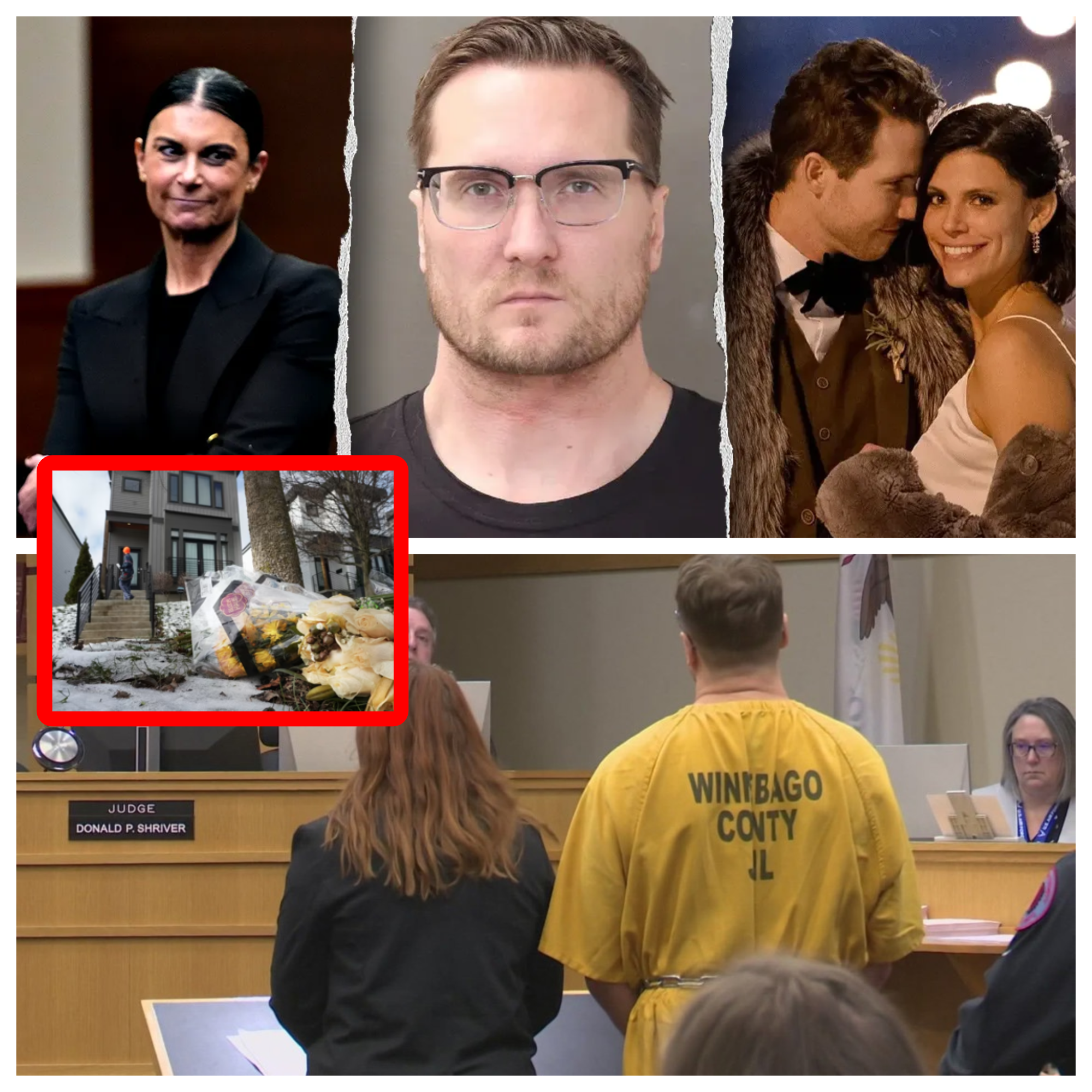
Monique Tepe lived with a shadow of fear for years, confiding in family that her ex-husband, Michael David McKee, had threatened to kill her “many times” during and after their brief marriage. Those alleged warnings, shared privately with loved ones, resurfaced tragically when McKee was charged with the premeditated murders of Monique, 39, and her husband Spencer Tepe, 37, in their Columbus, Ohio home on December 30, 2025. The couple was found shot to death upstairs, their two young children—a 1-year-old and a 4-year-old—unharmed but crying in the house. Police described the killings as a targeted, domestic violence-related attack, with no signs of forced entry or theft.
McKee, a 39-year-old vascular surgeon licensed in Illinois and practicing in Rockford, was arrested on January 10, 2026, at a Chick-fil-A near his medical office after authorities tracked his vehicle through neighborhood surveillance footage. The video captured a car arriving at the Tepe residence shortly before the estimated time of the shootings (between 2 a.m. and 5 a.m.) and departing soon after. Federal agents from the Bureau of Alcohol, Tobacco, Firearms and Explosives took him into custody, and he was held in Winnebago County Jail before waiving extradition. He was transferred to Franklin County Jail in Ohio on January 20 and appeared remotely for arraignment on January 23, where his attorney entered not guilty pleas to four counts of aggravated murder (two for premeditation, two for committing during aggravated burglary) and one count of aggravated burglary. Prosecutors allege he used a firearm with a suppressor, and a search of his property recovered multiple weapons, including one preliminarily linked to the crime.
Monique and McKee met at Ohio State University, marrying in 2015. They relocated to Virginia for his medical residency, but the union lasted only seven to eight months before separating, with Monique returning to Ohio. The divorce finalized in 2017 was uncontested in major aspects, with no children together and no public records of major disputes at the time. Family members later described McKee as “very emotionally abusive,” claiming the experience “changed her as a person.” Rob Misleh, married to Spencer’s sister, told media that Monique was “terrified” and “willing to do anything to get away from him.” She reportedly shared stories of repeated death threats during the marriage, though no police reports of physical abuse or recent threats surfaced before the killings.
After the divorce, Monique rebuilt her life. She married Spencer Tepe in December 2020, and they welcomed two children. Spencer, a respected dentist, was known for his generosity, fluency in Spanish, and involvement with Big Brothers Big Sisters. Friends and family remembered the couple as “the life of the party,” full of love and kindness. Monique, described as strong and vibrant, had moved forward, but the past lingered in private conversations. Family said she confided about the threats, though they were unaware of any escalation until the murders.
The attack unfolded in the Weinland Park neighborhood near downtown Columbus. A coworker’s welfare check prompted police response after Spencer failed to appear at work—an unusual occurrence. Officers discovered the bodies and secured the children and family dog. Surveillance from the area proved crucial: footage showed a person of interest in a dark alley near the home, later linked to McKee’s vehicle. Police Chief Elaine Bryant stated investigators believed McKee was responsible, calling it an active investigation focused on justice without compromising the case.
McKee’s professional life contrasted sharply with the allegations. A graduate of Ohio State’s College of Medicine (honor roll), he obtained his Ohio medical license in 2014 and later practiced in Illinois starting October 2024. He purchased a Chicago penthouse in 2025, suggesting stability. Neighbors in Illinois expressed shock, one describing casual poolside chats with a man now accused of such violence. His public defender in Illinois initially indicated not guilty pleas, and in Ohio, attorney Diane Menashe waived bond requests for the brief hearing.
The case highlights domestic violence patterns: alleged long-term threats culminating in tragedy years later. Monique’s family expressed confidence in the arrest, thanking law enforcement for swift action. They released statements emphasizing justice for Monique and Spencer while grieving privately. The children, unharmed physically, face unimaginable loss. Community tributes poured in, with memorials of flowers outside the home and celebrations of life planned.
Prosecutors upgraded charges quickly to aggravated premeditated murder, carrying potential life without parole or death penalty in Ohio. A motive remains unconfirmed publicly, but family and police point to the history of control and threats. Misleh noted Monique’s strength in escaping, yet the fear persisted. Friends described McKee’s alleged reaction to her new happiness as destructive to his “fragile ego,” though unproven.
As McKee awaits trial, the story serves as a stark reminder of hidden dangers in past relationships. Monique’s alleged warnings, once private, now underscore the importance of heeding threats and supporting survivors. The Tepe family’s pain is compounded by the proximity of the children to the horror, yet their resilience shines through tributes to a couple who loved fiercely. The investigation continues, but the arrest brought initial closure—though nothing can restore what was lost.