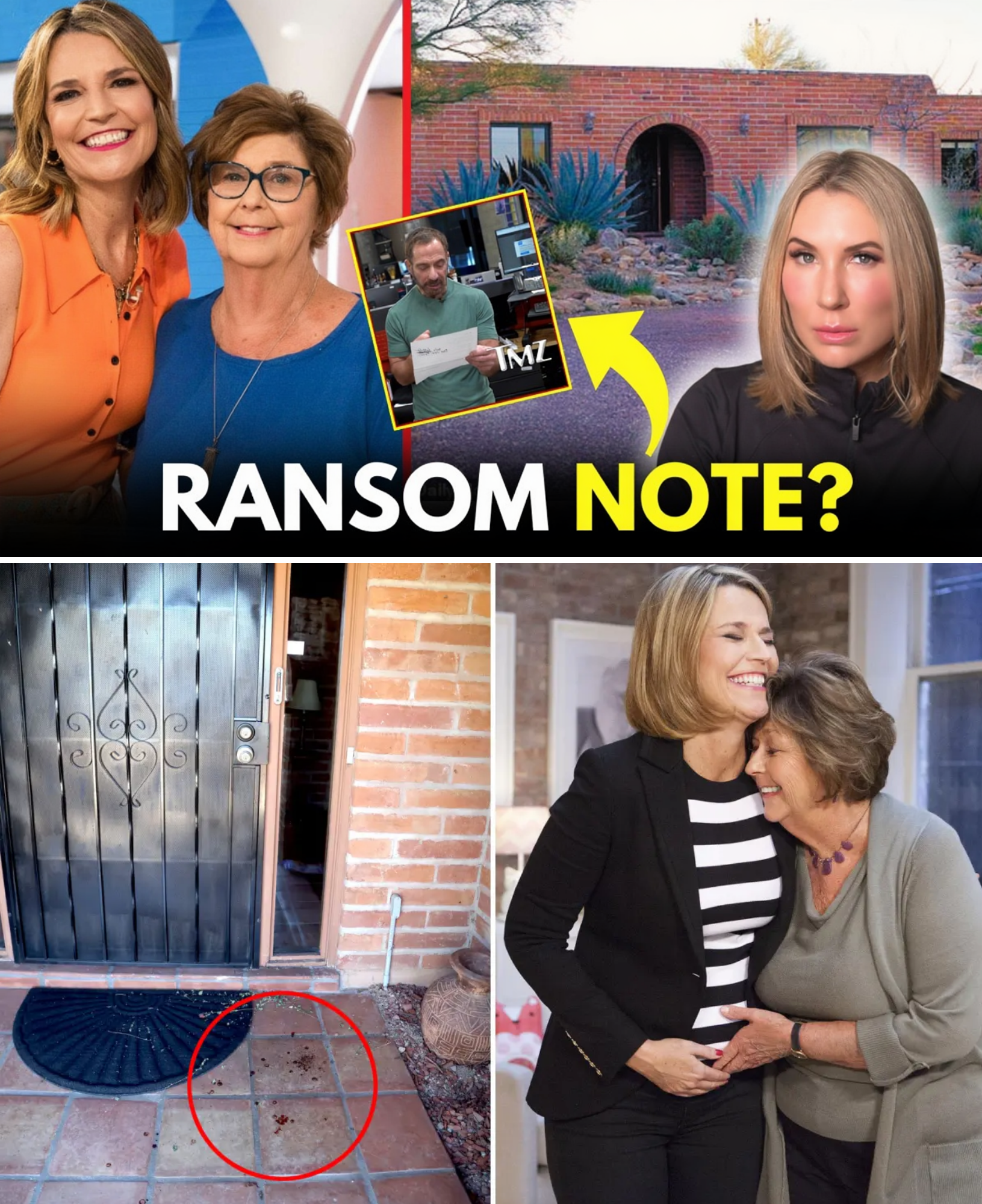
The abduction of Nancy Guthrie from her Catalina Foothills home has left investigators and the public grappling with a lack of clear motive, fueling one of the most plausible yet unsettling hypotheses: that the 84-year-old was not the intended target but became collateral in a botched home invasion. Nestled in an affluent, sparsely populated area six miles northeast of Tucson, Arizona, the neighborhood features large properties with significant privacy—dense desert vegetation, long driveways, and minimal street lighting—conditions that can facilitate errors in target selection during nighttime operations.
Nancy vanished sometime after 9:30–9:45 p.m. on Saturday, January 31, 2026, when her daughter Annie Guthrie and son-in-law Tommaso Cioni dropped her off following a family dinner. She missed her regular Sunday church service, triggering a welfare check that led deputies to a disturbed crime scene around noon on February 1. Signs included forced entry at the front door, small but visible drops of blood trailing toward the driveway, indications of a struggle, and evidence suggesting Nancy was removed against her will—possibly dragged. Her pacemaker ceased syncing with her Apple Watch at 2:22 a.m., marking the probable moment she was taken beyond the home’s Bluetooth range while asleep. Her limited mobility—she could not walk far without assistance—and dependence on daily heart medications made voluntary departure impossible.
Pima County Sheriff Chris Nanos has described the scene as consistent with a violent intrusion, yet no major items were reported stolen despite the affluent setting. Jewelry, electronics, cash, or valuables remained largely untouched, which deviates from typical burglary patterns where quick grabs of high-value portable goods are common. This anomaly has led former FBI agents and criminologists appearing on national outlets to propose the “wrong target” scenario: intruders, possibly scouting for a wealthier or more vulnerable residence nearby, entered the wrong home and encountered Nancy unexpectedly.
Catalina Foothills is known for its luxury estates, some valued in the millions, with residents including retirees, professionals, and occasional high-net-worth individuals. The area’s layout—curving roads, gated entries on some properties, and significant spacing between homes—can confuse even those with prior reconnaissance, especially at night. A mistaken address, misread house number in low light, or confusion over similar-looking properties could lead to an erroneous breach. Upon realizing the error or facing an alert homeowner, perpetrators might have decided to take Nancy to prevent her from identifying them or calling for help, turning a potential robbery into a kidnapping.
The blood evidence supports this possibility. Described as small drops rather than pools, it suggests injury during resistance or movement—perhaps a fall, blow, or scrape while being forcibly removed—without lethal intent at the scene. The trail leading outward implies she was carried or dragged to a waiting vehicle, consistent with someone improvising after an unplanned encounter. The swift, quiet nature of the act—no loud disturbances reported by neighbors despite the late hour—aligns with professionals or semi-professionals who prefer minimal noise but were forced to adapt when the situation escalated.
Security camera issues further complicate the picture. At least one Ring doorbell camera near the entrance was missing by the time deputies arrived, with an empty mounting bracket visible in news footage. Whether removed by intruders to avoid footage or already non-functional is under review, but the absence of captured video from the property itself has pushed investigators to rely on neighboring cameras, traffic systems, and license plate readers. Former profilers note that in mistaken-identity burglaries, perpetrators often disable obvious surveillance upon entry, only to realize too late that the occupant is elderly and medically fragile.
The FBI’s involvement has expanded forensic capabilities, including analysis of digital traces, cell tower pings, and potential DNA from the blood drops. Hundreds of tips continue to flow through the 1-800-CALL-FBI line, though Sheriff Nanos has urged the public to avoid speculation that could taint leads. No suspects or persons of interest have been named publicly as of February 5, 2026, and family members—including Savannah Guthrie, Annie, and Camron—have cooperated fully, with officials dismissing baseless online accusations against relatives.
Complicating matters are the multiple alleged ransom notes demanding Bitcoin payments, sent to media outlets like TMZ and local stations rather than privately. Some contained non-public details about Nancy’s attire or home layout, raising questions about authenticity. Authorities are treating them seriously but have not ruled out hoaxes or third-party exploitation designed to confuse the investigation or capitalize on the publicity. The public nature of the demands contrasts with typical kidnap-for-ransom protocols, where discretion maximizes leverage and traceability.
Savannah Guthrie and her siblings released an emotional Instagram video on February 4, pleading directly to any captor: “We need absolute proof that she is alive and in your custody… We are ready to talk.” Savannah’s voice cracked while emphasizing Nancy’s urgent medical needs—without her pacemaker-supported medications, her condition could deteriorate fatally within days. The plea highlighted the family’s desperation amid swirling theories, including the possibility that Nancy was simply in the wrong place at the wrong time.
Searches have intensified across the rugged desert terrain surrounding Catalina Foothills. Teams using drones, K-9 units, infrared-equipped helicopters, ground-penetrating radar, and hundreds of volunteers have covered miles without significant finds. The natural cover—cacti, palo verde trees, mesquite bushes—provides ample hiding spots and complicates visibility, even with advanced technology. President Trump has pledged federal resources, directing agencies to assist after direct communication with Savannah, underscoring the case’s high profile.
Criminologists point to precedents: cases where burglars or home invaders mistakenly enter an unintended residence and escalate to abduction to eliminate witnesses. Elderly victims are particularly at risk in such scenarios due to limited physical resistance and higher likelihood of medical complications. The absence of a clear financial motive—no ransoms successfully delivered, no demands met—supports the idea that the kidnapping was reactive rather than premeditated for profit.
As the investigation presses forward, the wrong-target hypothesis offers a grim but logical explanation for the otherwise motiveless crime. In a neighborhood where wealth attracts opportunists, a simple navigation error could have tragic consequences. Every passing hour heightens concern for Nancy’s survival, turning what might have been a foiled heist into a desperate search for an unintended victim. The truth, when uncovered, may reveal that the deepest horror was not intent, but accident—and the irreversible cost of a single mistaken door.