Wife’s Deadly Cocktail: Kouri Richins Convicted of Poisoning Eric Richins with Lethal Fentanyl Dose.
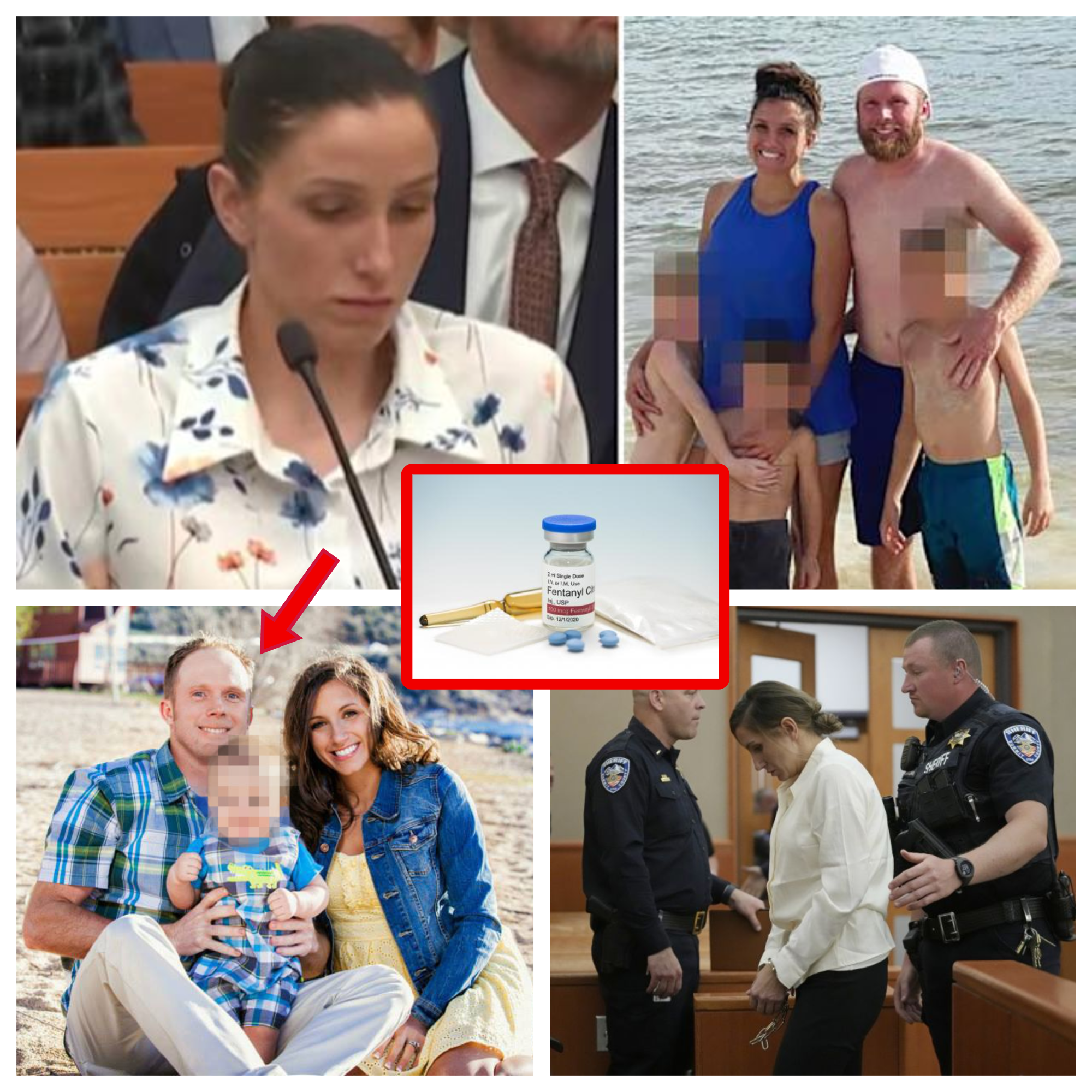
Kouri Richins, a 35-year-old Utah mother of three and self-published children’s book author, was convicted on March 16, 2026, of aggravated murder in the death of her husband, Eric Richins. The Summit County jury deliberated for approximately three hours before finding her guilty on all counts, including aggravated murder, attempted aggravated murder, insurance fraud, and forgery. The verdict capped a high-profile trial that drew national attention due to Richins’ book on grief and the shocking allegations that she poisoned her husband with fentanyl to collect insurance money and inherit his estate.
Eric Richins, 39, died on March 4, 2022, at the couple’s home in Kamas, Utah, near the affluent ski resort town of Park City. The couple had been celebrating a real estate deal earlier that evening. Kouri prepared Moscow mule cocktails for them both. Eric drank his, went to bed, and was found unresponsive and cold to the touch hours later. Emergency responders arrived, but he was pronounced dead at the scene. An autopsy revealed approximately five times the lethal dose of fentanyl in his system, along with its metabolites, with no evidence of prior drug use or prescription opioids. The medical examiner ruled the death a homicide by fentanyl overdose.
Prosecutors presented evidence that Kouri had attempted to kill Eric weeks earlier on Valentine’s Day 2022. She allegedly laced a sandwich with fentanyl, causing him to break out in hives, experience severe allergic-like symptoms, and black out. Eric survived that incident but grew suspicious, confiding in family members about his concerns. The state argued Kouri’s motive was financial desperation—she had accumulated millions in debt through extravagant spending, real estate ventures, and lifestyle choices that exceeded their means. Eric had substantial life insurance policies and assets that Kouri stood to inherit or claim.
Key testimony came from a woman who sold Kouri fentanyl on multiple occasions. The witness described Richins requesting the “Michael Jackson drug”—street slang for fentanyl—and complaining that earlier doses were “not strong enough.” Prosecutors showed text messages and financial records linking Kouri to these purchases. They also highlighted her behavior after Eric’s death: she quickly self-published a children’s book titled “Are You With Me?” to help her sons cope with grief, while simultaneously pursuing insurance claims and attempting to sell the family home.
Defense attorneys maintained Kouri’s innocence, arguing prosecutors failed to prove intent beyond reasonable doubt. They suggested Eric may have accessed drugs independently or that contamination occurred accidentally. Cross-examinations focused on the absence of fentanyl residue on physical evidence like glassware and the possibility of self-administration. However, the jury rejected these theories, finding the pattern of attempts, financial motive, and direct sourcing of fentanyl compelling.
The trial featured over 40 witnesses, including toxicologists, forensic experts, family members, and financial analysts. Prosecutors painted Kouri as calculating, pointing to her opening secret life insurance policies on Eric without his knowledge and her alleged efforts to portray herself as a grieving widow. The children’s book became a focal point—prosecutors called it exploitative, using her sons’ pain to craft a sympathetic public image while pursuing financial gain.
After the verdict, Eric’s family expressed relief and gratitude. They hugged in the courtroom, with statements describing Eric as deeply loved and missed. Kouri showed little visible emotion, bowing her head as the guilty verdicts were read. She faces life in prison without parole on the aggravated murder charge. Sentencing is scheduled for May 13, 2026—the same date as Eric’s birthday.
The case highlights the dangers of fentanyl, a synthetic opioid far more potent than heroin or morphine. Even tiny amounts can be lethal, and illicit street versions often contain unpredictable concentrations. Eric had no history of opioid use, making the overdose ruling particularly stark. The conviction also raises questions about insurance fraud in domestic violence-related deaths and the ethics of profiting from tragedy through media or publishing.
Kouri’s story began as a seemingly idyllic suburban life—real estate success, beautiful home, three young sons. It unraveled into allegations of deception, addiction to luxury, and ultimately murder. The jury’s decision closed a chapter that shocked Utah and the nation, underscoring how financial pressure and opportunity can intersect with tragedy in devastating ways.
As Kouri awaits sentencing, Eric’s loved ones focus on healing and remembering him as the devoted father and husband he was. The case serves as a grim reminder of hidden dangers in relationships and the importance of vigilance around prescription and illicit drugs. For many, the most haunting aspect remains the image of a celebratory cocktail turned fatal—ordinary moments twisted into irreversible loss.