Why Did She Kill Two Daughters but Spare the Third? The Disturbing Aaliyah Henderson Case Unraveled.
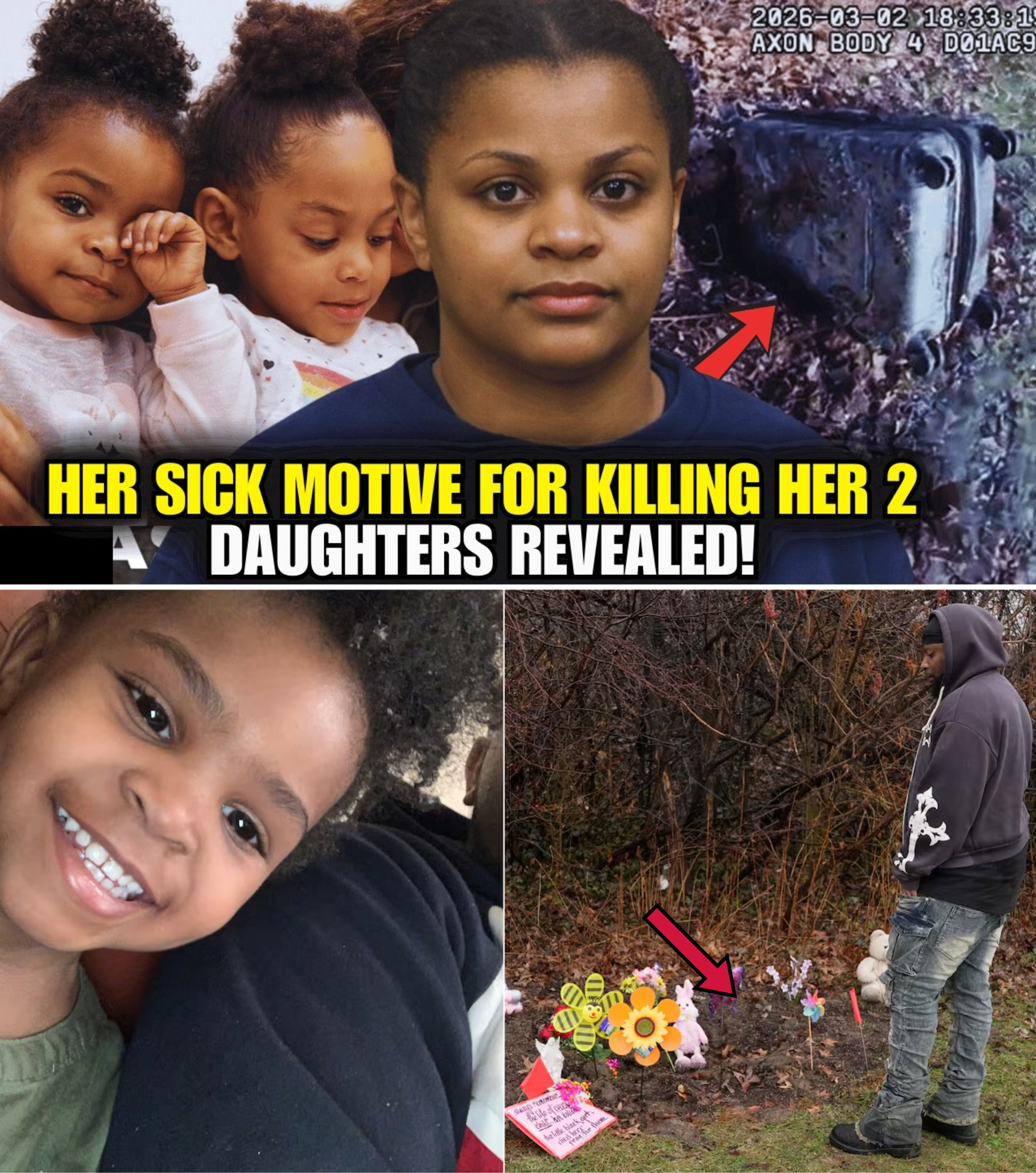
A quiet neighborhood in Cleveland’s South Collinwood area became the epicenter of national horror in early 2026 when authorities made a gruesome discovery: two small suitcases buried just 25 feet apart in an abandoned baseball field adjacent to a local school. Inside were the badly decomposed remains of two young sisters—Amore Wilson, age 10, and Mila Chapman, age 8. The person charged in their deaths was their own mother, 28-year-old Aaliyah Henderson.
What elevates this tragedy from tragic to utterly incomprehensible is the stark contrast found inside Henderson’s nearby home. A third child—younger than the deceased girls—was discovered alive, appearing well-cared-for and without visible signs of neglect or injury. Child protective services immediately took custody of the surviving child while investigators tried to piece together how a mother could allegedly end the lives of two daughters yet continue raising another under the same roof.
Aaliyah Henderson, formerly known as Aliyah Brick before a legal name change in 2017, had no documented prior criminal history or reported episodes of violence. Public records show the family had faced eviction proceedings as far back as 2022, with both Amore and Mila listed on the lease, confirming they were alive and part of the household at that time. The girls were homeschooled, a detail that later drew intense scrutiny because it effectively removed them from routine oversight by teachers, counselors, or mandatory reporters who might have noticed signs of distress.
The fathers of the children had spent years sounding alarms. Deshawn Chapman, father of Mila, described his daughter as his “princess” who loved everything pink. He told reporters he had fought for custody for five to six years through family courts, child protective services, and repeated requests for welfare checks. Each time, authorities concluded there was insufficient evidence of imminent danger to justify removal. Similar frustrations echoed from Amore’s father, who expressed profound grief and anger over being denied meaningful access despite persistent efforts.
A neighbor had previously contacted child services about concerning behavior—erratic actions, children rarely seen playing outside, and an overall atmosphere of isolation. Those reports, like so many others, failed to trigger decisive intervention. Only after an unrelated investigation led police to execute a search warrant at Henderson’s residence did the full picture begin to emerge. Inside the home, investigators reportedly found substantial physical evidence linking Henderson to the burials. The medical examiner has sealed the exact cause of death pending further proceedings, and the timeline remains imprecise, though decomposition suggested the girls had been deceased for some period before discovery.
Henderson now faces two counts of aggravated murder and one count of child endangering. She is being held on a $2 million bond, and prosecutors have not ruled out pursuing capital specifications that could make her eligible for the death penalty. As of mid-March 2026, the case remains in pre-trial stages with no trial date set and no public psychiatric evaluations released.
The central unanswered question haunts everyone who follows the story: why would a mother allegedly kill two children but preserve the life of a third? Without an official motive from investigators or prosecutors, speculation fills the void. Some criminologists point toward differential parental bonding—cases where one child becomes the focus of pathological attachment while others are devalued or scapegoated. Others reference severe mental health crises, postpartum psychosis in delayed forms, or extreme stress compounded by financial and relational strain. A few darker theories circulate in true crime circles involving insurance policies, revenge against the fathers, or delusional beliefs about protecting only one child from perceived threats. None of these explanations have been confirmed, and authorities have remained tight-lipped to protect the integrity of the ongoing prosecution.
The case has ignited fierce debate about systemic blind spots in child welfare. Homeschooling, while a valid educational choice for many families, can inadvertently create invisibility when combined with other risk factors. Advocates argue that minimal check-ins—perhaps annual assessments or required interaction with qualified educators—could have provided an extra layer of protection without infringing on parental rights. Critics of child protective services highlight how high evidentiary thresholds and overburdened caseworkers sometimes allow dangerous situations to persist until tragedy strikes. Fathers’ rights groups have seized on the story to argue that non-custodial parents are routinely dismissed even when they present credible concerns.
Community response has been one of profound grief mixed with outrage. Vigils have been held near the field where the suitcases were found, with pink balloons and teddy bears placed in memory of Mila and drawings honoring Amore’s bright personality. Online discussions in true crime forums and social media explode with emotion—parents sharing how the story triggers fears about their own children’s safety, others demanding accountability from every agency that had contact with the family over the years.
For the surviving child, the road ahead will be unimaginably difficult. Removed from the only caregiver she has known, the youngster now faces trauma-informed therapy, potential long-term foster or adoptive placement, and the lifelong shadow of losing two older sisters to violence allegedly committed by their mother. Child psychologists stress that early, consistent support will be essential to help process the betrayal and grief.
As legal proceedings continue, the Aaliyah Henderson case stands as a grim reminder of how darkness can hide behind closed doors. Two little girls who should have been protected lost their lives in circumstances that may never be fully explained. One child remains, carrying memories no one should ever have to bear. And an entire community—along with a nation watching—continues asking the same heartbreaking question: how could this happen, and how can we stop it from happening again?