Why Annie and Tommaso Have Vanished from Public View: The Heavy Toll of Speculation in the Nancy Guthrie Case.
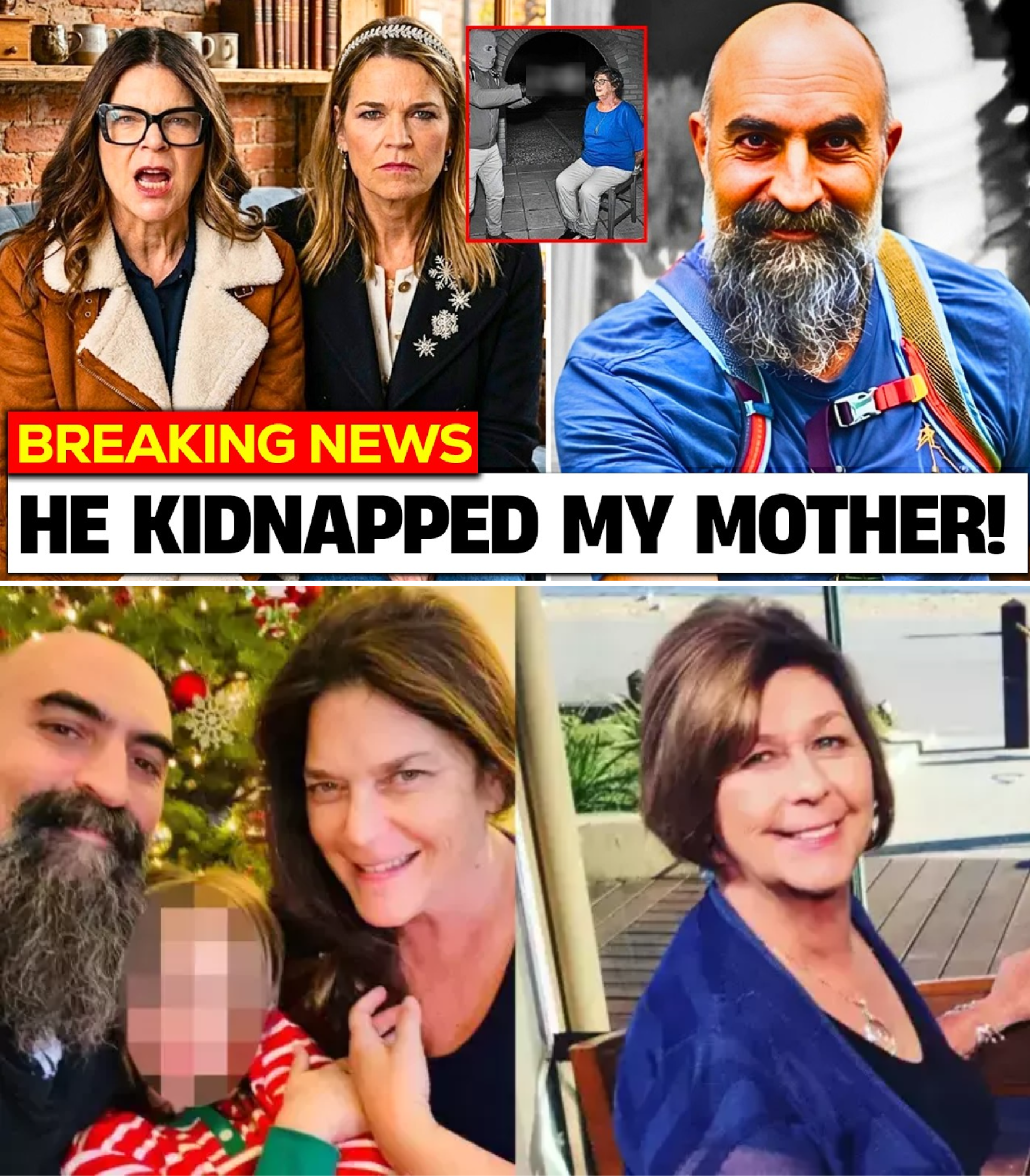
In the months since 84-year-old Nancy Guthrie was abducted from her Tucson home in the early hours of February 1, 2026, one aspect of the case has puzzled and frustrated the public almost as much as the lack of arrests: the complete silence from her daughter Annie Guthrie and son-in-law Tommaso Cioni. The couple, who live locally and were among the last to have contact with Nancy, have issued no public statements, given no interviews, and largely withdrawn from view. A “No Trespassing” sign now stands outside their home, and they have avoided the spotlight as online speculation about their possible involvement continues to swirl.
Retired FBI agents and behavioral experts have weighed in on this notable absence. Former agent Jennifer Coffindaffer suggested their low profile stems from “obvious concern over ridicule and accusations.” Being thrust into the center of a high-profile missing person case — especially one involving a family member — brings intense public scrutiny. Every word, expression, or lack of visible emotion is dissected online. For Annie and Tommaso, this pressure appears to have become overwhelming.
The couple’s connection to the case is undeniable. Tommaso, a bassist in the local band Early Black, was reportedly one of the last people to see Nancy alive. Their home and vehicles were searched early in the investigation, and Annie’s car reportedly remains impounded as potential evidence. Despite this, law enforcement has not named either as a suspect. Brian Entin, who has covered the case extensively, has stated he has seen no evidence directly linking them to Nancy’s disappearance, though he has been unsuccessful in securing an interview.
Savannah Guthrie, Nancy’s other daughter and a prominent Today show co-anchor, has spoken emotionally about the toll on the family. The public nature of the tragedy has compounded their private grief. Annie and Tommaso, as everyday people suddenly under a microscope, face a different kind of pressure than public figures. Their decision to “lay low” is seen by some as suspicious, while behavioral analysts view it as a natural response to trauma mixed with online harassment.
The couple has taken concrete steps to shield themselves. The trespassing sign on their property sends a clear message: they want distance from cameras, amateur sleuths, and uninvited visitors. Reports indicate they have avoided band performances and public events, likely to minimize further exposure. Their child’s wellbeing is also a factor — shielding young family members from the spotlight during such a crisis is a common priority.
This silence has not quieted the rumors. Some true crime commentators argue the lack of public appeals for information is unusual for close family members. Others counter that law enforcement has cleared them of direct involvement, and their withdrawal is simply self-preservation. The investigation itself remains active, with advanced DNA processing at Quantico and multi-site searches continuing. No arrests have been made, and authorities have been careful not to publicly implicate family members.
The Nancy Guthrie case highlights broader issues in modern true crime coverage. While public interest can help generate tips, it can also destroy lives through unproven accusations. Annie and Tommaso are navigating grief under the harshest possible conditions — not just losing a mother and mother-in-law, but doing so while being cast as potential villains in a digital courtroom. Mental health experts warn that this dual burden (mourning + defending) can lead to isolation, anxiety, and long-term trauma.
As the search for Nancy enters its fourth month, the family’s fractured dynamic is on full display. Savannah has shared glimpses of the pain, but Annie and Tommaso remain behind closed doors. Whether their silence protects them or fuels more suspicion remains to be seen. In high-profile cases like this, the court of public opinion often moves faster — and more harshly — than the actual legal process.
For now, the couple’s withdrawal appears to be a survival strategy amid unrelenting pressure. The ultimate betrayal, many observers note, may not be whatever happened to Nancy, but the way unverified theories have torn apart a grieving family. As investigators continue their work, Annie and Tommaso’s continued silence serves as a stark reminder of how a single tragedy can ripple outward, testing relationships, reputations, and resilience in ways few outsiders can truly understand.
The public continues to demand answers for Nancy. But for her closest family members, the answers may come at an unbearable personal cost. In the quiet absence of Annie and Tommaso, one thing is clear: the real cost of this case extends far beyond the headlines.