“Walk the Dog” Letter and Ex’s Testimony Seal Kouri Richins’ Fate: Prosecutor’s Explosive Closing Argument.
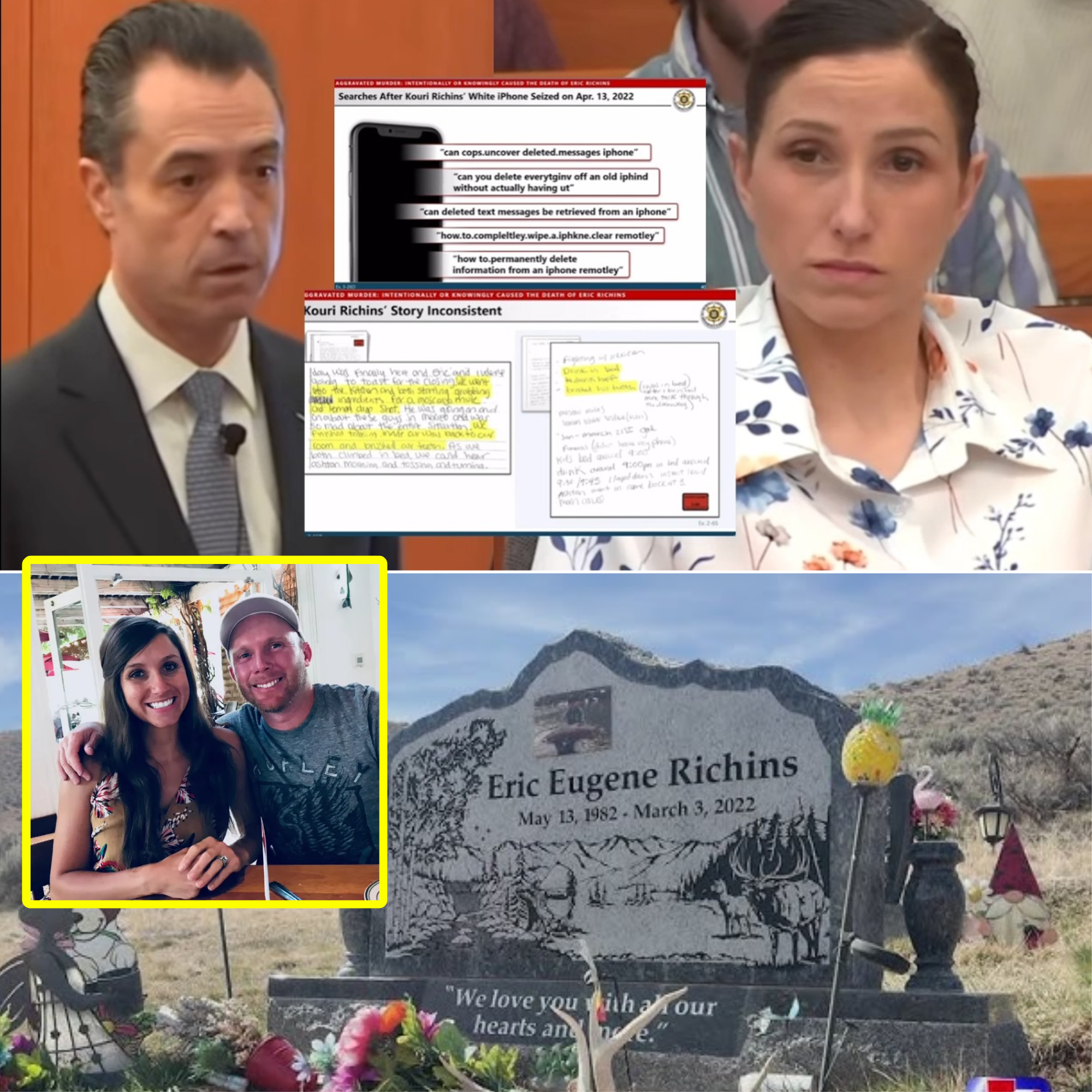
Prosecutor Brad Bloodworth delivered a devastating closing argument in the murder trial of Kouri Richins on March 16, 2026, laying out a compelling case that painted the defendant as a calculating killer who poisoned her husband Eric with fentanyl and then scrambled to cover her tracks. The argument, presented in a Park City courtroom, focused on damning pieces of evidence including a jailhouse letter, testimony from Richins’ ex-boyfriend, deleted messages, suspicious phone searches, and proof that Eric’s death was no accident or suicide.
Bloodworth began by spotlighting a letter Richins wrote to her mother from jail four months after her arrest—roughly a year and a half after Eric’s death on March 4, 2022. In what prosecutors dubbed the “walk the dog” letter, Richins attempted to explain her purchase of fentanyl by claiming it was for a cover story involving Eric’s trips to Mexico. The letter suggested she planned to say she bought the drug to help “walk the dog” or some innocuous excuse, but Bloodworth argued this showed clear consciousness of guilt. “Kouri Richins knows four months after she’s been arrested for Eric Richins’ murder… she knows that she bought fentanyl, and she has to explain it,” he told jurors. The letter was read aloud in court by Detective Jeff O’Driscoll, underscoring how Richins was still crafting alibis long after the crime.
The prosecutor then turned to testimony from Richins’ ex-boyfriend, Josh Grossman. Grossman recounted a conversation where Richins asked him point-blank if he had ever killed anyone and how it made him feel. Bloodworth emphasized the specificity: “Not, ‘Have you ever lost a loved one?’ Not, ‘Have you ever walked in and found a dead body unexpectedly?’ Not, ‘How do you respond to a tragic and horrible accident?’ It is… have you killed?” He argued this question revealed Richins grappling with her own actions, seeking validation or coping mechanisms from someone who had killed in military service. The prosecutor called it “highly selfish,” noting Richins prioritized processing her feelings about killing over Grossman’s trauma.
Bloodworth highlighted inconsistencies in Richins’ stories, pointing to notes in an orange notebook that changed over retellings—a common sign of fabrication. He also stressed deleted text messages: none of the incriminating exchanges were recovered from Richins’ phone, only from Eric’s, friends’, and Grossman’s devices. “That is part of her cover-up,” he asserted, suggesting deliberate deletion to hide communications about the crime.
Phone searches further betrayed Richins’ mindset post-death. Records showed queries about lie detector tests, investigations by the prosecutor’s office, seized electronics, prison conditions, and life insurance payouts. Bloodworth connected these to her financial motives: nearly $5 million in debts, changes to Eric’s life insurance policies benefiting her, a secret home equity line of credit, and an ongoing affair. He argued these pressures drove her to murder for money.
Central to the case was proving intent and ruling out suicide or accidental overdose. Bloodworth insisted Eric Richins did not use illicit drugs—no history of abuse beyond occasional THC. Toxicology revealed fentanyl levels far exceeding accidental exposure, administered lethally in a Moscow Mule cocktail prosecutors say Richins prepared. Prior attempts were cited, including an alleged Valentine’s Day 2022 poisoning via a tainted sandwich that left Eric ill.
The defense maintained Eric died by suicide or accidental overdose, claiming family pressure influenced the investigation. But Bloodworth dismantled this, noting no evidence supported self-harm or drug use. He portrayed Richins as methodical: poisoning her husband, writing a suspiciously timed children’s book “Are You With Me?” about grief (featuring her family), and attempting to spin narratives afterward.
The closing tied everything together: the letter showed post-arrest damage control; Grossman’s testimony revealed inner turmoil; deletions and searches indicated cover-up; financial desperation provided motive. Bloodworth urged jurors to see beyond grief to calculated intent.
The trial captivated national attention due to the bizarre elements—a grieving widow authoring a children’s book on loss shortly after her husband’s death, only to face murder charges. Eric, 39, was found unresponsive in their Kamas home; Kouri, then 33, called 911 claiming he was cold and not breathing. Body cam footage from that night showed her distress, but prosecutors argued behavioral cues—like reactions to autopsy mentions—hinted at guilt.
As closings wrapped, the jury deliberated less than three hours before returning a guilty verdict on March 17, 2026. Richins now faces life without parole for first-degree murder, plus additional charges from alleged prior attempts. Eric’s family expressed relief mixed with sorrow, hoping for justice after years of suspicion.
This case highlights red flags in domestic tragedies: financial secrets, behavioral inconsistencies, and eerily timed actions like the book. Bloodworth’s argument proved persuasive, turning circumstantial evidence into a narrative of premeditated murder for gain. The “walk the dog” letter and ex-boyfriend’s words became the final nails, sealing Kouri Richins’ conviction in a case blending poison, profit, and a chilling children’s story.