You’ve probably never heard of Canada’s biggest medical disaster. That’s exactly how the government wanted it.
Between 1978 and 1985, roughly 30,000 Canadians were infected with HIV and hepatitis C through the very blood products that were supposed to save their lives. Over 3,000 died. Hemophiliacs (many of them children) were the hardest hit. A single tainted batch could doom an entire generation of patients who needed regular injections just to survive.
The eight-part miniseries Unspeakable (2019), now streaming quietly on Netflix in several regions, doesn’t scream for attention like most true-crime hits. It doesn’t need to. Once you start the first episode, you won’t stop until the credits roll on the finale, because what happened is so outrageous it feels like dystopian fiction, except every word is documented.
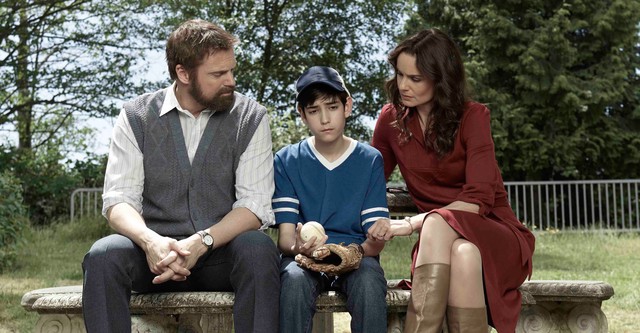
The story begins innocently enough: a loving father named Will Sanders (played with gut-wrenching restraint by Shawn Doyle) watches his hemophiliac son Ben receive the miracle drug Factor VIII, a concentrated clotting agent made from pooled plasma donated by tens of thousands of people. In the early 80s, one vial could contain plasma from up to 40,000 donors. All it took was one infected donor (one) for the entire batch to become lethal.
And infected donors there were, in horrifying numbers.
The Canadian Red Cross, which controlled blood collection at the time, paid plasma donors in sketchy downtown centers. Many were intravenous drug users, sex workers, and prison inmates, populations already ravaged by HIV and hepatitis C long before the viruses even had names. The Red Cross knew the risks. Internal memos (later revealed in court) show staff joking that they were collecting “skid row” blood. They kept paying donors cash anyway. Profits were too good.
Meanwhile, the Bureau of Biologics, Canada’s supposed watchdog, was chronically underfunded and terrified of rocking the boat. When heat-inactivation methods that could kill HIV in blood products became available in 1983, regulators dragged their feet. Why? Because admitting the blood supply wasn’t safe would collapse public trust. Better to let people die quietly than admit failure.
The miniseries follows two parallel tracks that eventually collide in one of the most infuriating courtroom sequences ever filmed.
On one side are the families: Will and his wife Margaret (Camille Sullivan) watching their bright, hockey-loving son waste away from AIDS at age twelve. On the other are the insiders who knew the truth and stayed silent, Dr. Michael Rekert (a fictionalized stand-in for real whistleblowers) risks everything to smuggle documents proving the Red Cross and Health Canada ignored warnings as early as 1982.
The performances are devastating because the actors never go big. There’s no melodramatic sobbing, no slow-motion deathbed scenes. Just quiet, ordinary Canadian politeness masking unimaginable rage and grief. When a mother finally screams at a government official, “You murdered my child for paperwork,” you feel the decades of suppressed fury explode.
What makes Unspeakable different from other medical scandals (think Theranos or the opioid crisis) is how utterly preventable it was, and how shamelessly everyone covered it up afterward.

In the U.S., the FDA ordered all paid plasma for Factor VIII destroyed in 1983. Canada waited two more years. When the Krever Inquiry finally exposed the full extent in 1997, the Red Cross pleaded poverty and begged not to be held liable. Victims were offered a compensation package widely criticized as insultingly low (average $30,000 per infected person after legal fees). Many died before seeing a cent.
The series ends with real footage of Justice Horace Krever reading his findings. He doesn’t shout. He simply states: “This tragedy was entirely avoidable. It should never have happened, and it must never be allowed to happen again.”
Yet here’s the part that will keep you up at night: almost none of the senior decision-makers ever faced criminal charges. The Red Cross lost its blood-collection mandate, rebranded, and moved on. Some of the same bureaucrats quietly retired with pensions.
Unspeakable was made in Canada, by Canadians, and originally aired on CBC, which explains why it never became a global phenomenon like Chernobyl. There was no appetite for international humiliation. Even the title feels like a dare: say the word “tainted blood” in polite company and watch people change the subject.
But the miniseries refuses to let Canada look away. Every frame is a reminder that the same institutions we trust with our lives can betray us on a scale that makes serial killers look amateur, and then negotiate the apology.
If you only watch one forgotten masterpiece this year, make it this one. Just don’t expect to feel patriotic afterward.