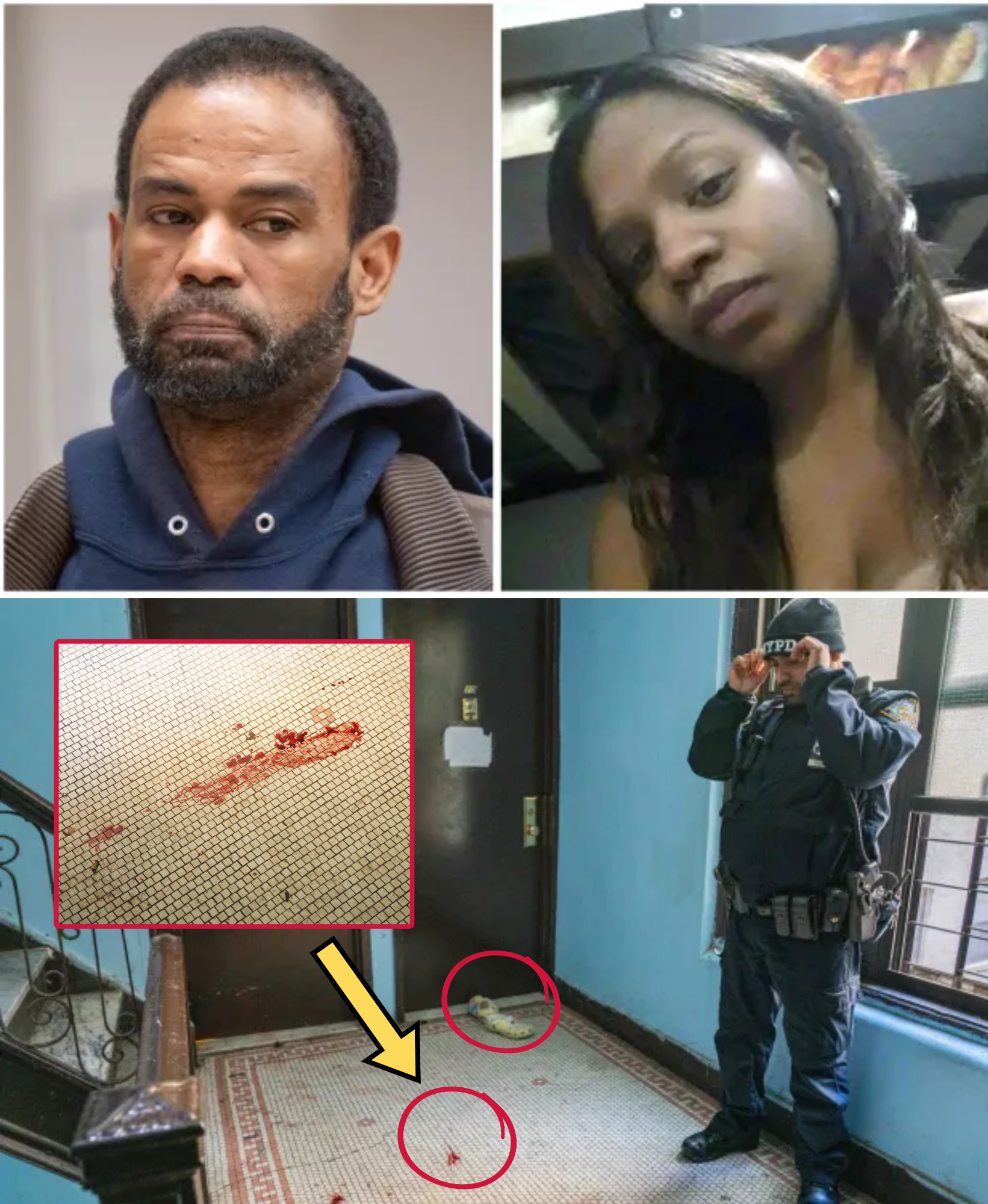
Early on the morning of February 28, 2026, residents of 956 Sherman Avenue in the Highbridge section of the Bronx were jolted awake by sounds no one should ever hear in their own building. Around 6:30 a.m., 45-year-old Juan Rivas allegedly armed himself with a kitchen knife and attacked his live-in girlfriend, 42-year-old Yesenia Hall, inside their third-floor apartment. The assault was ferocious and unrelenting—Hall suffered multiple deep stab wounds to her neck, chest, torso, back, and abdomen, injuries that proved fatal within minutes.
The couple’s 16-year-old son, sleeping in another room, was roused by his mother’s terrified screams. He ran to her aid, attempting to physically intervene and shield her from further harm. In response, Rivas reportedly turned the blade on the teenager, stabbing him repeatedly in the neck, shoulder, cheek, and back. Despite massive blood loss and serious trauma, the boy survived the initial attack and was later stabilized at Lincoln Hospital. Medical staff report he is expected to make a full physical recovery, though the psychological scars from witnessing his mother’s murder will likely endure far longer.
One of the most haunting elements of the case comes from the testimony of a 17-year-old neighbor, Shantrice Diamond, who lives in the same building. She described being awakened by a loud thud, followed by Rivas’s angry shouts: “I’m gonna stab you!” Hall’s voice quickly followed—screaming in pain and desperation: “Stop! Stop!” She continued to beg, crying out, “I am gonna die, I am gonna die,” before the sounds of struggle and pleading abruptly ended. Diamond recalled the eerie shift: “And like two minutes later I heard nothing but silence.” That sudden, complete quiet after such intense cries left an unforgettable impression on everyone within earshot.
Moments after the stabbings, Rivas changed out of his blood-soaked clothing—some witnesses later described seeing him leave the building dressed in a construction worker’s high-visibility vest and hard hat—and fled the scene around 6:40 a.m. Police later recovered a single bloody knife from inside the apartment, along with extensive blood evidence: large pools on the floor, arterial spray patterns on the walls, and trails of blood extending into the hallway and down the stairwell.
The first alert came from another neighbor who noticed blood seeping from beneath the apartment door and immediately dialed 911. Officers assigned to the 44th Precinct arrived within minutes, forced entry, and discovered the gruesome aftermath. They provided immediate first aid to the wounded teenager while emergency medical services transported both victims. Yesenia Hall was pronounced dead shortly after arrival at a nearby hospital.
A wanted flyer featuring Rivas’s photograph was rapidly circulated throughout the neighborhood and online. Public tips led investigators to locate and arrest him without incident at approximately 2:30 p.m. the same day. On Sunday, March 1, Rivas appeared in Bronx Criminal Court, where he was charged with murder, attempted murder, manslaughter, assault, and criminal possession of a weapon. Judge Yadhira Gonzalez-Taylor denied bail, remanding him to Rikers Island pending further proceedings.
The domestic context of the crime has drawn renewed attention to patterns of intimate partner violence. Although no prior police reports involving the couple have been publicly confirmed, advocates note that many fatal attacks occur without documented previous incidents—escalation can happen suddenly when underlying tensions reach a breaking point. Prosecutors emphasized during arraignment that the level of violence, particularly the attack on a minor who tried to protect his mother, warranted the strongest possible response from the court.
Relatives of the victims have spoken publicly about the teenager’s bravery, describing how he “was trying to save his mom” by confronting the attacker head-on. Hall was remembered by family as a hardworking, devoted mother who prioritized her children above all else. An adult daughter living in a nearby apartment called 911 after hearing the disturbance but arrived too late to prevent the tragedy.
In the days following the attack, neighbors placed candles, flowers, and handwritten notes outside the building in tribute to Hall. The Highbridge community has been left reeling, grappling with questions of how such brutality could erupt so suddenly in a place residents once considered safe. The case has also prompted renewed calls for expanded domestic violence prevention programs, better access to emergency resources, and greater community education about recognizing warning signs and knowing when to intervene or call for help.
Forensic analysis of the crime scene, the recovered knife, and bloodstain patterns is expected to form a cornerstone of the prosecution’s case. Investigators continue examining possible motives, though none has been officially released. Meanwhile, support services have been offered to the surviving son and extended family as they navigate grief, trauma, and the long legal process ahead.
The “two minutes of silence” described by the young neighbor has become a haunting symbol of the moment life changed forever inside that Bronx apartment. It serves as a grim reminder that domestic violence can remain hidden until it explodes—often with irreversible consequences. As the Bronx community mourns Yesenia Hall, many hope her death will spur meaningful change in how society addresses and prevents such tragedies.