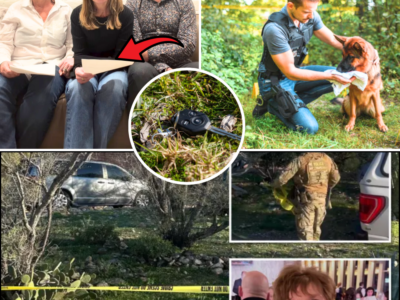
The disappearance of Nancy Guthrie, the 84-year-old mother of NBC “Today” show co-anchor Savannah Guthrie, has evolved from a baffling missing persons case into a chilling investigation laced with fears of targeted malice. Authorities in Pima County, Arizona, treat the incident as an abduction, with evidence pointing to a swift, nighttime removal from her secluded Catalina Foothills home between late Saturday, January 31, 2026, and early Sunday, February 1. Small amounts of blood near the entry, signs of forced entry, smashed security cameras, and the abrupt cutoff of Nancy’s pacemaker syncing at 2:22 a.m. paint a picture of calculated intrusion rather than random crime.
Nancy’s vulnerability amplified the horror: limited mobility requiring assistance beyond short distances, dependence on daily heart medications including a pacemaker, and a quiet routine that left her alone overnight after a family dinner. Dropped off around 9:30-9:45 p.m. by her daughter Annie and son-in-law Tommaso Cioni, she vanished without immediate alarm until she missed church the next morning. Family welfare checks led to the 911 call around noon Sunday, revealing the disturbed scene. Her Apple Watch, left behind, no longer connected; cellphone, wallet, cards, and vehicle missing but unused, suggesting deliberate isolation from tracking.
Amid hundreds of leads sifted by Pima County Sheriff’s deputies and FBI agents, one theory has surged in online discussions and some media reports: the involvement of a stalker or obsessed fan fixated on Savannah Guthrie’s celebrity status. Savannah, a prominent national news anchor known for her poised on-air presence and past political interviews, receives significant fan mail, unsolicited messages, and occasionally crosses into unsettling territory. Reports indicate investigators are probing “crazed fans” or “parasocial superfans” who “crossed the line,” with mentions of delusional letters, gifts, and communications that escalated beyond normal admiration.
Online forums like Reddit and X buzz with speculation that Nancy became the “weakest link” in a revenge plot against Savannah. True crime enthusiasts draw parallels to cases where public figures’ relatives suffer attacks to inflict maximum emotional damage—exploiting perceived vulnerabilities to force attention, notoriety, or retribution. One circulating claim references prior online harassment tied to Savannah, including an alleged stalker using AI or harassing women, prompting protective actions shortly before the abduction. Though unconfirmed by officials, such rumors fuel the narrative: a deranged individual, perhaps monitoring Savannah’s public life, identified her elderly mother as an accessible target in a quiet, affluent neighborhood ideal for low-visibility operations.
Sheriff Chris Nanos has acknowledged exploring all angles, including prior harassment or stalking, without ruling anything out. In briefings, he confirmed the case’s shift toward investigative focus—DNA analysis, video forensics from nearby sources, and tip prioritization—while air and ground searches taper. No suspects identified publicly as of February 5, 2026, but federal resources, including additional FBI personnel, bolster efforts. President Trump pledged support, directing agencies to assist, highlighting the case’s national resonance.
Multiple alleged ransom notes demanding Bitcoin—sent bizarrely to media like TMZ, local stations, and others rather than privately—add layers of intrigue. Some included non-public details about Nancy’s attire or home, lending credibility, yet their public dissemination suggests possible hoaxes, misdirection, or amateur attempts to exploit chaos. The Guthrie siblings—Savannah, Annie, and Camron—released an emotional Instagram video February 4, pleading for proof of life: “We need absolute proof that she is alive… We are ready to talk.” Savannah’s trembling voice underscored urgency: without medications, Nancy’s health could fail rapidly.
Former FBI profilers and experts have weighed in, suggesting targeted selection—someone who studied routines, knew camera locations, and executed a quiet removal. The lack of major theft or overt violence aligns with personal motive over profit. Affluent, sparsely populated Catalina Foothills offers cover for premeditated acts, unlike opportunistic burglaries. Parasocial relationships—where fans form one-sided bonds with celebrities—can escalate to obsession, as seen in past celebrity-related crimes.
Community response blends empathy and speculation. Church vigils honor Nancy’s faith; neighbors display supportive signs. Searches with drones, dogs, and radar continue without breakthroughs, hampered by rural terrain and scrutiny from intense media coverage. The family’s unity shines through pleas, contrasting swirling theories.
Challenges persist: secluded home limits immediate evidence; medical urgency presses every hour. Investigators probe digital trails, communications, and tips while urging verified information only via tiplines. Whether driven by revenge, notoriety, or delusion, the stalker angle underscores celebrity’s dark underbelly—fame that protects yet exposes loved ones.
As days mount without resolution, hope clings to Nancy’s safe return. The enigma deepens, a stark warning of how obsession can shatter lives far from the spotlight. Prayers and vigilance continue for an 84-year-old grandmother caught in shadows possibly cast by her daughter’s public world.