Trapped in the Depths: Recovered Bodycams May Finally Uncover the Chilling Last Moments of Five Italian Divers in Maldives Cave Disaster.
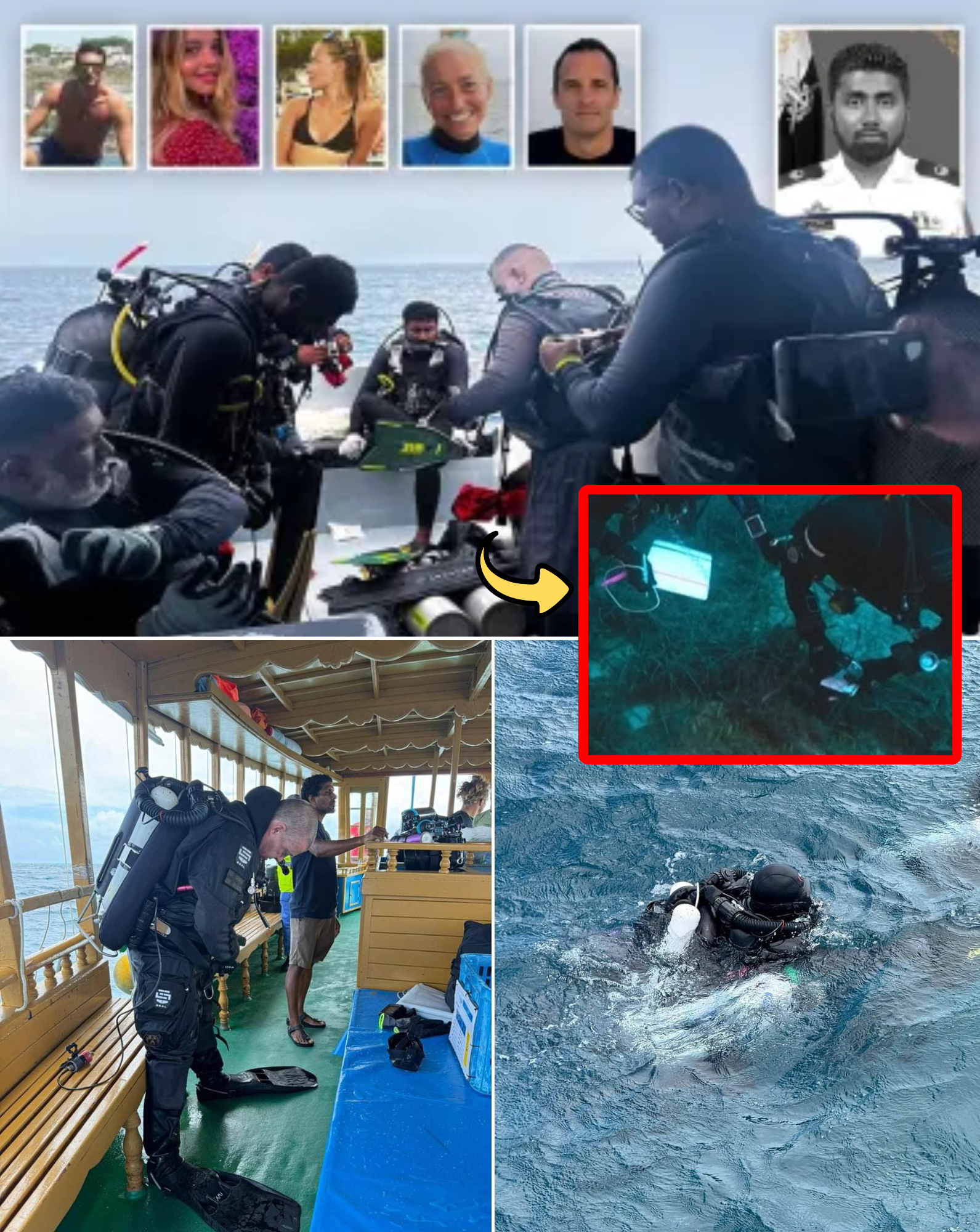
A routine diving expedition in the paradise waters of the Maldives turned into the country’s deadliest underwater tragedy last week, claiming the lives of five experienced Italian divers and one Maldivian rescue diver. As authorities now examine GoPro bodycams recovered from the victims’ remains, investigators hope the footage will provide critical answers about how a group of seasoned recreational divers became trapped in a complex cave system, running out of air far from safety.
The incident unfolded on May 14, 2026, near Alimathaa Island in Vaavu Atoll. The group, including instructor Gianluca Benedetti, Monica Montefalcone (an ecology professor), her daughter Giorgia Sommacal, Muriel Oddenino, and Federico Gualtieri, entered the Devana Kandu cave system — locally known as “Shark Cave.” What began as an adventurous exploration quickly turned fatal as the divers pushed beyond recreational limits, reportedly reaching depths of over 50 meters without specialized cave-diving certification or equipment.
One body, believed to be Benedetti’s, was recovered near the entrance shortly after the group failed to surface. The remaining four were located deep inside the cave’s third chamber, in an area characterized by narrow bottlenecks, strong currents, poor visibility, and silt that can disorient even expert divers. A multinational recovery effort involving Maldivian forces and elite Finnish technical divers faced extreme challenges, including rough seas and the tragic death of Maldivian Coast Guard Sergeant Major Mohamed Mahudhee from decompression sickness during the operation.
Finnish specialists who helped recover four of the bodies this week handed over GoPro cameras belonging to the victims to local authorities. These devices, often used to document dives, could contain harrowing footage of the group’s final moments — potentially capturing disorientation, attempts to fight currents, communication breakdowns, or the desperate struggle for air as they became trapped in the cave’s furthest sections.
Experts suggest a chilling theory: the divers may have been “sucked” deeper into the cave by powerful currents at a constriction point, making it impossible to swim back against the flow once air supplies began to dwindle. The cave’s complex layout, with multiple chambers and limited exit points, turned what should have been an exhilarating adventure into a deadly trap.
The tragedy has prompted immediate responses. Italy’s Foreign Ministry is arranging autopsies and repatriation of the bodies. The liveaboard operator’s license has been suspended pending investigation, and calls for stricter oversight of cave diving in the Maldives are growing louder. Recreational divers are reminded that overhead environments like caves require advanced training, redundant gas systems, and meticulous planning — elements reportedly missing from this expedition.
Monica Montefalcone’s husband confirmed she always carried a GoPro, raising hopes that her footage, along with others, will reveal crucial details. Investigators will analyze not only video but also dive computer data for depth profiles, gas consumption, and timelines. Such evidence could determine whether human error, equipment failure, environmental factors, or a combination led to the disaster.
This is not the first time underwater caves have claimed lives, but the scale in a popular tourist destination like the Maldives has shocked the diving community. Vaavu Atoll is renowned for its marine life and cave systems, yet experts warn that even “shark caves” demand respect and preparation far beyond standard scuba certification.
Families of the victims are grieving while awaiting answers. The Italian government has expressed condolences and pledged full cooperation with Maldivian authorities. Meanwhile, the recovered bodycams represent a rare opportunity in diving accidents — a potential digital record of the final minutes that could prevent future tragedies by highlighting exactly where things went wrong.
As analysis of the footage begins, the diving world watches closely. Will the cameras show a sudden current sweeping the group deeper? Panic as visibility dropped? Or a calm but doomed attempt to navigate out? Whatever the recordings reveal, they underscore the unforgiving nature of technical diving and the thin line between adventure and catastrophe in one of the ocean’s most beautiful yet dangerous environments.
The Maldives, famous for its crystal waters and vibrant reefs, now faces scrutiny over safety standards for guided expeditions. For the families left behind and the global diving community, the bodycam footage offers not just closure but a vital lesson: even experienced divers must never underestimate the power of the underwater world.