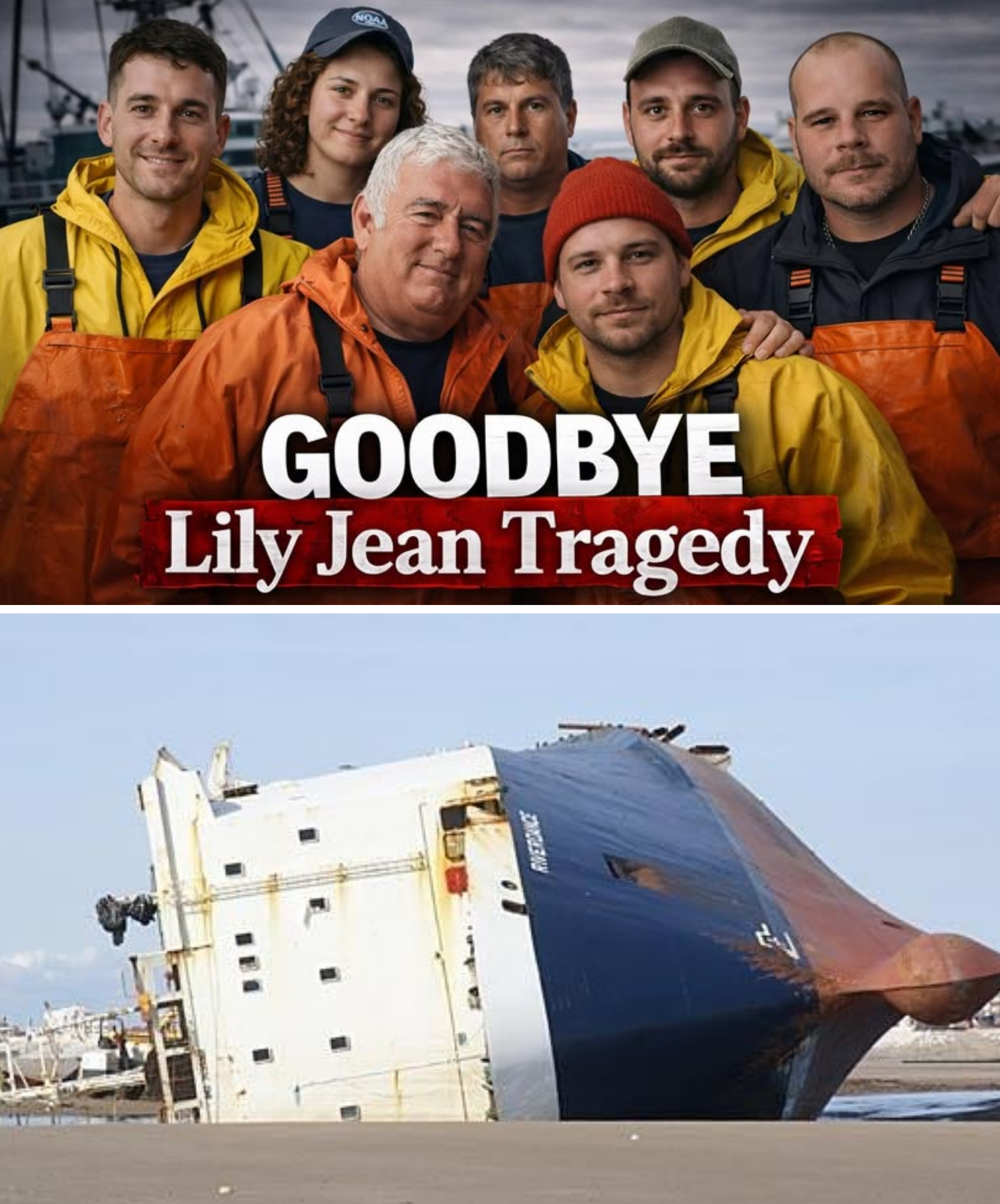
The absence of any manual distress signal from the fishing vessel Lily Jean during its catastrophic sinking on January 30, 2026, has puzzled investigators and maritime experts alike. The 72-foot Gloucester-based dragger vanished 25 miles off Cape Ann, Massachusetts, with all seven aboard presumed lost after the U.S. Coast Guard received only an automatic EPIRB activation at 6:50 a.m. No Mayday call, no VHF radio transmission, no personal emergency beacon activation from crew or the onboard NOAA fisheries observer—despite standard protocols requiring multiple layers of communication redundancy. Emerging analysis from the ongoing Coast Guard and NTSB investigation points to a sudden, total loss of electrical power or extremely rapid flooding into critical areas like the wheelhouse and engine room as the primary explanation for the eerie silence.
Fishing vessels like the Lily Jean rely on robust electrical systems powered by generators and batteries, supplying everything from navigation lights and radar to radios and bilge pumps. In a rapid capsizing or hull breach scenario—common in severe Nor’easter conditions with freezing spray, high winds, and confused seas—a massive influx of seawater can short-circuit main panels, flood battery compartments, or damage wiring harnesses in moments. Once power fails, all non-waterproofed electronics die instantly: VHF radios go dead, satellite communicators lose juice if not independently powered, and even backup systems can fail if water reaches high enough to compromise sealed compartments. The EPIRB, designed to float free and activate on immersion, was the sole survivor because it operates independently with its own battery and hydrostatic release.
Experts note that rapid flooding often occurs through open hatches, scuppers overwhelmed by boarding seas, or structural failure from wave impact. In the Lily Jean’s case, returning to port possibly laden with catch, any downflooding would accelerate if the boat took a severe list or rolled. Water entering the accommodation spaces or wheelhouse could submerge consoles, shorting out the main radio and any handheld units not in waterproof bags or on crew members’ persons. The NOAA observer, Jada Samitt, carried standard personal safety equipment, but personal locator beacons (PLBs) or satellite messengers like Garmin inReach require manual activation or line-of-sight to satellites—impossible if the individual is incapacitated, trapped, or swept overboard in seconds during a capsize.
The speed of the event is key. Previous similar sinkings in New England waters—such as those involving rogue waves or ice-induced instability—have shown that from initial instability to full immersion, vessels can go under in under a minute. Crews have no time to don immersion suits, launch life rafts properly, or transmit distress calls. In the Lily Jean incident, the empty life raft found at the scene suggests it auto-deployed or was manually thrown but never boarded, reinforcing that the crew was overwhelmed almost immediately. The lack of any radio chatter aligns with power loss: even if someone reached for the mic, a dead radio would yield only silence.
The Coast Guard’s formal district-level investigation, assisted by the NTSB, is scrutinizing electrical system integrity, battery backup configurations, and flooding paths. Maintenance records, witness statements from prior dockside repairs (including the previously reported clutch/air brake issue), and any recoverable electronic data will be examined. Investigators are also considering whether a combination of factors—such as prior mechanical problems leading to reduced maneuverability, followed by a wave strike causing sudden flooding—contributed to the blackout. Freezing spray buildup, noted in weather reports, could have indirectly played a role by adding weight and instability, making the boat more prone to the flooding that killed power.
This tragedy highlights persistent vulnerabilities in commercial fishing communications. While EPIRBs have saved countless lives by providing automatic alerts, they do not transmit voice or precise crew positions during the critical early moments. Industry advocates push for mandatory carriage of float-free VHF DSC radios with independent power, waterproof handheld units on every crew member, and real-time vessel monitoring systems that alert shoreside if power drops or unusual motion is detected. Personal EPIRBs or PLBs for each individual could provide redundancy, but adoption remains inconsistent due to cost and perceived burden.
Gloucester continues to reel from the loss. Captain Accursio “Gus” Sanfilippo, a respected fifth-generation fisherman; the father-son team of Paul Beals Sr. and Jr.; John Rousanidis, Freeman Short, Sean Therrien; and Jada Samitt, the dedicated young observer whose work supported sustainable fisheries—all perished in an instant of chaos. Memorial services at St. Ann’s Church and tributes at the Fishermen’s Memorial Statue reflect a community’s profound grief. State officials and fishing organizations have called for swift release of investigation findings to prevent recurrence.
The Lily Jean’s story serves as a stark reminder: the sea demands multiple fail-safes, and even the best-prepared vessels can be silenced by speed and water. As the probe delves deeper into electrical schematics, flooding dynamics, and human factors, the hope is that lessons learned will strengthen safety protocols for the fleets that brave these waters daily. Until then, the silence from that fateful morning echoes as a warning—the ocean can extinguish voices as quickly as it claims lives.