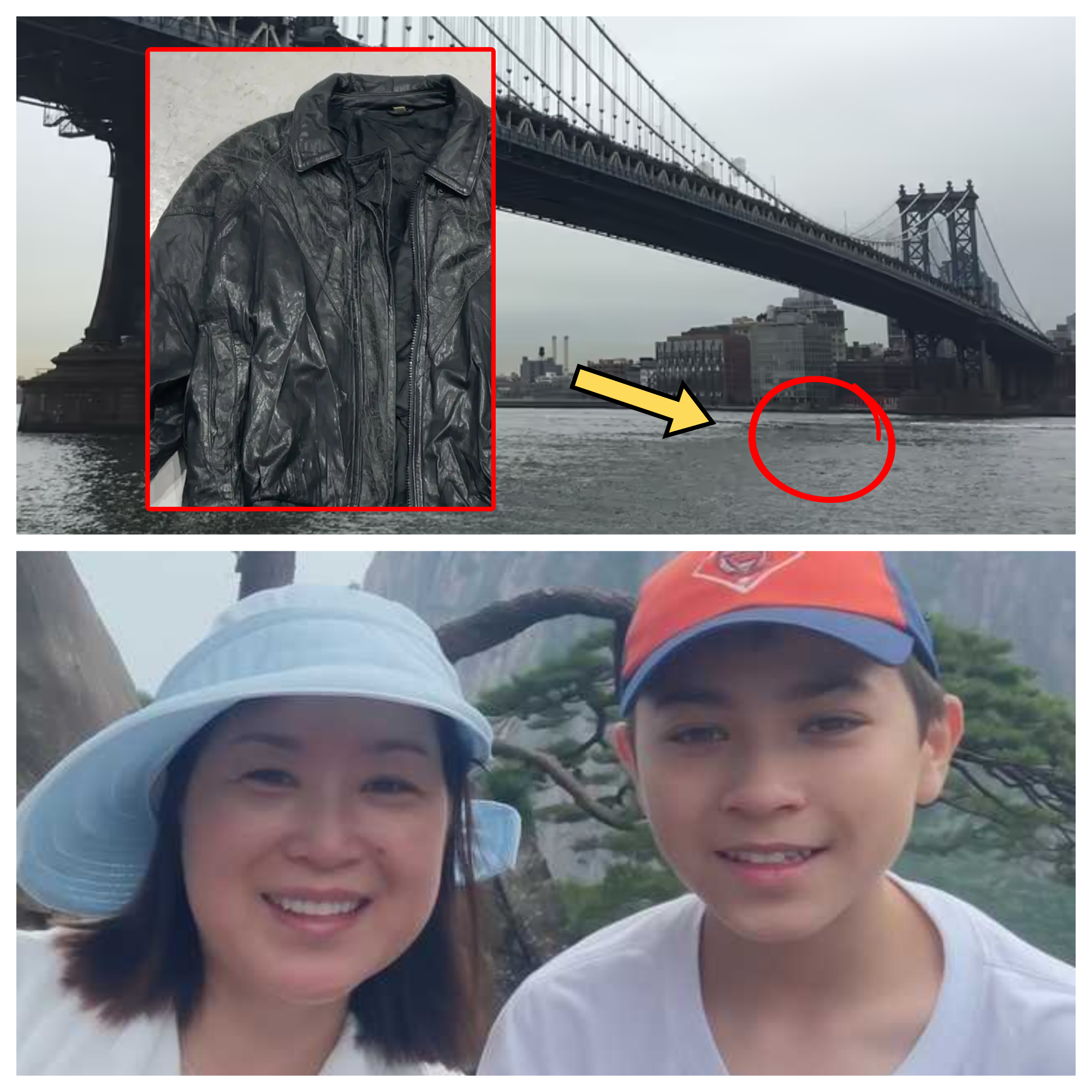
The disappearance of 15-year-old Thomas Medlin has taken a somber turn with the recovery of his distinctive black jacket with red stripes from the East River waters near the Manhattan Bridge. The find, confirmed by Suffolk County authorities in early February 2026, has shifted the investigation from a search for a missing runaway to a grim recovery effort focused on one of New York City’s most treacherous waterways.
Thomas vanished on January 9, 2026, after leaving Stony Brook School in St. James, Long Island. He boarded a Long Island Rail Road train to Manhattan, arriving at Grand Central Terminal around 5:30 p.m. Surveillance footage placed him in the station before he made his way to the Manhattan Bridge’s pedestrian walkway. At 7:06 p.m., cameras captured him on the bridge. His cellphone showed its last activity at 7:09 p.m. One minute later, at 7:10 p.m., a nearby surveillance camera recorded a splash in the water below. Thomas was never seen exiting the bridge through any pedestrian paths.
The jacket’s discovery has intensified fears that the teen may have entered the river voluntarily or otherwise. The East River’s strong currents, cold winter temperatures, and heavy boat traffic make survival unlikely in such conditions. Divers and search teams had been scouring the area since the splash footage emerged in late January, and the coat’s recovery provides physical evidence tying directly to his last known location. Authorities have not released details on how or exactly where the jacket was found—whether snagged on debris, washed ashore, or retrieved by divers—but its condition and location have fueled speculation about what transpired in those final minutes.
Thomas was described as white, 5 feet 4 inches tall, weighing about 130 pounds, wearing dark sweatpants with white stripes, glasses, and carrying a black backpack. His family reported him missing after he failed to return home. Early reports suggested he may have traveled to meet someone he knew from the online game Roblox, but Suffolk County Police later ruled out any connection between gaming platforms and his disappearance after reviewing accounts and digital evidence. No foul play has been confirmed, but investigators continue to examine all possibilities, including the teen’s state of mind during his journey into the city.
The Manhattan Bridge, connecting Lower Manhattan to Brooklyn, carries heavy pedestrian and vehicle traffic, yet its walkways offer isolation in certain stretches, especially at dusk in winter. The bridge’s height above the water—around 135 feet at mid-span—combined with the river’s depth and swift flow, creates a perilous drop. Historical incidents involving the bridge have often involved jumps or falls, with recovery challenging due to tides and currents that can carry items miles downstream. The splash captured on camera aligns closely with Thomas’s last cellphone ping, suggesting the event occurred almost immediately after his final phone use.
Family members have shared emotional updates, expressing ongoing hope while acknowledging the pain of the latest development. Thomas’s mother previously described her son as kind and quiet, someone who enjoyed gaming and spending time with friends. The family’s public appeals for information emphasized his vulnerability and urged anyone who might have seen him to come forward. Community vigils and online fundraisers have supported the search efforts, with donations going toward private divers and awareness campaigns.
Suffolk County Police continue to treat the case as a missing person investigation with heightened urgency. Divers, boats, and K-9 units have focused on the East River corridor below the bridge, while detectives review additional footage from nearby streets, subway stations, and buildings. The absence of any sighting after the splash has led authorities to prioritize underwater and shoreline searches. No suicide note or definitive indication of intent has been reported, leaving open the possibility of accident, misadventure, or other circumstances.
The case has drawn widespread attention across New York and beyond, with true-crime communities and local media covering developments closely. The bridge’s surveillance footage—showing Thomas pacing before the splash—has been dissected frame by frame online, with observers noting his apparent hesitation. Some speculate about mental health struggles or an impulsive decision, though police have urged caution against assumptions without evidence.
As recovery efforts persist, the jacket’s emergence serves as a stark reminder of how quickly a routine day can turn tragic. For a teenager who left school for what may have been a simple trip into the city, the journey ended in mystery above one of the world’s busiest rivers. The family, supported by friends, classmates, and strangers moved by the story, continues to hold out for answers while bracing for the worst.
Search teams remain on the water, scanning for additional items or signs. The East River, unforgiving and vast, holds its secrets tightly. Thomas Medlin’s case stands as a heartbreaking reminder of the fragility of youth and the importance of vigilance—for loved ones, for communities, and for anyone who might need help before it’s too late.