The Simultaneous Blackout That Has FBI Stumped: How Nancy Guthrie’s Pacemaker and Camera Failed in Perfect Sync.
The disappearance of 84-year-old Nancy Guthrie from her Catalina Foothills home in Tucson, Arizona, on the night of January 31 into February 1, 2026, has evolved into a perplexing case centered on an unprecedented digital anomaly. Authorities describe the event as a targeted abduction, but the most baffling element lies not in physical evidence alone but in the precise synchronization of two critical failures: her residential Google Nest doorbell camera and her cardiac pacemaker both ceased transmitting data at the exact same moment in the early morning hours.
Nancy, mother of NBC “Today” show co-anchor Savannah Guthrie, was last confirmed on camera at 9:50 p.m. on January 31 when the garage door closed after her son-in-law Tommaso Cioni dropped her off following a family dinner. She required daily insulin and heart medications, and her pacemaker continuously relayed biometric data via Bluetooth to her phone. When she failed to appear for her regular online church viewing the next morning, family members conducted a welfare check around 11:56 a.m. on February 1, discovering her absence and alerting authorities at 12:03 p.m.
Forensic analysis revealed blood droplets on the front porch concrete, confirmed as Nancy’s through DNA, alongside glass fragments indicating a possible struggle or breach. Yet the interior showed no signs of ransacking—no items stolen, medications and valuables untouched. The paradox deepened: an elderly woman with limited mobility could not have exited voluntarily without assistance, yet no clear forced entry marred the doors or windows.
The digital blackout stands as the central enigma. System logs indicate the doorbell camera was neutralized first, followed instantaneously by the pacemaker telemetry cutoff. Investigators note this correlation defies coincidence, as the devices operate on independent networks—one external Wi-Fi security, the other internal medical Bluetooth. The precision suggests deliberate interference, possibly electromagnetic jamming or sophisticated hacking to create a “vacuum of data” that erased electronic traces of the intrusion. Former analysts describe it as a “calculated erasure,” where the perpetrator targeted Nancy’s electronic dependencies to bypass her physical vulnerabilities.
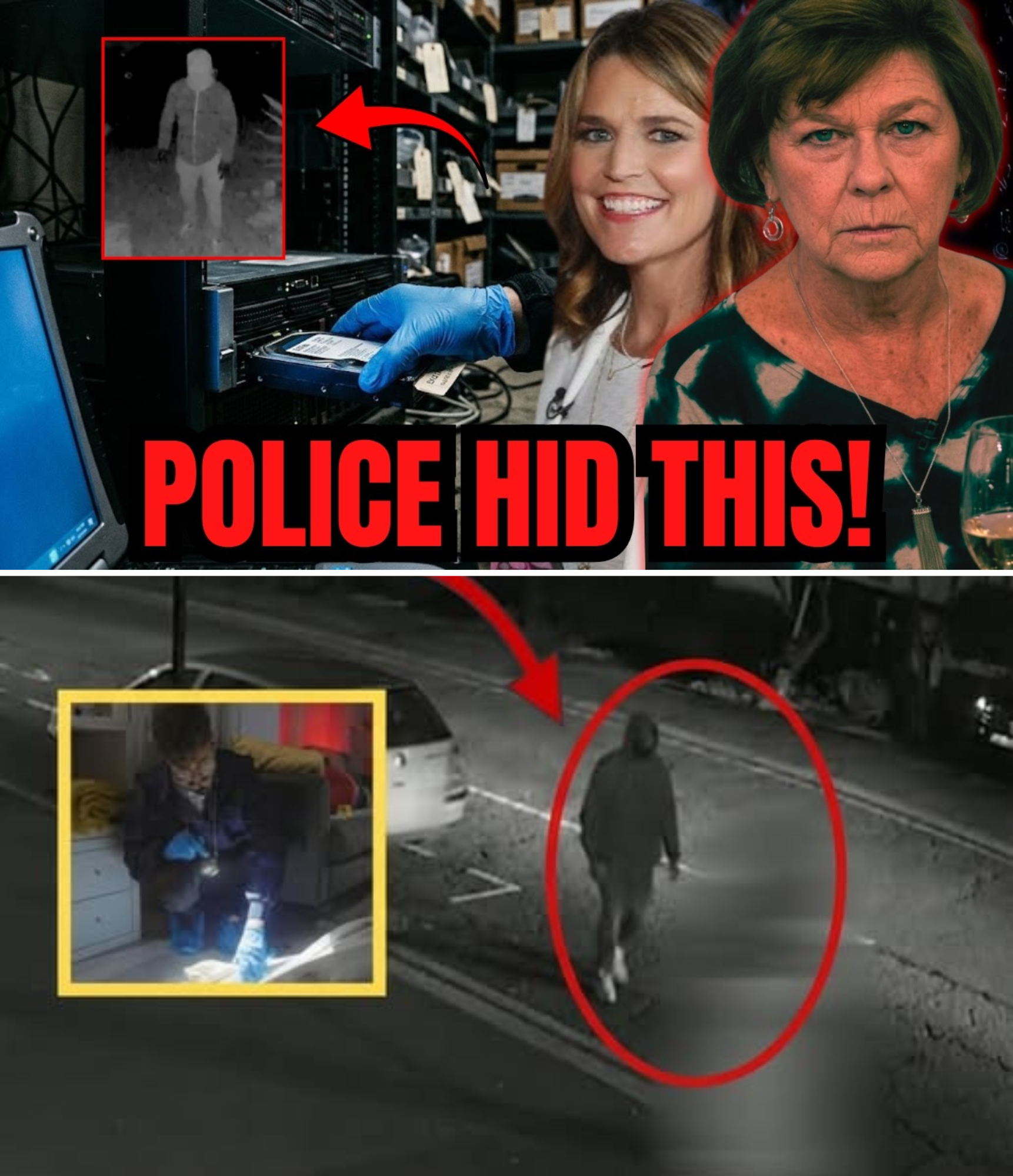
Recovered fragments add intrigue. Backend data from the doorbell yielded thumbnail images and partial footage of a masked male suspect tampering with the camera prior to the main event. The individual, estimated at 5’9″ to 5’11” and up to 230 lbs, wore dark tactical gear: a ski mask with unique stitching, heavy gloves, possible firearm holster, and a black Ozark Trail 25-liter hiker backpack commonly available at Walmart. Size 12 shoe impressions matched the scene, while a discarded black glove found two miles away carried unknown male DNA unrelated to CODIS profiles or Nancy’s. Mixed DNA samples from the property continue processing at specialized labs.
FBI scrutiny extends to pre-abduction reconnaissance. Agents zero in on January 11 and January 24 footage from neighborhood cameras, seeking signs of surveillance. A shadowy silhouette appeared in moonlight-optimized blind spots, suggesting weeks of planning. Ransom-style electronic demands for $6 million in Bitcoin arrived at media outlets—not the family—with non-public details like Apple Watch data, floodlight positions, and clothing worn that night. Deadlines passed unanswered, no proof of life emerged, and one unrelated note led to an arrest elsewhere.
The investigation, now in its eighth week as of late March 2026, remains “red hot” behind the scenes per former FBI agent Jennifer Coffindaffer. Thousands of tips exceed 50,000, bolstered by a combined reward surpassing $1 million. A dedicated Phoenix Field Office command post coordinates hundreds of agents, neighborhood re-canvasses, and reviews of vacant homes nearby. Recent developments include FBI acquisition of Uber footage from Nancy’s ride to her daughter’s home earlier on January 31, thumbnail recoveries from backyard/pool cameras, and family pleas in specials like KVOA’s “Bring Her Home.”
Pima County Sheriff Chris Nanos cleared immediate family members early, praising cooperation amid public frustration and recall efforts over case handling. No arrests have occurred, fueling online speculation and harassment, though authorities warn such actions hinder progress. Nancy’s health dependencies make prolonged survival improbable without aid, yet hope persists through community vigils and renewed calls for anonymous tips via 1-800-CALL-FBI or tips.fbi.gov.
This synchronized blackout transforms the case from conventional abduction to high-tech operation. By attacking digital safeguards—pacemaker lifeline and surveillance—the perpetrator created plausible deniability through absence of records. As forensic teams reconstruct data packets and map cellular pings, the anomaly may unlock the identity of who executed this flawless electronic takedown. For Nancy’s loved ones, the silence from those devices echoes louder than any scream, a haunting reminder that in the smart-home era, the most dangerous intrusions may leave no trace at all.