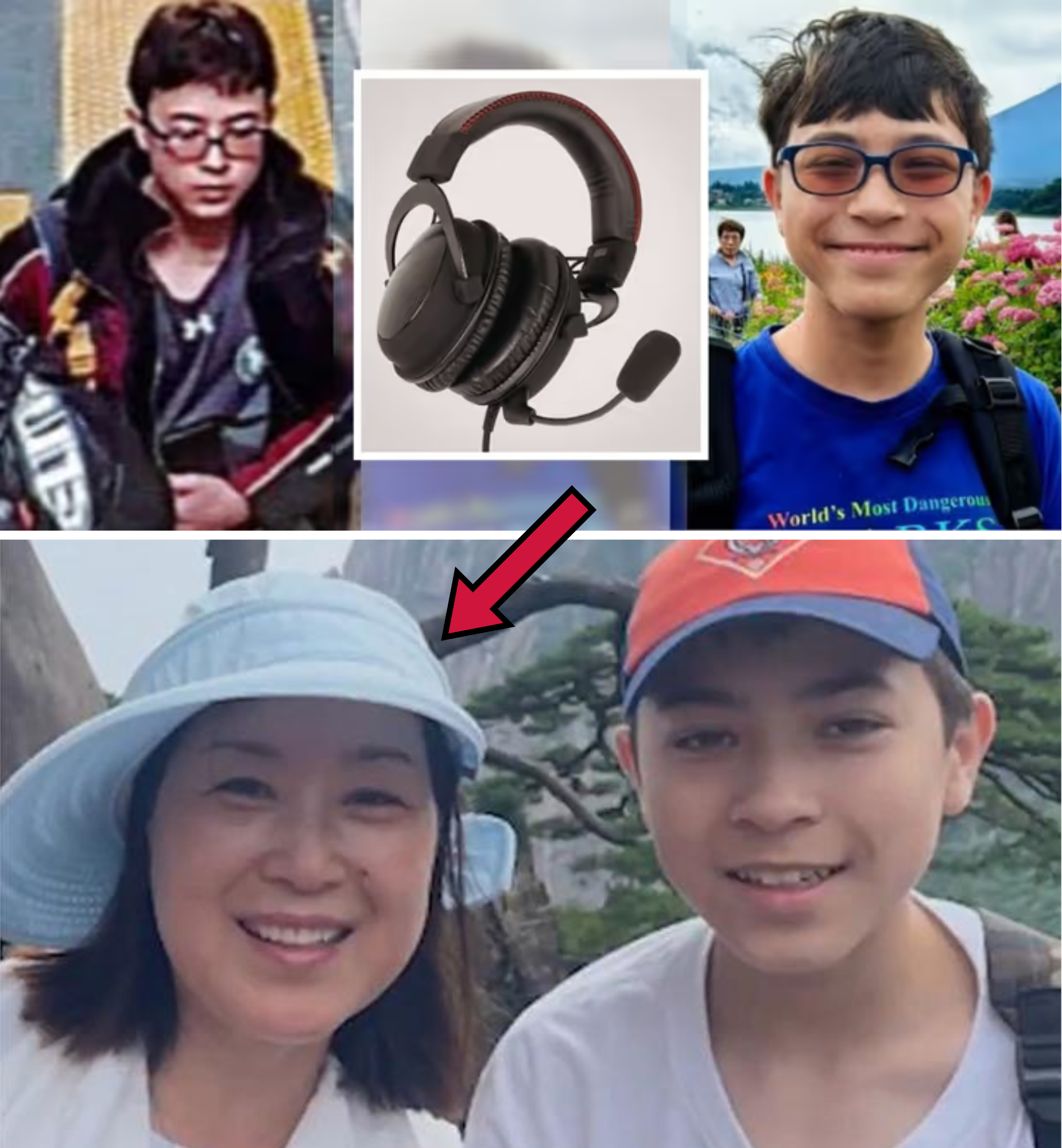
Suffolk County Police have delivered a significant update in the disappearance of 15-year-old Thomas Medlin from Saint James, Long Island, clarifying that the widely reported theory of him traveling to New York City to meet a friend met through Roblox has been thoroughly debunked. Investigators, after conducting subpoenas, search warrants, forensic examinations of electronic devices, and reviews of multiple social media and online gaming profiles, determined there is no connection between the platforms and his disappearance. The revelation reframes early assumptions and suggests Thomas may have intentionally misled his family about his intentions on January 9, when he left school and vanished into Manhattan.
Thomas departed The Stony Brook School around 3:30 p.m. that Friday, heading directly to the nearby Long Island Rail Road station for a train to the city. He appeared on surveillance at Grand Central Terminal approximately 5:30 p.m., confirming his arrival. From there, cellphone pings placed him in Lower Manhattan near Cherry and Rutgers streets, before his path led to the Manhattan Bridge pedestrian walkway. At 7:06 p.m., footage captured him pausing near the railing for 36 seconds before moving out of frame. No exit cameras recorded him leaving on foot. His phone went silent at 7:09 p.m., and a nearby surveillance device detected a splash in the East River one minute later. Police emphasize no evidence of criminal activity, yet the sequence—combined with the absence of any Roblox link—has shifted focus toward understanding what prompted the solo journey.
The Roblox narrative originated from family members, particularly Thomas’s mother, Eva Yan, who initially believed her son had gone to meet someone connected through the gaming platform. In interviews on Fox & Friends and with local media like News 12 Long Island, she described the trip as completely out of character for her quiet, kind-hearted teen who loved video games and friends. She noted he had a monitored Roblox account tied to her email, but later discovered he secretly created another using a separate address, bypassing parental controls. When a friend suggested checking Roblox accounts, the family pursued that angle, leading to early speculation that fueled public attention and police inquiries.
Roblox cooperated fully, launching an internal review upon learning of the disappearance. The company stated they followed standard procedures and found no evidence of exchanged personal contact information, such as phone numbers or addresses, between Thomas and any other users. Suffolk County Police’s forensic analysis corroborated this: examinations of devices and profiles showed no relevant communications or arrangements tied to the trip. The department’s January 28 update explicitly stated the platforms “are not connected to his disappearance,” closing off the online-luring theory that had dominated headlines.
This finding implies Thomas fabricated the “friend” story—perhaps to deflect questions or gain permission indirectly. Why he chose that particular cover remains unclear, but it adds layers to the mystery of his motivations. Investigators continue piecing together his final hours: purposeful navigation through Lower Manhattan, the bridge crossing, the extended pause near the railing, the sudden phone silence, and the river disturbance. The absence of any monitored exit from the bridge, paired with these elements, keeps the East River central to the search, though strong currents and winter conditions have complicated recovery efforts.
Marine units, divers, and aerial teams persist in sweeps near the bridge’s midpoint, focusing on the splash zone, but progress is slow. Searches extend along shorelines and connecting waterways, sustained by hope that Thomas might still be located or that evidence could emerge. The 14-second Brooklyn sighting near Sands and Jay streets—placing him at the bridge’s end—further tightens the timeline, suggesting he nearly completed the crossing before vanishing from surveillance.
Eva Yan’s public pleas have remained consistent: Thomas faces “no trouble” if he returns, only open arms and love. In tearful appearances, she has reiterated her promise of no punishment, urging him to reach out when ready. The family has expressed gratitude for community support—vigils, shared posts, tip-line calls—while requesting privacy amid emotional strain. Rewards for actionable information or video persist, underscoring urgency for resolution, whether reunion or closure.
Public response stays strong. Long Island vigils feature candles, signs, and photos of Thomas in his black jacket with red stripes, dark sweatpants, glasses, and backpack. The Suffolk tip line receives steady calls, though many sightings prove unrelated. Online campaigns with #FindThomasMedlin and #BringThomasHome amplify police appeals, recirculating timelines and Eva Yan’s messages. Discussions mix sympathy with questions about why a teen might conceal plans, highlighting broader concerns around adolescent independence, mental health, and parental monitoring in the digital age.
The fabricated Roblox detail, while debunked, does not diminish the tragedy. It raises difficult reflections: what pressures or thoughts led Thomas to leave without explanation, craft a cover story, and head to the city alone? Police maintain no criminal indication, focusing on the known facts—his route, the bridge pause, the splash—while urging tips from anyone in Lower Manhattan, on the bridge, or Brooklyn areas that evening.
Authorities renew calls to Fourth Squad Detectives at 631-854-8452 or Crime Stoppers at 800-220-TIPS. As the case stretches into its third week, the East River flows beneath the bridge, holding whatever secrets unfolded in those final moments. Hope clings to the possibility Thomas will hear his mother’s voice—through a shared post, news clip, or friend’s message—and choose to respond. Until then, the lie about a “Roblox friend” stands as a poignant reminder: even the most ordinary teens can harbor hidden struggles, and sometimes the deepest mysteries begin with words left unspoken.