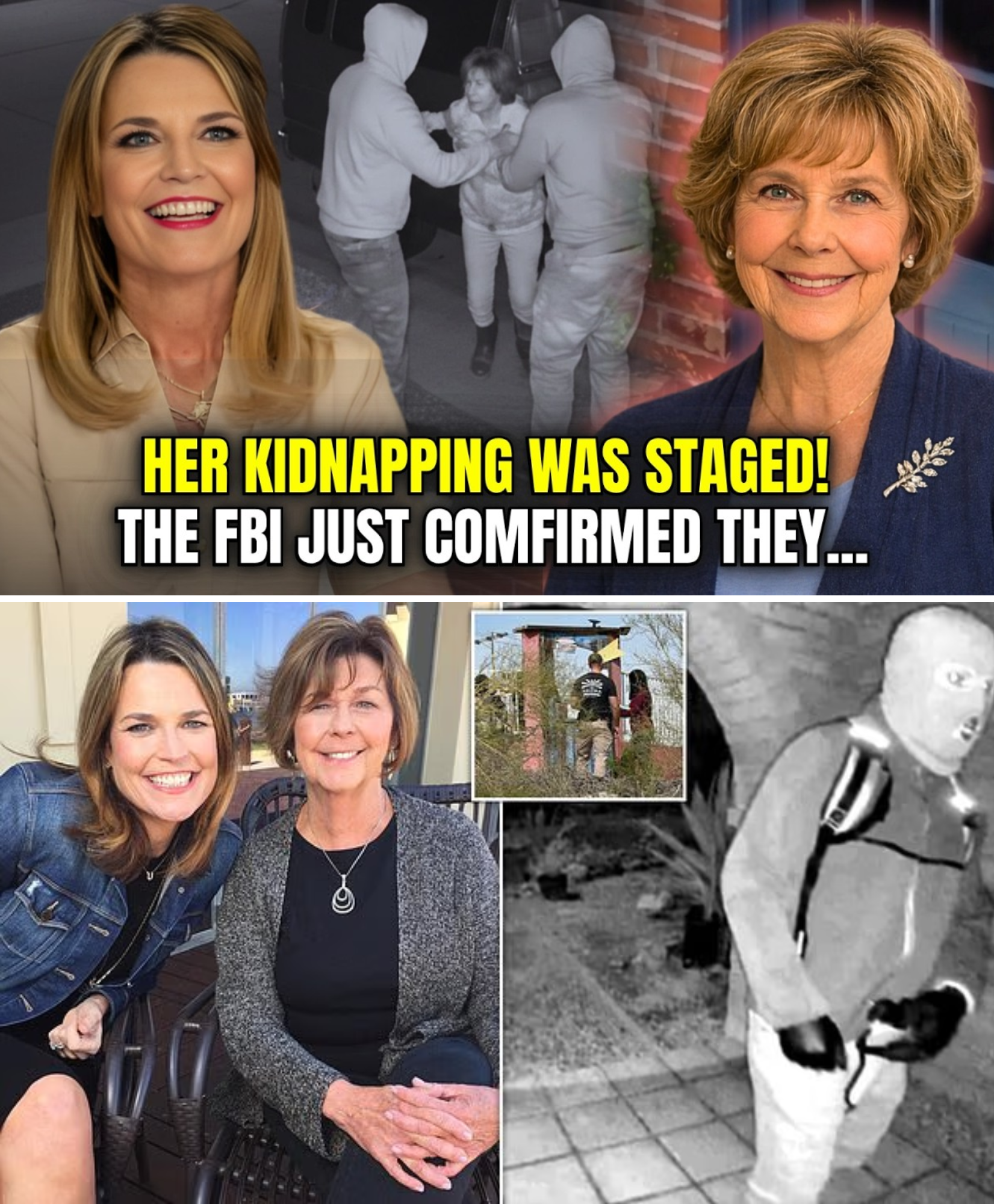
The disappearance of Nancy Guthrie in early February 2026 sent shockwaves across the United States. As the mother of NBC News anchor Savannah Guthrie, Nancy’s vanishing from her Tucson home quickly became national headlines. Blood on the porch, a shattered backyard floodlight captured on doorbell camera, and eerie ransom notes demanding $6 million in Bitcoin turned the case into what many assumed was a high-stakes kidnapping. Yet, according to Commander Dan O’Shea — a retired U.S. Navy SEAL and veteran hostage negotiator with experience managing over 400 incidents in Iraq — the entire ransom narrative was fundamentally flawed from the start.
O’Shea, who appeared on Fox News and other outlets just days after Nancy went missing on February 1, analyzed the case through the lens of real-world hostage operations. In his extensive career dealing with al-Qaeda-affiliated groups, insurgents, and criminal networks, legitimate ransom kidnappings followed strict, predictable patterns designed to maximize payment while minimizing risk. The Guthrie case, he argues, matched none of those patterns. Instead, it bore the hallmarks of either a targeted abduction that went tragically wrong or a media-driven stunt meant to generate attention rather than secure money.
The first red flag was the delivery method of the ransom notes. Rather than contacting the family privately through secure channels — a standard requirement in genuine negotiations to maintain control and verify details — the notes were sent directly to media outlets including KOLD, KGUN, and TMZ. According to O’Shea, this move immediately handed the case over to law enforcement and the public, destroying any possibility of discreet negotiation. In true ransom situations, kidnappers avoid publicity at all costs because it triggers massive police involvement and reduces their leverage. Sending demands publicly eliminates private two-way communication, making it impossible for the perpetrator to confirm receipt or control the flow of information.
Compounding this issue was the complete absence of proof of life. No video, no audio, no personal details only Nancy and her family would know. The notes referenced publicly available information: her Apple Watch location data, a pacemaker indicating a heart condition, and observable details about her property. Former FBI agents echoed O’Shea’s concerns, stating that without verifiable proof that Nancy was alive and in custody, there was no basis for negotiation. Savannah Guthrie herself later revealed in an interview with Hoda Kotb that while some notes appeared more credible than others, the family followed FBI guidance and never paid without confirmation.
The Bitcoin demand added another layer of inconsistency. The notes specified a wallet address for the $6 million payment, yet blockchain records confirmed the wallet received exactly zero funds. Two strict deadlines — February 5 at 5:00 p.m. and February 9 at 5:00 p.m. — passed without any follow-up communication, escalation, or proof that consequences had been carried out. In O’Shea’s Iraq cases, such as the 83-day ordeal of journalist Jill Carroll, deadlines were pressure tactics, but they were always accompanied by continued dialogue or evidence of the hostage’s status. Here, silence followed. The FBI officially stated on February 9 that communication had ceased, no ransom was paid, and the investigation had shifted away from active negotiation toward forensic evidence.
These anomalies led O’Shea to categorize the notes as potentially media-motivated rather than financially driven. True financial kidnappings in the United States are rare and require sophisticated infrastructure for private contact, proof of custody, and secure payment collection. Media-motivated actions, by contrast, thrive on publicity. They aim to dominate news cycles, create panic, or distract from other stories — sometimes timed around major events like the release of sensitive documents. The Guthrie notes fit this profile: dramatic public deadlines, no functional negotiation channel, and a narrative that kept the story alive even as real investigative leads pointed elsewhere.
As the ransom angle collapsed, authorities pivoted to a more grounded theory: a targeted home invasion or abduction that ended catastrophically. Foreign DNA found inside Nancy’s home — unrelated to family members or authorized visitors — became a central focus. Genetic genealogy techniques are now being applied in hopes of identifying a suspect. A billboard campaign in Tucson features a facial reconstruction based on doorbell footage of an unidentified individual. Sheriff Nanos has described the incident as targeted, while former detective Morgan Wright suggested it may have begun as an abduction with the expectation of survival, only for Nancy’s heart condition and lack of medication to turn it fatal.
Over 40,000 tips have poured in to the joint task force, yet the case remains unsolved. One California man was arrested early on for sending unrelated fake ransom demands, highlighting how high-profile cases attract opportunists seeking to exploit grief. Later reports mentioned an alleged “apology note” claiming Nancy had died due to her medical issues, but experts viewed it as another potential scam rather than genuine communication from the perpetrator.
The psychological and behavioral analysis of the case reveals deeper insights into criminal decision-making. In genuine hostage scenarios, perpetrators maintain tight operational security and clear incentives for payment. When those elements are missing — as they were here — the motive often shifts toward attention, disruption, or covering tracks after an unplanned outcome. Nancy’s pacemaker data and heart condition were known publicly, meaning the notes did not require current access to her. The shattered floodlight and blood evidence pointed to a physical confrontation at the home, consistent with a botched break-in or targeted attack rather than a professional kidnapping ring.
Savannah Guthrie’s public pleas, including Instagram videos, were made under immense pressure but yielded no verified response from any credible kidnapper. The family’s decision to cooperate fully with the FBI, refusing payment without proof, aligned with standard law enforcement protocol and likely prevented further manipulation.
Today, the investigation continues in Tucson with a focus on local suspects, the vacant property next door, and advanced forensic tools. The shift away from ransom has not diminished the tragedy; if anything, it has intensified the search for answers about what truly happened in those critical hours on February 1.
This case serves as a stark reminder of how quickly public narratives can form around dramatic details while overlooking procedural realities. Expert voices like Commander O’Shea’s, grounded in hundreds of real-world negotiations, cut through the noise to highlight what evidence actually reveals. Whether the perpetrator intended financial gain, media chaos, or something more personal, the lack of proof of life and functional negotiation suggests Nancy’s disappearance was never the classic kidnapping story the initial notes implied.
As forensic genealogy and community tips continue to build, the hope remains that justice will prevail for Nancy and her family. In the meantime, the Guthrie case stands as a fascinating study in criminal psychology, media influence, and the importance of evidence-based analysis over sensational headlines. The truth, as it so often does, lies not in the loudest claims but in the quiet inconsistencies that experts are trained to spot.
News
The JonBenét Ramsey Case: 30 Years of Lies, DNA, and a Murder Still Unsolved.
On Christmas night 1996, six-year-old beauty queen JonBenét Ramsey was brutally murdered inside her family’s luxurious home in Boulder, Colorado. Her body was discovered the next day in the basement…
The Dark Truth Hidden in Bridgerton Season 4: Why Benedict and Sophie’s Romance May End in Heartbreak.
The glittering ballrooms and whispered scandals of Bridgerton have always masked deeper emotional undercurrents, but the latest trailer for Season 4 Part 2 has fans questioning everything they thought they…
Bridgerton Season 5: The Shocking Possibility of Simon and Daphne’s Long-Awaited Return.
The Bridgerton universe continues to captivate millions of viewers worldwide, blending lavish period drama with steamy romance and intricate family dynamics. As Netflix prepares for the highly anticipated fifth season,…
“I Have To Run From Him”: The Chilling Last Text Brittany Kritis-Garip Sent Before Jumping From a Moving Car and Vanishing.
Brittany Kritis-Garip, a 32-year-old woman from Long Island, sent one final, terrifying message to her best friend before she disappeared under deeply disturbing circumstances on March 20, 2026. The text…
Outlander Season 9 Sneak Peek: Will Jamie and Claire’s Story Continue Beyond the Final Season?
The beloved historical fantasy drama Outlander continues to captivate audiences with its blend of romance, adventure, and time-travel intrigue. While Season 8 has been positioned as the concluding chapter for…
Outlander Season 8 Episode 1 Trailer: Jamie and Claire Face Their Most Personal War Yet as the American Revolution Tears Families Apart.
The long-awaited final season of the global phenomenon Outlander kicks off with high emotional and dramatic stakes in its premiere episode, as teased in the official trailer released for Season…
End of content
No more pages to load