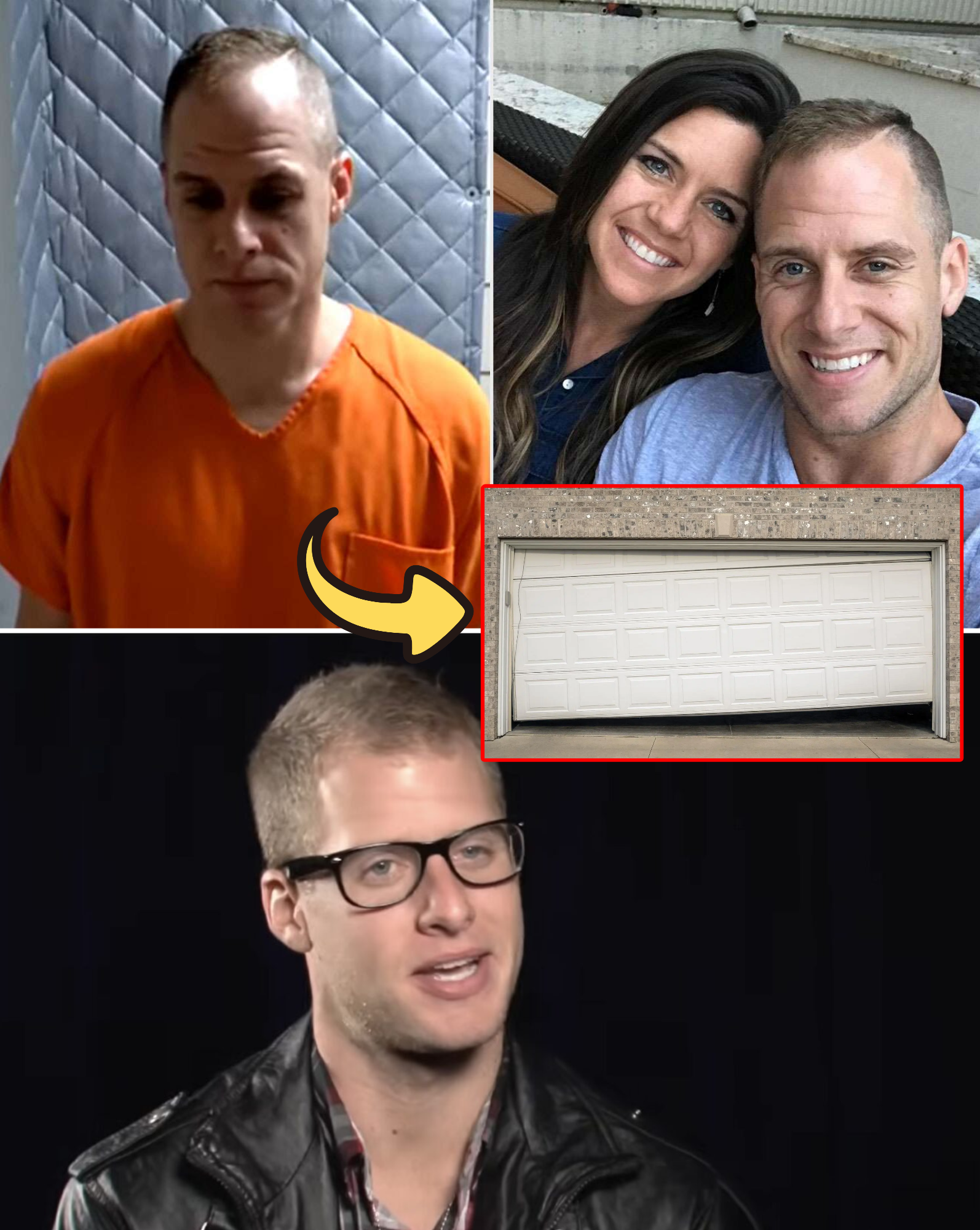
Caleb Flynn’s 911 call in the early hours of February 16, 2026, sounded like every homeowner’s nightmare. A frantic voice reported a break-in at their Tipp City, Ohio home: someone had forced entry, shot his wife Ashley multiple times in the head, and fled, leaving the family in terror. Ashley Flynn, 37, a dedicated substitute teacher, volleyball coach, and mother of two young daughters, lay lifeless in the master bedroom. The scene supported the story—signs of forced entry at the side garage door, an open garage door, and the center console of the family truck ajar, supposedly where Flynn’s 9mm handgun had been kept before the intruder stole it.
Initial response treated it as a tragic random crime in a peaceful suburb. Flynn, 39, a former American Idol contestant from 2013 and music pastor at Christian Life Center in Dayton, appeared devastated on the recording, repeating pleas for help amid descriptions of blood and chaos. Yet within 82 hours, the narrative collapsed. By February 19, Tipp City Police arrested Flynn on charges of murder, two counts of felonious assault, and two counts of tampering with evidence. Prosecutors alleged he shot Ashley himself and staged the burglary to mislead investigators.
The turning point hinged on subtle physical inconsistencies that undermined the intruder theory. A critical element involved the side door to the garage, which showed signs of forced entry. Upon closer inspection, officers noted a large refrigerator positioned directly in front of it—an heavy obstacle requiring significant effort to move. An external intruder breaking in quietly at night would have struggled immensely with the appliance, likely creating noise audible throughout the house. The door’s damage and positioning suggested manipulation from inside, not a forceful push from outside. This logistical impossibility immediately cast doubt on the burglary claim.
Adding to the discrepancies was the open center console in the truck inside the garage. Flynn claimed the handgun stored there had been taken by the intruder. Forensic review revealed no evidence of hurried external access consistent with a thief’s quick grab. Instead, the console’s state indicated deliberate handling after the shooting, as if to fabricate the theft. Combined with the fridge obstruction, these small oversights formed the chain of evidence that exposed staging. Police described them as the “tiny overlooked details” that cracked an otherwise calculated deception.
Tipp City Police Chief Greg Adkins addressed the revelation publicly, stressing how criminals often prioritize dramatic elements while neglecting practical realism. “Perpetrators focus on creating visible chaos—open doors, missing items—but overlook the mechanics of how those elements would realistically occur,” Adkins explained. “The obstructed door required improbable physical effort for an outsider, and the console access didn’t match a stranger’s behavior. These mismatches accumulated rapidly once scrutinized.” The chief highlighted the swift pivot in the investigation, aided by scene reconstruction, blood spatter analysis, gunshot residue patterns, and trajectory evidence aligning more with an internal shooter at close range.
Flynn’s background amplified the shock. Known for his vocal talent on American Idol and pastoral role, he had spoken lovingly of family life in interviews. Ashley was remembered as warm, energetic, and deeply involved in her community through teaching and coaching. No prior domestic issues surfaced publicly, though investigators uncovered underlying tensions during the probe. The couple’s two daughters, asleep nearby during the incident, added heartbreaking layers to the case.
At arraignment on February 20, Flynn pleaded not guilty. His defense attorney questioned the investigation’s pace, suggesting haste risked errors in such sensitive matters. Bond was set at $2 million, with the judge unmoved by Flynn’s plea to care for his daughters. Prosecutors pointed to probable cause from physical anomalies and the absence of supporting evidence for an external intruder—no stolen valuables beyond the alleged gun, no signs of struggle on Flynn or the children, and precise head wounds suggesting familiarity.
The 911 audio, released publicly, fueled speculation. Flynn’s emphasis on the “wide open” garage door and uncertainty about the intruder’s presence contrasted with the controlled scene. Forensic details further supported staging: patterns indicated tampering with the console and door post-shooting. Authorities believe Flynn manipulated these to create a robbery motive, but the practical hurdles he failed to anticipate proved decisive.
Tipp City, a close-knit community prizing safety, reeled from the betrayal. Vigils honored Ashley’s legacy, with fundraisers supporting the daughters. The case underscores domestic violence risks, often hidden behind normal facades, and the dangers of escalation without warning.
As the preliminary hearing approaches, the “tiny detail”—the fridge blocking a supposed forced entry—remains the pivotal error. It transformed a plausible home invasion into an alleged premeditated act. The investigation continues, but this overlooked element already shifted the trajectory, demonstrating how even meticulous plans falter under forensic scrutiny of the smallest realities.