The Nurse’s Heart-Wrenching Words to a Dying 21-Year-Old After a Fatal 130-Foot Plunge.
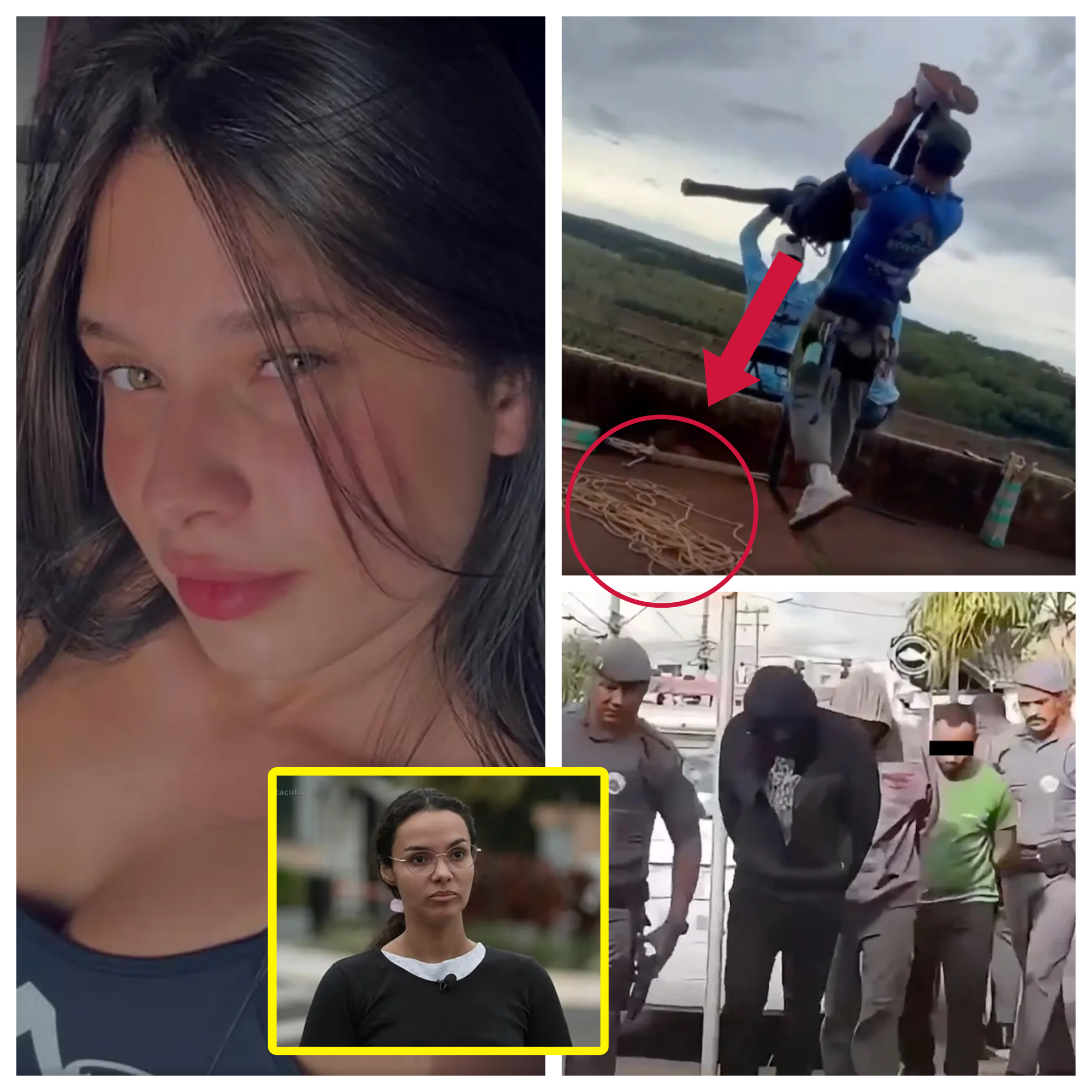
Maria Eduarda Rodrigues de Freitas stepped onto the edge of the abandoned Ponte do Esqueleto — known locally as the Skeleton Bridge — in Limeira, São Paulo, on June 13, 2026, full of excitement and trust. The 21-year-old recent graduate in physical education and sports management had come for an adrenaline rush with her fiancé and friends. What unfolded next was a horrifying lapse in basic safety that cost her life and exposed the dangers of unregulated extreme sports operations in Brazil.
Video footage captured the moment staff carried Maria in a dramatic Superman-style launch — arms outstretched, body horizontal — before hurling her from the railway bridge. Onlookers screamed in terror as the safety cord lay unused on the ground. No one had attached it to her harness. Maria fell approximately 40 meters (130 feet) onto the rocky terrain below, a drop that should have been cushioned by professional equipment.
Remarkably, Maria did not die on impact. She was still breathing, with a faint but detectable pulse when help reached her. Rayza Gabrieli Dias Delfino, a 26-year-old off-duty nurse who had been waiting her own turn to jump, sprang into action without hesitation. She navigated the steep, muddy slope using only a single rope for support, scraping her hands badly in the process, determined to reach the young woman.
Upon arriving at Maria’s side, Rayza found her conscious enough to respond. In an emotional interview with Domingo Espetacular, the nurse recounted her personal habit of using humor to ease tension in critical situations. “I have a habit of joking and saying, ‘Nobody dies on my shift,’” she explained. Turning to Maria, whom she affectionately called “Duda,” Rayza delivered those same comforting words: “Duda, nobody dies on my shift.” Even though she wasn’t officially working that day, the nurse stayed by her side, performing CPR alongside others while awaiting emergency services.
Despite these desperate efforts and Maria’s initial fight to survive, the injuries proved too severe. She succumbed to polytrauma from the massive fall and was pronounced dead at the scene. Her fiancé, who witnessed the entire tragedy, collapsed in shock and required medical attention himself. The loss devastated her family, with her mother Valdenia Rodrigues posting a raw message of grief: the “damned rope” had taken her princess away forever.
The incident quickly sparked outrage and swift law enforcement response. Three instructors from the informal group “Entre Cordas” were arrested and charged with qualified homicide, acknowledging that the safety rope was not attached but claiming uncertainty over responsibility. Authorities detained up to six people connected to the unlicensed operation. Police highlighted the complete absence of permits, proper equipment checks, and safety protocols at the abandoned bridge site. Two staff members even fled into the woods, requiring a police helicopter search to apprehend them.
Maria had documented the day on social media with lighthearted stories, including one ominously asking, “Who was the crazy person who let me jump off a bridge?” Hours later, that thrill turned fatal. As a passionate young woman pursuing dreams in sports and education, her vibrant personality shone through in her posts and the memories shared by loved ones. The tragedy has ignited broader discussions about the risks of gray-market adventure tourism, where flashy social media promotions often mask inadequate training and oversight.
This case serves as a painful lesson on the fragility of safety in high-risk activities. Standard protocols demand multiple verifications, redundant systems, and licensed operators — none of which were present here. Maria’s story resonates deeply because it was so preventable: a single forgotten connection, ignored warnings from bystanders, and a system that prioritized thrills over lives.
Rayza Dias’s words, spoken in the chaos of that muddy ravine, have touched millions. They represent a final act of humanity — a nurse extending comfort and hope to a stranger in her darkest moment. “I even talked to her,” Rayza recalled emotionally, describing the difficult descent and her determination to help. In the face of unimaginable negligence, one person chose compassion.
As investigations proceed and calls grow for stricter regulations on extreme sports across Brazil, Maria Eduarda Rodrigues de Freitas’s memory endures. A young woman who embraced life with energy and joy deserved better than a fatal oversight. Her passing underscores the urgent need for accountability, proper licensing, and a cultural shift toward genuine safety in adventure activities worldwide. May her story prevent others from suffering the same fate, and may she rest in eternal peace.