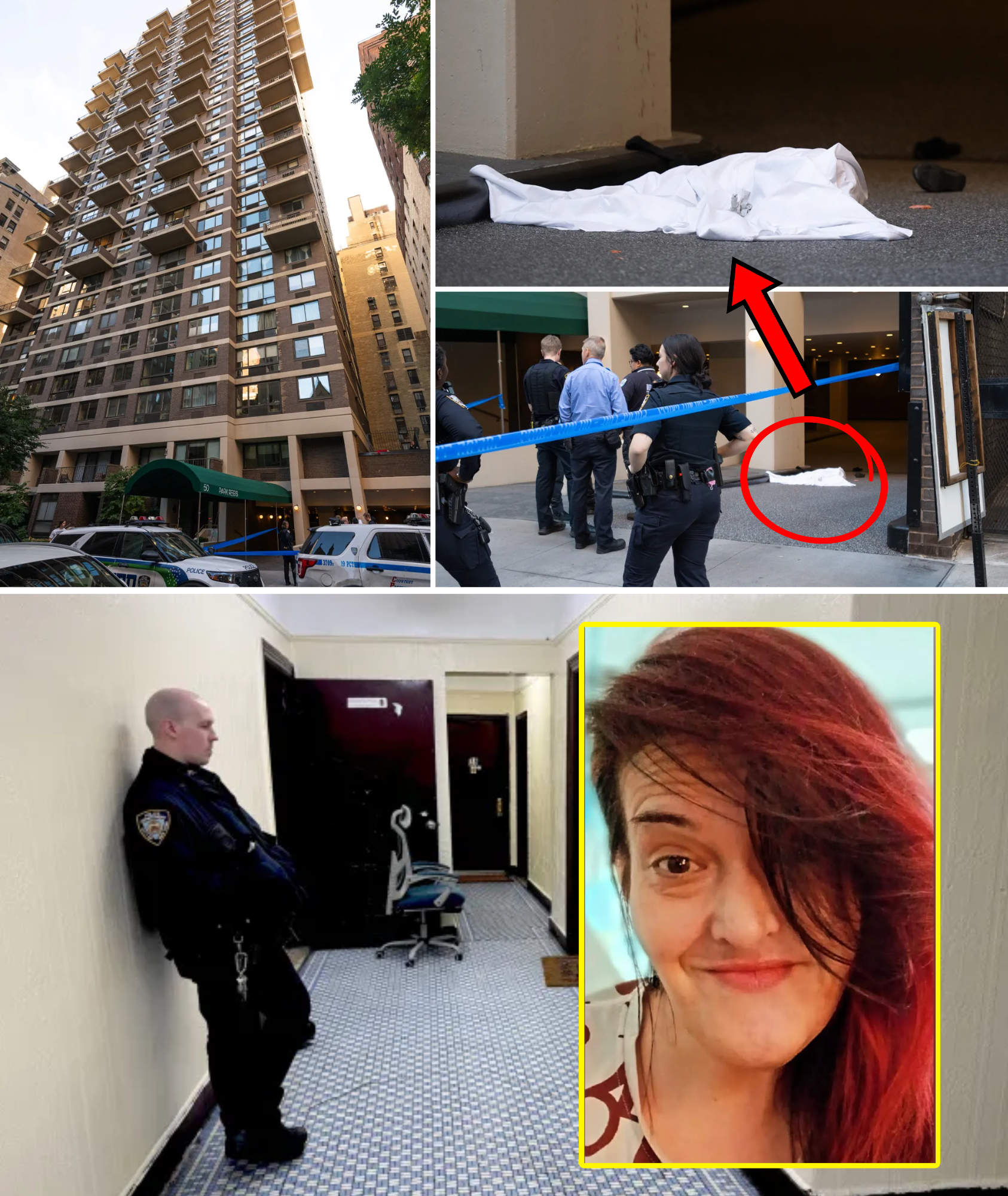
A 50-year-old Bronx resident named Susan Longton was found dead inside her apartment on Featherbed Lane near Jerome Avenue in the Morris Heights neighborhood, sparking an active investigation by the NYPD after authorities responded to a family-requested wellness check that quickly turned grim. On Saturday, January 17, 2026, at approximately 9:39 a.m., officers from the 46th Precinct arrived at the multi-unit building following the 911 call and discovered Longton unresponsive and face up in her bedroom. Visible trauma marked her head and body, with sources close to the investigation describing extensive bruising on her face, arms, and knees—indicators that pointed toward possible foul play rather than a simple medical collapse.
Emergency medical services pronounced Longton dead at the scene without any resuscitation attempts, and her body was removed for transfer to the New York City Office of Chief Medical Examiner. An autopsy is underway to establish the precise cause and manner of death, though preliminary observations have heightened concerns of homicide. No arrests have been announced, and police have withheld details on whether evidence of a struggle, defensive wounds, or forced entry was present in the apartment. The lack of immediate suspects has left the case wide open, with detectives canvassing the building, interviewing residents, and reviewing any security cameras that might cover hallways, entrances, or nearby streets.
Longton had lived in the building for about two years, maintaining a low-key existence that endeared her to some neighbors while keeping her largely out of the spotlight for others. John Smith, a 50-year-old resident, told reporters she was “quiet, stayed to herself, no problem around here,” reflecting the general sentiment that she avoided conflict and blended into the daily rhythm of the complex. Chris Sandford, 39, who became acquainted with her shortly after both moved in, described a warmer connection: “She was always really nice.” He recalled moments when Longton appeared unwell—using a cane for support or carrying an oxygen tank—suggesting underlying health challenges, possibly respiratory or mobility-related, though he stressed he never knew the specifics of any diagnosis.
The wellness check originated from concerned family members who had been unable to reach her, a detail that underscores how her death might have gone unnoticed longer without their intervention. In a dense urban setting like Morris Heights, where residents often keep to their own routines, such delays are not uncommon, yet the visible injuries have transformed this into a potential crime scene rather than a tragic but natural passing. Police have not confirmed whether Longton lived alone, had recent visitors, or if anyone in the building reported hearing disturbances the night before or early that morning.
The discovery has rippled through the community, prompting residents to question the security of their own apartments in a neighborhood already grappling with sporadic violent incidents. While Morris Heights is not typically ranked among the Bronx’s most dangerous areas, the idea of a woman being attacked—or succumbing amid unexplained trauma—in the supposed safety of her home has unsettled many. Some neighbors have begun double-checking locks, sharing contact information more readily, and paying closer attention to unfamiliar faces in the hallways.
Investigators continue to piece together Longton’s final hours. Phone records, potential witness accounts from the building or street level, and forensic analysis of the apartment will likely prove crucial. The bruising pattern, as described in leaks to media outlets, suggests repeated blows or an assault rather than a single fall or accident, though only the medical examiner’s full report can clarify whether the injuries were inflicted by another person or resulted from a medical event complicated by a tumble. Sources have emphasized that the case remains fluid, with every possibility—from homicide to accidental death—still under consideration until evidence narrows the field.
This incident echoes other recent Bronx cases where seemingly isolated deaths later revealed layers of interpersonal conflict or hidden vulnerabilities. For Longton’s family and friends, the wait for answers is agonizing, compounded by the public nature of the reporting and the speculation filling social media and local news cycles. Authorities have renewed calls for information, urging anyone who saw Longton in the days leading up to January 17, noticed unusual activity around her apartment, or possesses doorbell camera footage from the area to contact the NYPD tip line.
As the autopsy proceeds and detectives chase leads, the apartment on Featherbed Lane remains a focal point of quiet grief and growing unease. Susan Longton, once just another face in the building, now symbolizes how fragile everyday safety can be. The bruises on her body serve as silent testimony to an end that was anything but peaceful, leaving neighbors, family, and an entire precinct searching for the truth behind her final moments.