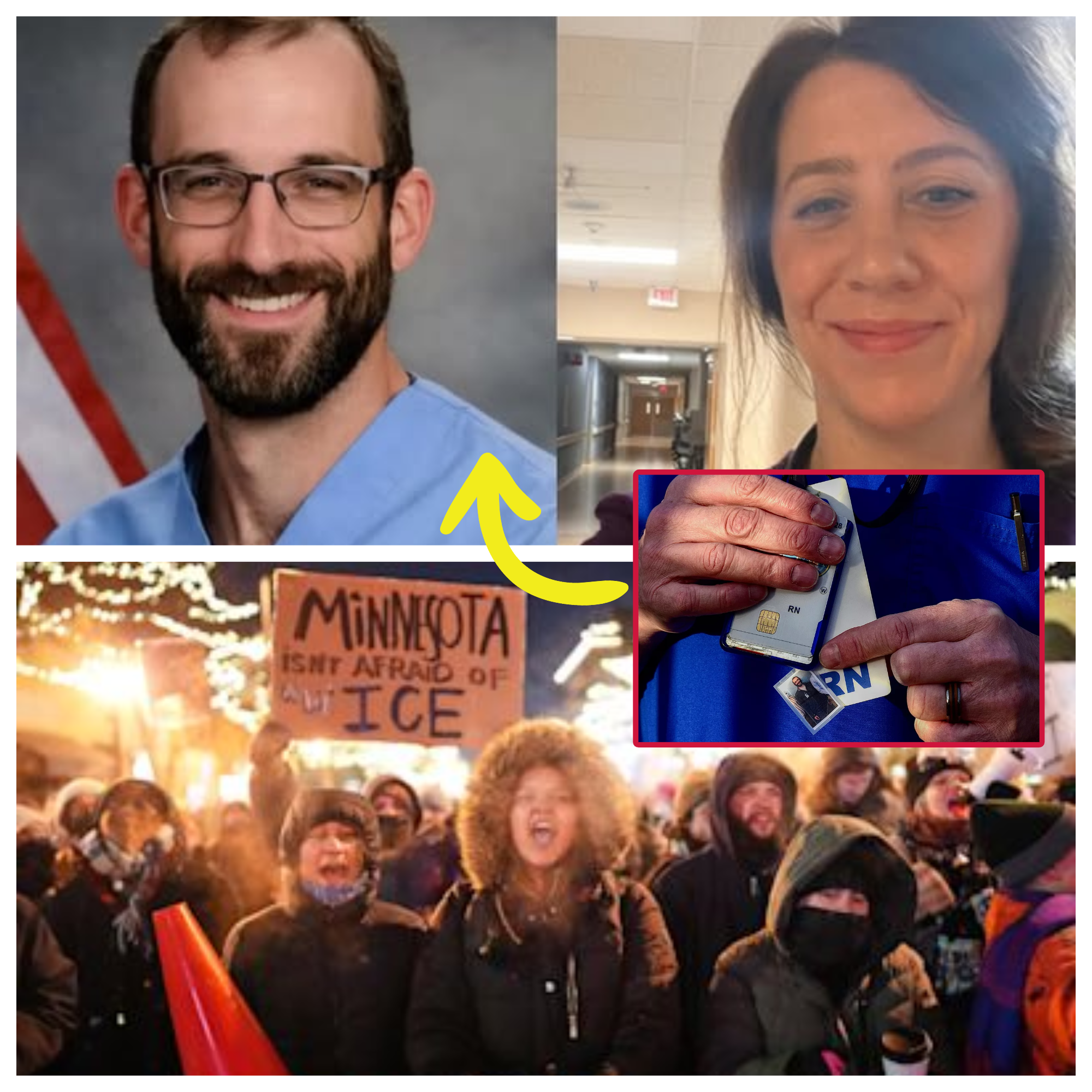
The tribute from Alex Pretti’s final nursing student has spread rapidly across social media and news outlets, offering an intimate portrait of the 37-year-old ICU nurse in the months leading up to his death on January 24, 2026. In a poignant letter shared widely on platforms like Reddit’s r/nursing subreddit and amplified by commentators, the student—identified in some reports as Jessica Hauser—described four intense months of capstone preceptorship at the Minneapolis VA Hospital. During this time, Pretti guided her through the high-stakes world of critical care, teaching hands-on skills that go beyond textbooks: managing arterial and central lines, juggling multiple IV infusions of life-sustaining medications, and monitoring every vital sign with unwavering vigilance. These were not abstract lessons; they were the daily rituals of preserving life in the ICU, where every decision could mean the difference between survival and loss.
Pretti’s approach stood out for its blend of technical precision and deep empathy. The student recalled his steady patience, the calm that radiated from him even during chaotic shifts, and the compassion that never wavered. “Alex carried patience, compassion and calm as a steady light within him,” she wrote. That light, she noted, shone through unmistakably in the final moments captured on bystander video during the confrontation with federal agents. Amid chaos—pepper spray, physical struggle, and escalating tension—Pretti’s signature composure remained. His last recorded words, directed toward a woman who had been pushed to the ground, were simple yet profound: “Are you okay?” In those words, the student saw the essence of the man who had mentored her: someone whose core was caring for others, incapable of intentional harm.
The preceptorship had forged a close bond. Pretti was not just an instructor but a friend, someone who shared knowledge generously while fostering confidence in a novice entering one of healthcare’s most demanding fields. The ICU at the Minneapolis VA, serving veterans with complex needs, demands resilience and emotional depth. Pretti excelled in both, drawing from his own path—from research scientist to registered nurse licensed in 2021—to instill a sense of purpose. He emphasized that healing extended beyond procedures to human connection, a philosophy that resonated deeply with his student. She stood shoulder-to-shoulder with him, absorbing techniques designed to heal, watching how he navigated the emotional weight of caring for the sickest patients while maintaining his own steady presence.
News of Pretti’s death sent shockwaves through the nursing community. Colleagues at the VA and beyond mourned a dedicated professional known for his quick humor, infectious spirit, and commitment to veterans. Dr. Dmitri Drekonja, who worked alongside him, called him an “outstanding” nurse—diligent, respectful, and always ready with a lighthearted comment to ease tension. Dr. Aasma Shaukat, who had hired Pretti years earlier for research before he transitioned to nursing, highlighted his kindness, compassion, and strong civic duty. The American Nurses Association issued a statement expressing deep disturbance and sadness, calling for a full investigation while noting the broader implications for nurse safety amid rising incidents involving law enforcement.
The student’s tribute adds a personal layer to these remembrances. It humanizes Pretti beyond the headlines of a controversial shooting during immigration enforcement protests. She portrayed a man guided by principles of healing and justice, someone who believed in constitutional rights—including the Second Amendment—and advocated for peace through communication and connection rather than division. Pretti spoke out when he felt compelled, not from obligation but from a conviction that people are more united than separated. This belief aligned with his professional ethos: in the ICU, division between life and death is bridged through care, not conflict.
The letter’s emotional resonance stems from its timing. Written in grief shortly after January 24, it contrasts Pretti’s life of service with his violent end. The student emphasized that he “lived a life of healing, and he lived it well.” His inability to cause harm was not naivety but conviction—evident in his final act of concern for another’s well-being. This detail has struck a chord, especially as videos of the incident circulate, showing Pretti holding his phone (likely recording) and attempting to assist amid the scuffle, without brandishing a weapon as some official accounts initially suggested.
Broader tributes have echoed the sentiment. Family statements described him as a “kindhearted soul” devoted to family, friends, and veterans. Vigils across Minnesota honored his memory, with nurses and healthcare workers gathering to mourn one of their own. Unions like the American Federation of Government Employees and National Nurses United framed his death as a loss to the profession and a call for accountability. The VA itself held an honor walk, a ritual typically reserved for deceased veterans, adapted to pay respects to their fallen colleague.
Pretti’s legacy extends through those he trained. His student now carries forward the skills and values he imparted—techniques to heal, but also the mindset of compassion under pressure. In the ICU, where every heartbeat matters, Pretti taught that calm presence can be as vital as any intervention. His final question—“Are you okay?”—serves as a haunting reminder of that ethos, a question asked not just in clinical settings but in moments of crisis.
As investigations continue and debates rage over the events of January 24, the student’s words cut through the noise. They remind the world of a man defined by care, not controversy. Alex Pretti mentored in life and, through his student’s tribute, continues to teach in death: that healing, empathy, and standing for what is right endure beyond any single moment. His light, as she described, still shines—for those he saved, those he taught, and those now inspired by his example.