The Hallway Stand That Cost Her Life: Mother Reveals Final Moments of Khimberly Zavaleta’s Deadly Confrontation.
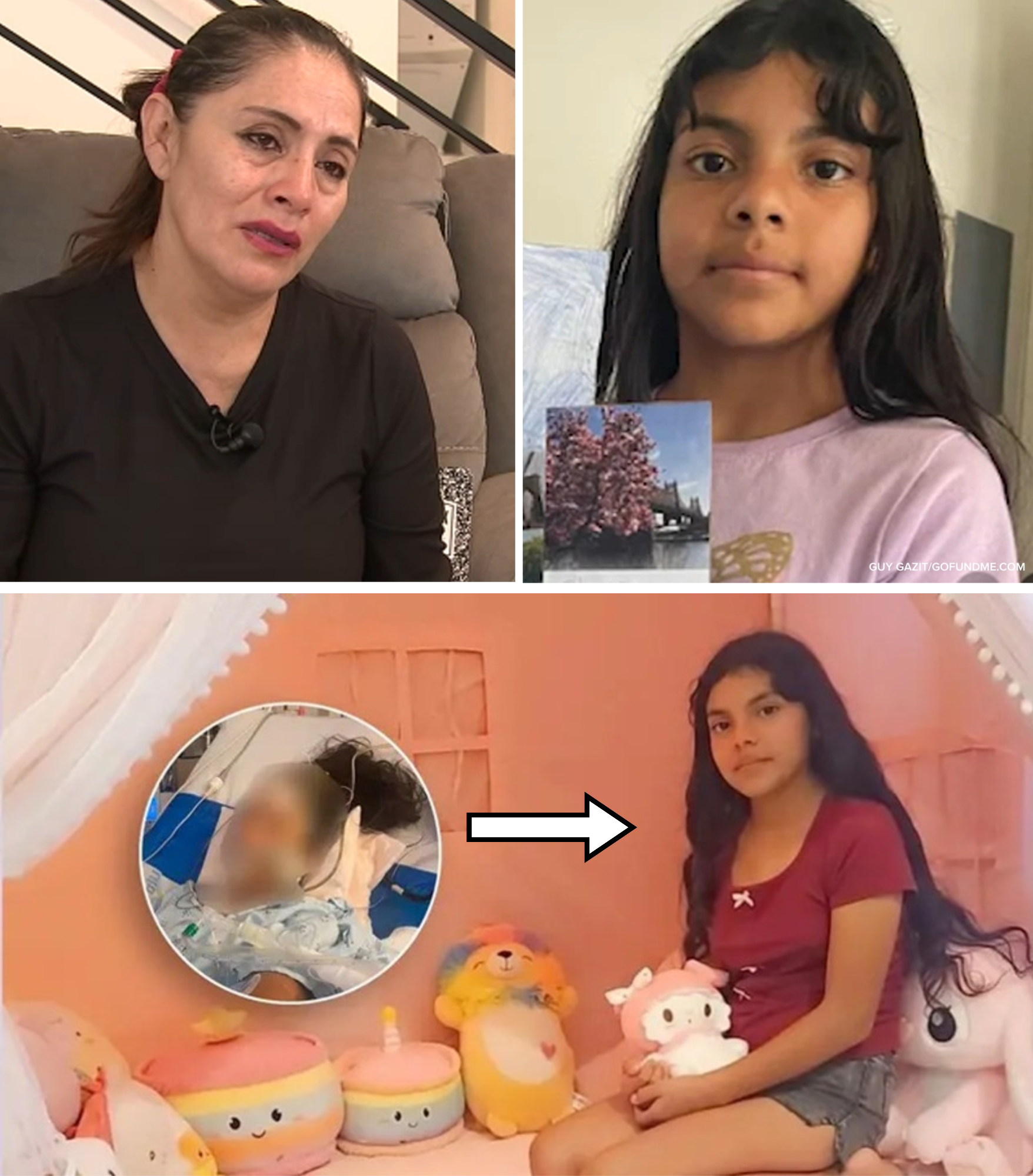
Elma Chuquipa’s voice trembles as she recounts the last day she saw her daughter alive. Khimberly Zavaleta Chuquipa, a 12-year-old sixth grader at Reseda Charter High School in Los Angeles, died on February 25, 2026, ten days after a hallway altercation that authorities now investigate as a homicide. Chuquipa’s interviews paint a picture of a brave girl who died protecting her older sister from relentless bullying.
The incident unfolded on February 15 during dismissal at the charter school serving grades six through twelve. Chuquipa described how a group of students—three or four girls and one tall boy—confronted her 15-year-old daughter in the crowded hallway. The harassment turned physical, with pushing and threats. Khimberly, nearby, stepped in without hesitation. She pulled her sister away to shield her from further harm.
“At dismissal time, she was in the school hallway when a tall boy came up to her,” Chuquipa told ABC7 Los Angeles. “He was pushing her, and my daughter told him, ‘What’s your problem with me? Let’s go to the principal’s office and talk about it’—but he ignored her.”
The defiance escalated the situation. Witnesses and family accounts state that someone in the group hurled a metal water bottle, striking Khimberly directly in the head. The impact was severe enough to cause immediate pain, though not immediately recognized as life-threatening. School surveillance captured portions of the confrontation, but the precise moment of the throw was obscured by the crowd.
Khimberly was taken to an emergency room complaining of head pain. Doctors assessed her, prescribed Tylenol for headaches, and discharged her with instructions to monitor for worsening symptoms. In the following days, the hidden damage revealed itself. Intense headaches intensified, followed by vomiting, confusion, and sudden collapse. Scans showed a ruptured blood vessel leading to a catastrophic brain hemorrhage. Emergency brain surgery at UCLA Mattel Children’s Hospital attempted to relieve pressure and stop the bleeding, but the injury proved too extensive. Khimberly was placed in a medically induced coma; brain activity ceased, and she was pronounced dead.
The Los Angeles Police Department opened a homicide investigation, classifying the death as resulting from the blunt-force trauma inflicted during the altercation. The metal water bottle, recovered and preserved as evidence, became crucial. Forensic analysis of touch DNA on the bottle identified a juvenile suspect—a student at the school involved in the initial bullying. While the suspect’s name remains protected due to age, the match shifted the case from reliance on conflicting statements to forensic certainty. Prosecutors evaluate charges ranging from involuntary manslaughter to more serious offenses, depending on evidence of recklessness or intent.
Chuquipa’s grief is compounded by frustration over missed opportunities. She questions why the head injury was not flagged as critical sooner—delayed symptoms masked the severity, a common risk in pediatric blunt trauma. The family also criticizes school oversight, arguing that anti-bullying measures failed to prevent the escalation or intervene effectively. Reseda Charter High has cooperated with police but faced calls for accountability in supervision during high-traffic dismissal periods.
Community outrage has grown. A memorial outside the school features flowers, candles, and student-drawn tributes to Khimberly’s smile and kindness. Protests organized by groups like Valley Walkout and school-specific coalitions demanded justice, better safety protocols, and mental-health resources. Social media campaigns under #JusticeForKhimberly amplified the story, highlighting how everyday school conflicts can turn fatal when objects become weapons.
Attorney Ben Crump and advocates framed the tragedy within broader patterns of unchecked bullying. Khimberly’s protective instinct—pulling her sister to safety—cost her life, yet no immediate disciplinary action reportedly followed the incident. The GoFundMe for funeral expenses and support describes her as gentle, loyal, and full of promise, now a symbol of the consequences when schools fail vulnerable students.
The autopsy, pending full details, is expected to confirm traumatic brain injury from the bottle’s impact as the cause of death. No arrests have been announced publicly beyond the juvenile identification, but the DNA breakthrough provides a clear path forward in juvenile court.
Chuquipa’s interviews underscore the human cost. She sobs describing her “baby” who died shielding family, the pain of burying a child who should have grown up safe. The tall boy’s push, the ignored plea for adult intervention, the thrown bottle—all moments that could have been stopped. Instead, a hallway stand became a fatal one.
The case exposes systemic gaps: dismissal chaos allowing unchecked aggression, dismissal of head injuries in children, and the lethal potential of common items in angry hands. As investigations continue, the family seeks not only justice but change—stricter enforcement against bullying, training to recognize trauma signs, and environments where kids like Khimberly can defend loved ones without paying the ultimate price.
Khimberly Zavaleta Chuquipa’s story ends in tragedy, but her mother’s words ensure it will not fade quietly. A girl who chose courage over silence lost her life in a moment that should never have escalated. Her legacy now demands schools become places of protection, not peril.