The Final Phone Call That Captured 15-Year-Old Miles Young’s Last Moments in a Deadly Ambush.
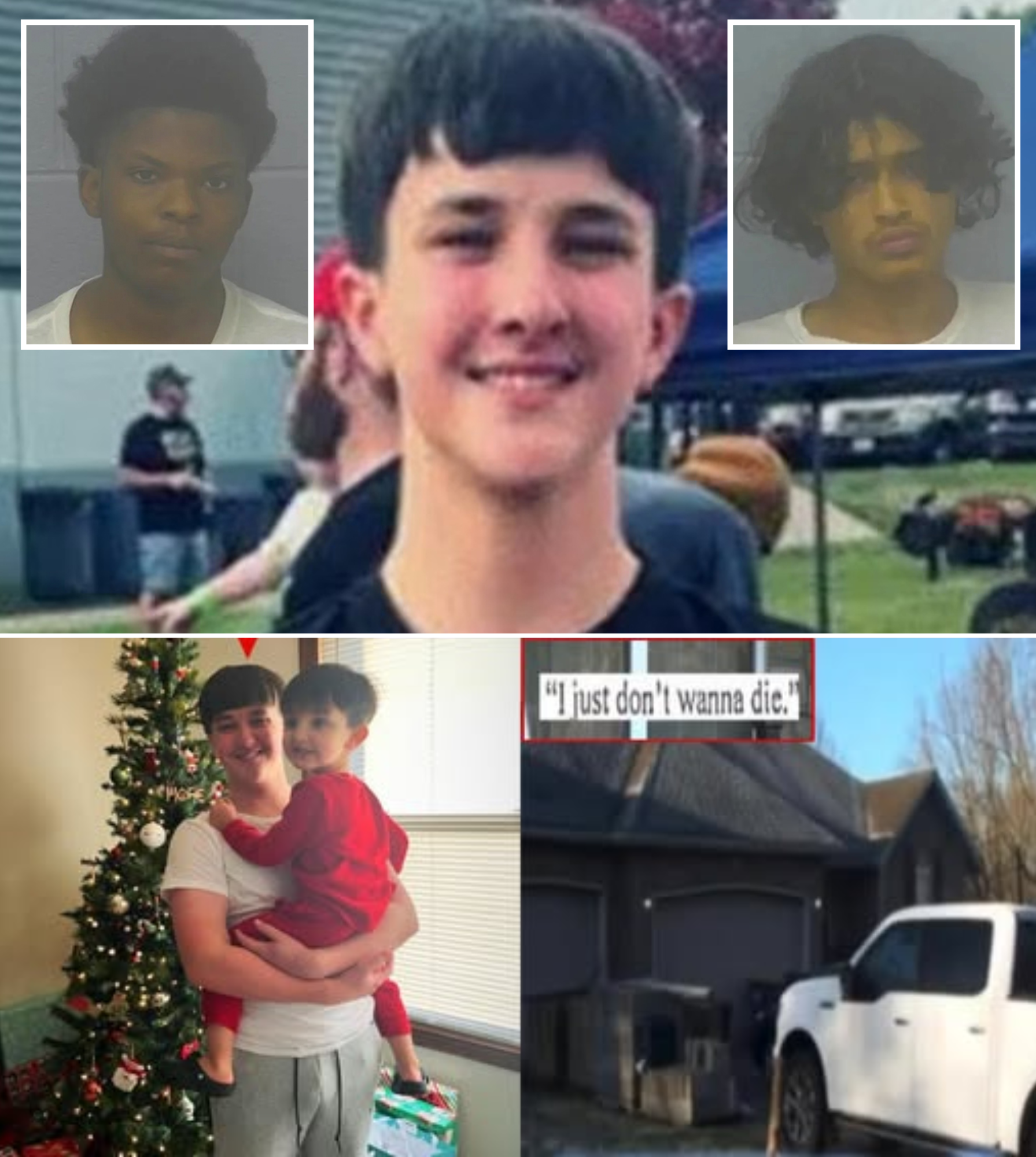
On the night of March 12, 2026, 15-year-old Miles Young from Springfield, Missouri, left his home believing he was about to meet a girl for what he thought would be an intimate encounter. Instead, he stepped into a meticulously planned trap that ended with him pleading for his life as gunfire echoed around him. His anguished final words — “I just don’t want to die” — were captured during a dramatic phone call with a witness and have since become a haunting reminder of a senseless loss.
According to court documents and statements from the Greene County Sheriff’s Office, the setup began when a juvenile female suspect contacted Miles and convinced him to leave his house late at night. She picked him up in a black Mercedes around 2:15 a.m., leading him to believe the two would be alone together. What Miles did not know was that the girl, along with several others including 18-year-old Yefry Archaga-Elvir (a Honduran national) and another 18-year-old suspect Praize King, had been discussing and planning the ambush earlier that evening.
Two of Miles’ friends had even warned him not to go, sensing something was off. They told investigators the girl had previously expressed dislike for Miles and blamed him in connection with a 2025 homicide case where he was expected to testify. Despite the warnings, Miles got into the car.
As the vehicle drove, another car joined and blocked Miles’ path. The situation quickly turned violent. Miles attempted to flee on foot, but the suspects chased him. A witness who was on the phone with Miles during those terrifying moments heard the chaos unfold in real time. The witness reported hearing gunshots, followed by Miles’ desperate cry: “I just don’t wanna die.” Then came the sound of two more shots before the line went silent. The witness later found Miles lying on the ground with a significant amount of blood from a gunshot wound to the chest.
Miles was rushed to a hospital but was pronounced dead shortly after. Prosecutors say Archaga-Elvir chased Miles down and shot him. After the killing, Archaga-Elvir allegedly made a phone call in which he bragged about the murder, according to a probable cause affidavit.
Yefry Archaga-Elvir and Praize King now face first-degree murder and armed criminal action charges. Archaga-Elvir is also being held on a federal immigration detainer requested by ICE, as he is described as an illegal immigrant who had been released into the U.S. years earlier. A juvenile female suspect is also charged in connection with the setup. The case has drawn significant attention, with officials highlighting the premeditated nature of the ambush and the tragic exploitation of a teenager’s trust.
Miles Young was remembered by those who knew him as a typical 15-year-old with his whole life ahead. Friends and family described him as someone full of potential, caught in the wrong place at the wrong time due to a cruel deception. The incident has left his loved ones devastated and sparked widespread discussions about online safety, the dangers of late-night meetups arranged through messages, and the importance of heeding warnings from friends.
The probable cause statement details how the group used multiple vehicles to corner Miles, turning what he believed was a casual rendezvous into a deadly confrontation. The phone call witness provided critical evidence, capturing not only the final plea but also the sequence of events that led to the shooting. Investigators noted that Miles tried to run but was pursued relentlessly until the fatal shot struck him in the chest.
This tragedy has ignited strong reactions across the country. Law enforcement and immigration officials have pointed to the case as an example of preventable violence, while community members mourn the loss of a young life cut short by betrayal. The inquest and upcoming trials will examine the full extent of the planning, the roles of each suspect, and whether any additional charges will be filed.
For parents and teenagers alike, the story of Miles Young serves as a sobering warning. What starts as a simple text or invitation can hide dangerous intentions. Experts urge young people to always share their plans with trusted adults, verify meetups in safe public places, and listen when friends express concern. In Miles’ case, the warnings were there — but the lure proved stronger than caution.
As the legal process moves forward, Miles’ final words continue to echo: a raw, human cry for life that went unanswered in those dark early morning hours. His death has become more than a local crime story — it is a painful illustration of how quickly trust can be weaponized and how fragile safety can be in the digital age.
The family of Miles Young has asked for privacy as they grieve, but the details released so far have already united many in calls for justice and greater awareness. No teenager should ever have to beg for their life because they believed someone wanted to meet them. Miles Young had dreams, friends, and a future that was stolen in a matter of minutes.
In the wake of this heartbreaking ambush, communities are reflecting on how to better protect young people from similar setups. Whether through education on online grooming and deception, stronger parental oversight of late-night activities, or swift accountability for those who orchestrate violence, the hope is that Miles’ story will prevent others from facing the same terror he endured in his final moments.
His plea — “I just don’t want to die” — will not be forgotten. It stands as both a tragic last breath and a powerful call to value every young life and remain vigilant against hidden dangers.