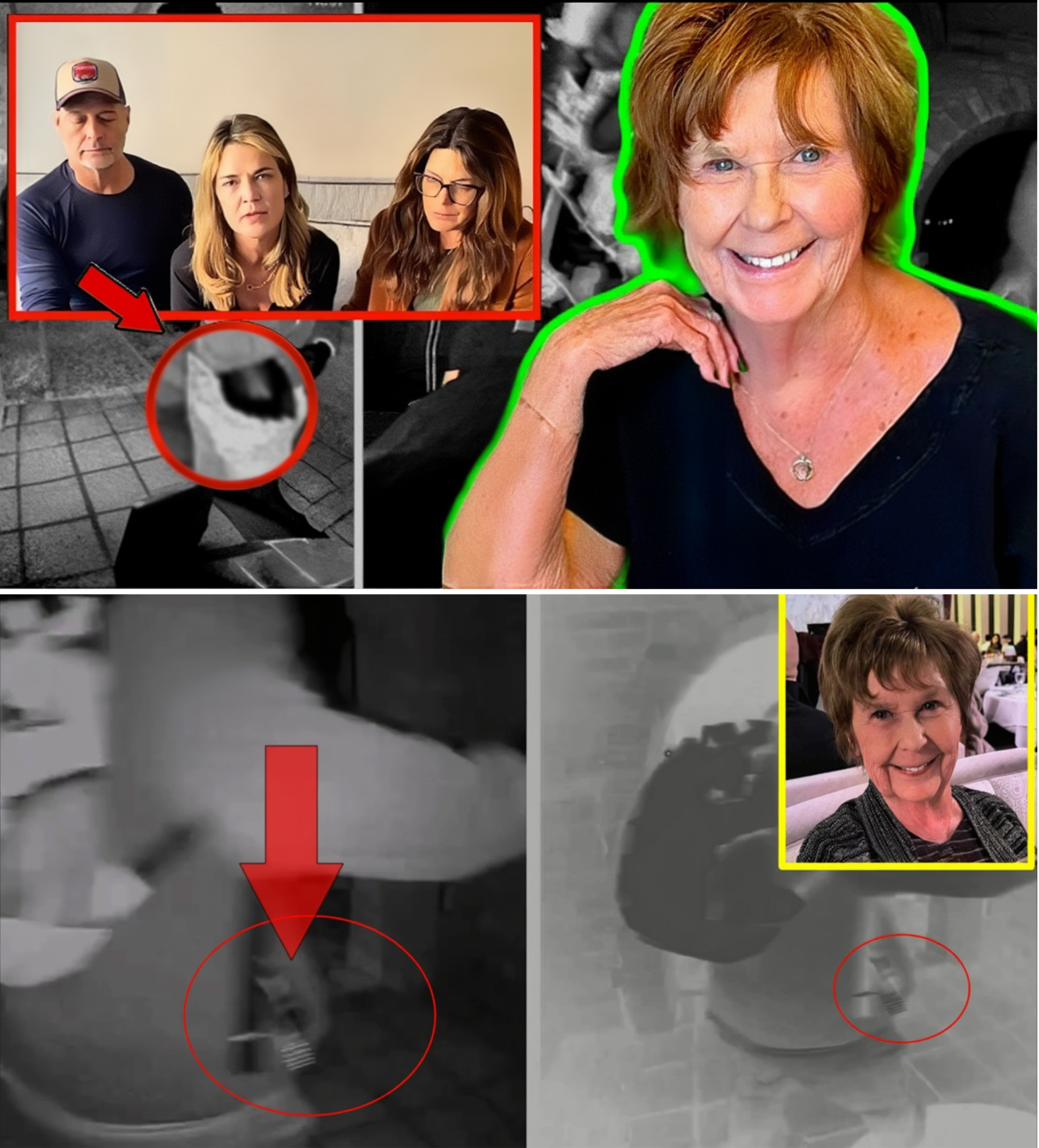
On February 1, 2026, the quiet life of 84-year-old Nancy Guthrie in Tucson, Arizona, shattered without warning. What began as a routine morning check by family members quickly turned into one of the most disturbing missing persons cases in recent memory — a case that now stretches beyond 51 days with no confirmed sightings, no ransom demands, and growing fears that time is running out.
Nancy Guthrie, mother of NBC’s “Today” show co-host Savannah Guthrie, lived independently in her Tucson home for nearly 50 years. She was known locally as a devoted churchgoer, a card-playing grandmother, and a woman who faced health challenges with quiet resilience. Born on January 27, 1942, she suffered from a severe cardiac condition that required daily medication and a pacemaker connected wirelessly to her phone. Those medical realities now sit at the heart of the mystery.
When family members arrived at her home on the morning of February 1, they found a scene that immediately raised alarms. On the kitchen counter lay Nancy’s untouched medications, her mobile phone, her wallet, and her hearing aids — all items she would never voluntarily leave behind. The sheriff’s office later confirmed the gravity: without her daily heart medication for more than 24 hours, her condition could become fatal. That 24-hour window had already passed by February 2.
Even more alarming was the sudden silence from her pacemaker. At precisely 2:28 a.m. on February 1, the device’s wireless connection to her phone was abruptly severed. The FBI responded aggressively, deploying helicopters equipped with long-range Bluetooth tracking technology to scan the surrounding desert. The search yielded nothing but silence. No signal. No trace.
Investigators believe Nancy was taken against her will in a violent and rapid abduction. Traces of blood were reportedly found on the porch, and surveillance footage from her front door — later recovered by the FBI despite apparent tampering — shows a masked, gloved individual carrying what appears to be a holstered weapon. The timing aligns with the pacemaker’s disconnection, suggesting the incident unfolded in the dead of night when Nancy would have been most vulnerable.
As days turned into weeks, the family’s public statements grew heavier. In an official communiqué, Savannah Guthrie spoke through tears, uttering a phrase that struck many as an unspoken acknowledgment of the worst outcome: the family cannot find closure until Nancy “rests in her final place.” The wording, combined with the untouched medications and the pacemaker data, has led many observers to fear the worst, even as authorities continue treating the case as an active kidnapping investigation.
The family has not remained passive. They offered a substantial reward — now exceeding one million dollars in total pledges — and recently donated $500,000 to organizations supporting missing children, signaling both hope and preparation for difficult realities. Relatives, including Savannah and her sister Annie (married to Tomás Ochion), have shared emotional appeals for information while emphasizing the psychological toll of not knowing.
Forensic efforts continue at full speed. DNA analysis from the scene, phone records from January, and genetic genealogy techniques are being pursued. Earlier surveillance from January 11 captured a suspicious individual near the property, raising questions about possible pre-abduction reconnaissance. Construction activity in the Catalina Foothills area is also being scrutinized for potential witnesses.
Pima County Sheriff Chris Nanos and the FBI have coordinated closely, though some public friction has surfaced regarding investigative pace and transparency. Experts, including former NYPD sergeants consulted in media coverage, urge authorities to “pull out all the stops,” noting that the first 72 hours are critical in such cases — a window long since closed.
Theories abound in true-crime communities and on social media. Some speculate a targeted kidnapping possibly linked to the family’s public profile, though no credible ransom demand has materialized. Others point to the possibility of a personal connection, given the precision of the apparent break-in. Comparisons to past Arizona cases, such as the disappearance of Isabel Celis, surface frequently, reminding everyone how desert terrain can conceal evidence for long periods.
Nancy’s daily life painted a picture of gentle routine: attending services, spending time with grandchildren, and maintaining independence despite her health needs. The abrupt abandonment of her essential items paints a portrait of sudden terror — a woman ripped from safety so quickly she had no chance to grab what she needed most.
As the investigation enters its second month, the emotional weight on the Guthrie family is palpable. Savannah has described the anguish of waiting, the flicker of hope for a miracle, and the simultaneous need to prepare for answers that may bring pain rather than relief. Annie left a touching note at a makeshift memorial near the home, underscoring the family’s love and longing.
Public interest remains intense. The case has drawn national attention not only because of Savannah Guthrie’s celebrity but because it taps into universal fears: the vulnerability of elderly parents living alone, the terror of sudden abduction, and the torment of uncertainty. YouTubers and amateur sleuths have flooded platforms with timelines, analyses, and appeals — though some coverage has drawn criticism for insensitivity or unfounded speculation.
Law enforcement continues to appeal for tips. Anyone with information about unusual activity near Nancy’s home in the Catalina Foothills on the night of January 31 to February 1, or sightings of a suspicious vehicle or individual, is urged to contact authorities immediately.
In the end, the Nancy Guthrie case stands as a stark reminder of life’s fragility. An 84-year-old woman who asked for nothing more than to live out her days in peace now occupies the center of a high-stakes search involving federal resources, forensic science, and a family’s broken hearts.
Fifty-one days have passed since that silent 2:28 a.m. moment. The medications still sit untouched on the counter. The pacemaker has never reconnected. And the family waits — hoping against dwindling odds for a safe return, while steeling themselves for the justice they may one day demand.
The desert holds its secrets tightly, but the collective resolve of investigators, family, and a concerned public refuses to let this story fade into silence. Somewhere in the vast landscape around Tucson, answers may still exist. Until they surface, the chilling question remains: what really happened to Nancy Guthrie in the early hours of February 1?
News
Hidden Basement Ritual: What Nancy Guthrie Discovered That Finally Made Savannah Confess Her 30-Year Secret.
Savannah Guthrie has spent nearly three decades in front of millions of viewers as one of America’s most composed and respected television journalists. Co-anchor of NBC’s Today Show, she is…
Fatal Mistake: How Yanking a Ring Camera Exposed a Three-Week Surveillance Operation in Nancy Guthrie’s Disappearance.
On January 31, 2026, 84-year-old Nancy Guthrie vanished from her quiet home in the Catalina Foothills neighborhood of Tucson, Arizona. What began as a missing person case quickly evolved into…
The Apology Note and the Three-Hour Silence: How New Evidence Is Forcing a Re-Examination of Nancy Guthrie’s Disappearance.
On the morning of February 1, 2026, the quiet Catalina Foothills home of 84-year-old Nancy Guthrie became the center of a national mystery. Her daughter Annie arrived to find the…
The Masked Man on Camera Three Weeks Before: How Early Surveillance Footage Reveals Nancy Guthrie’s Abduction Was Carefully Planned.
On February 1, 2026, the peaceful life of 84-year-old Nancy Guthrie in the Catalina Foothills north of Tucson, Arizona, came to a terrifying end. She was last seen returning home…
The Paid Spy Who May Have Handed Over Nancy Guthrie’s Fate: How Insider Information Turned a Quiet Home Into a Trap.
On the night of January 31, 2026, something shattered the peaceful routine of 84-year-old Nancy Guthrie’s life in the Catalina Foothills outside Tucson, Arizona. By the next morning, she was…
The Clues Were Right There All Along: How Inattentional Blindness May Have Hidden Nancy Guthrie’s Kidnapper.
On February 1, an 84-year-old woman named Nancy Guthrie returned home from dinner in the quiet Catalina foothills of Tucson, Arizona. She was never seen again. Her pacemaker sent its…
End of content
No more pages to load