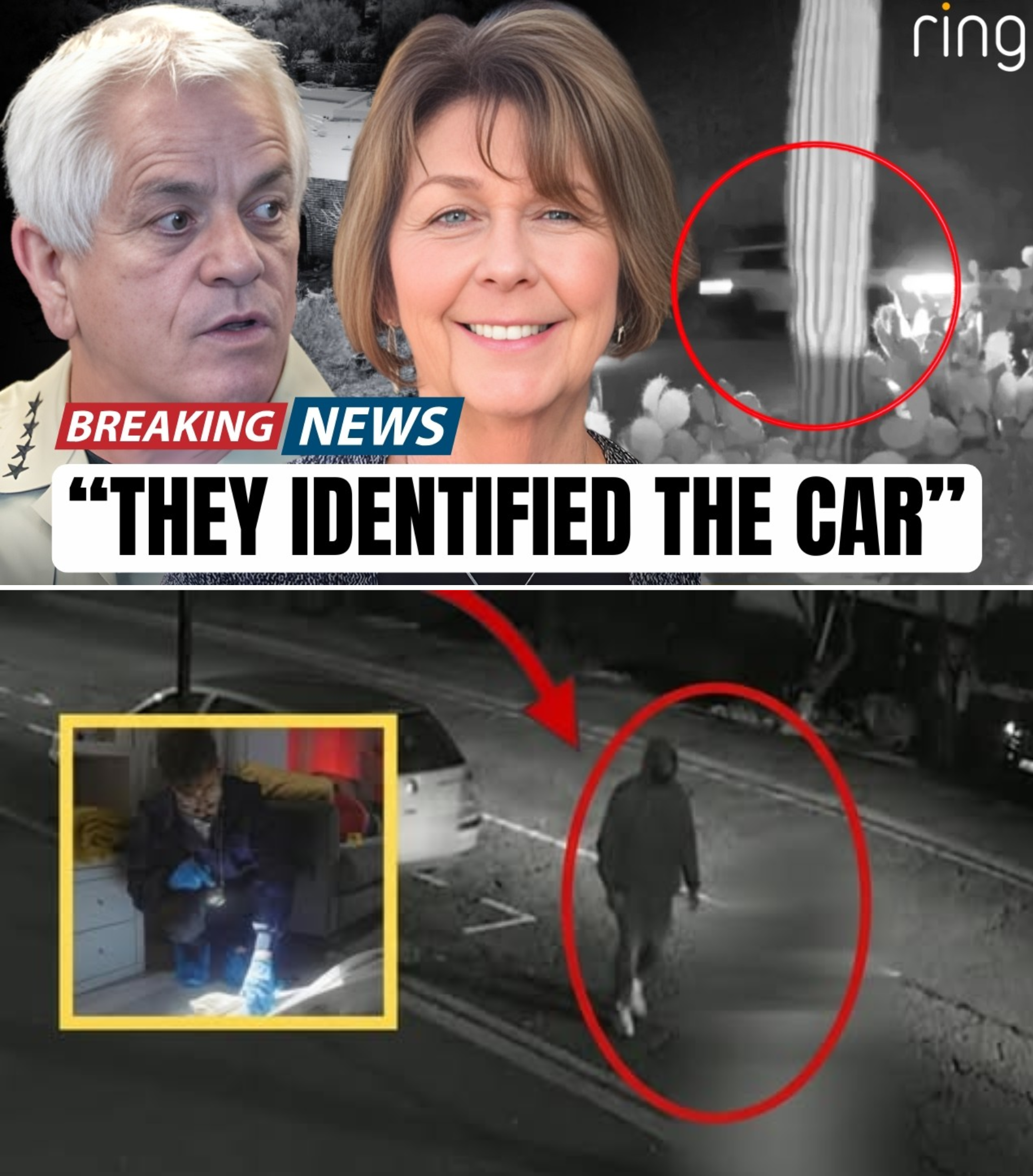
The night of February 1, 2026, remains frozen in time for those following the disappearance of 84-year-old Nancy Guthrie from her quiet home in the Catalina Foothills of Tucson, Arizona. At exactly 2:28 a.m., her pacemaker stopped transmitting data to her paired iPhone—an event medical experts say almost certainly indicates either deliberate disconnection or the device (and likely Guthrie herself) being removed from the Bluetooth range of the phone. Eight minutes later, at 2:36 a.m., a Ring doorbell camera belonging to the Stratigouleas family captured a compact crossover-style vehicle traveling northbound on North Camino Real, a lightly traveled back road that bypasses major intersections and traffic-light cameras.
Retired NYPD detective Pat Brosnan, who has assisted families in high-profile missing-persons cases, examined the low-light footage and concluded the vehicle was most consistent with a Kia Soul—recognizable by its boxy profile, steeply raked rear window, vertical taillight arrangement, and distinctive C-pillar shape. The timing is striking: the Stratigouleas residence is approximately 2.5 miles from Guthrie’s home, a drive that takes roughly six to eight minutes at moderate speed on empty nighttime streets. The route itself is noteworthy: Camino Real is not a primary thoroughfare and lacks the surveillance density of busier arteries, making it a logical choice for someone seeking to avoid detection.
The Stratigouleas family only became aware of the potential significance after piecing together the pacemaker timestamp with their own camera archive. They posted the clip publicly when it became clear that FBI agents, who had conducted door-to-door canvassing within a two-mile radius, had not reached their address. Once the video circulated widely through local news and true-crime forums, the FBI obtained a copy, reviewed it, and—within 12 hours—publicly stated that the vehicles appearing in the footage, including the suspected Kia Soul, were not believed to be connected to Guthrie’s disappearance. The agency cited “analysis of ingress and egress patterns” but provided no further detail on methodology, vehicle registration checks, or owner interviews.
This rapid classification as a “dead end” has sparked widespread criticism. The broader investigation has been described as exhaustive: over 10,000 hours of surveillance video reviewed, more than 21,000 public tips processed, geofencing data analyzed, and a $1 million reward offered for information leading to Guthrie’s safe return or the identification and arrest of responsible parties. Yet a clip with near-perfect temporal alignment and geographic plausibility was dismissed almost immediately. Former FBI profiler Jim Clemente, commenting on similar cases, has noted that in abductions or non-voluntary removals, perpetrators frequently avoid carrying cell phones or other trackable devices, rendering geofencing less effective and making visual leads—such as this one—potentially more valuable.
Additional context has only deepened public unease. On February 2, a neighbor reported seeing a Hispanic male matching the FBI’s released description (approximately 5’9″, short-trimmed beard, silver bracelet, smoking) lingering near an abandoned vehicle on the same stretch of Camino Real. Earlier sightings in mid-January included a man walking slowly and looking around near Guthrie’s property line. FBI-released doorbell footage from January 23 shows an individual walking backward past the home—behavior many interpret as deliberate reconnaissance rather than casual passage.
Guthrie, an active senior known for gardening, volunteering at local food banks, and maintaining close ties with neighbors, had no known enemies or financial troubles that would suggest motive for foul play. Her home showed no signs of forced entry, yet personal items—including her phone—were left behind in a manner inconsistent with voluntary departure. The pacemaker’s sudden silence remains the strongest indicator that something abrupt and external occurred at 2:28 a.m.
Public frustration centers on transparency and follow-through. Why was no public request made for owners of dark-colored Kia Souls (or similar models) in the Tucson area to contact investigators? Why has there been no visible effort to match the footage against DMV records, insurance databases, or license-plate recognition systems? The Stratigouleas family’s independent release of the video underscores how citizen journalism sometimes fills gaps left by official channels.
The FBI continues to characterize the investigation as active and ongoing, urging anyone with information to call 1-800-CALL-FBI or submit tips online. Detectives emphasize that even small details—such as seeing a Kia Soul or similar vehicle in the Catalina Foothills between 1 a.m. and 3 a.m. on February 1—could prove critical.
As the case stretches into its second month, it has become a lightning rod for discussions about investigative priorities, the value of citizen-generated evidence, and the emotional toll on families when leads appear to be closed prematurely. Community vigils continue, social media groups dissect every frame of available footage, and a growing number of observers question whether the eight-minute window between the pacemaker flatline and the passing Kia Soul truly deserves to be labeled irrelevant.
For Nancy Guthrie’s loved ones and a concerned public, those 480 seconds remain the most haunting piece of the puzzle—an ordinary car on an ordinary road at an extraordinary moment, dismissed too quickly for many to accept.