Teenage Hate: How Cain Clark and Caleb Velasquez’s Suicide Note and Stolen Guns Exposed a Chilling Plot Outside San Diego Mosque.
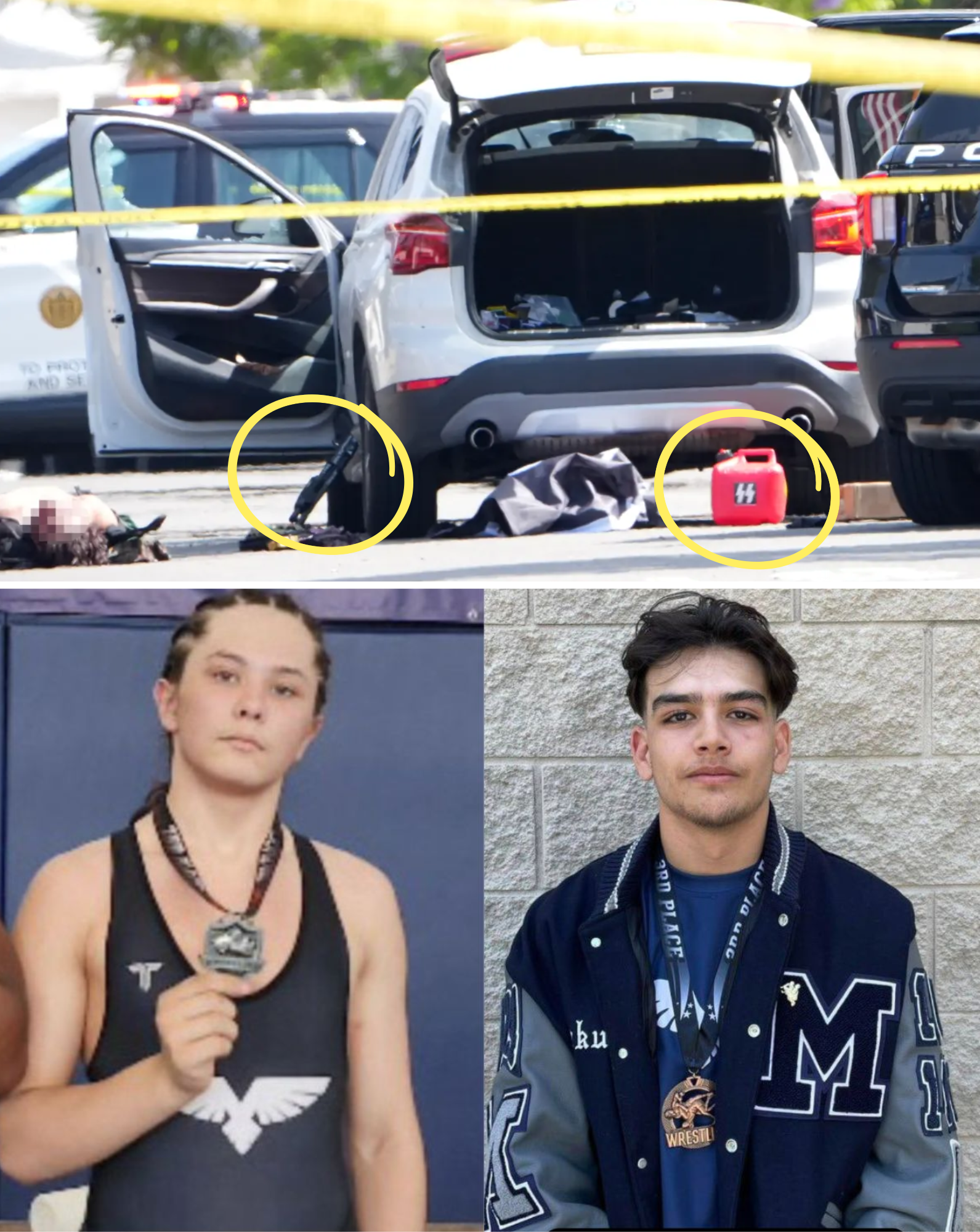
On May 18, 2026, the Islamic Center of San Diego — the largest mosque in San Diego County — became the scene of a horrifying targeted attack. Three men, including a longtime security guard hailed as a hero, were fatally shot outside the building during what should have been a peaceful day. The two teenage suspects, identified as 17-year-old Cain Clark and 18-year-old Caleb Velasquez, were later found dead in a car just blocks away from self-inflicted gunshot wounds. Authorities are investigating the incident as a possible hate crime, with anti-Muslim messages scrawled on weapons and a suicide note recovered that referenced “racial pride.”
The attack unfolded rapidly in the Clairemont neighborhood. Police responded to reports of an active shooter around midday. Officers arrived to find three adult male victims with gunshot wounds outside the front of the Islamic Center. One victim was a security guard who reportedly shielded worshippers and staff, potentially preventing even greater loss of life. A fourth person, a landscaper working nearby, was shot at but survived. Inside the mosque and attached school, children and adults were quickly evacuated in single-file lines under heavy police escort as the area was locked down.
Cain Clark and Caleb Velasquez were named by multiple law enforcement sources. Clark, a former student at Madison High School and standout wrestler, had reportedly been the subject of a missing person report earlier that morning. His mother contacted police, stating her son was suicidal, armed, and had taken weapons from the family home. At least one of the suspects left a suicide note containing references to racial pride. Anti-Islamic writings were also discovered inside their vehicle, a BMW, along with hate-filled messages inscribed on the weapons used in the attack.
Both teens died from apparent self-inflicted wounds. They were found dressed in camouflage clothing. The rapid timeline — from the mother’s report to the shooting and their discovery nearby — suggests the attack was planned but executed quickly. Investigators are examining online activity, school records, and possible radicalization influences, though no manifesto has been publicly detailed beyond the suicide note. The Islamic Center was hosting normal activities on the first day of Dhul Hijjah, a sacred month for Muslims, making the timing particularly devastating.
The victims have been remembered with profound grief. The security guard, identified in reports as Amin Abdullah, was a father of eight who had protected the community for years. Another victim was a staff member at the Islamic school on the grounds. Community leaders and first responders praised the guard’s actions as pivotal in limiting casualties. Vigils formed quickly, with mourners gathering to honor the dead and condemn hate. San Diego Police Chief Scott Wahl confirmed the details at a briefing, emphasizing the investigation’s focus on motive while urging calm.
This tragedy has sent shockwaves through San Diego’s diverse community. The Islamic Center serves thousands and includes a school, making the attack feel deeply personal. Muslim leaders called for unity and increased protection at places of worship. Broader questions have emerged about youth radicalization, access to firearms in homes with troubled teens, and the role of online echo chambers in fueling hate. Clark’s background as a wrestler and Velasquez’s limited public profile have left neighbors stunned, with one describing Clark as “a shock” to those who knew him.
Law enforcement recovered critical evidence from the suspects’ car, including writings that pointed to anti-Muslim ideology. The suicide note and weapon inscriptions are being analyzed for connections to any groups or manifestos. No prior criminal records have been highlighted for either teen, raising alarms about undetected warning signs. California’s strict gun laws contrast with the ease of taking firearms from a family home, prompting renewed debate on secure storage and mental health intervention for minors.
The response from officials has been swift. Schools near the mosque were placed on lockdown during the incident. Federal authorities, including the FBI, are assisting in the hate crime investigation. President and local politicians issued statements condemning the violence and offering support to the Muslim community. Interfaith groups organized solidarity events, emphasizing that hate has no place in San Diego.
For the families of the victims, the pain is immeasurable. The security guard’s children lost a protector and father. The mosque community lost pillars who helped keep it safe and welcoming. As funerals are planned, the focus remains on healing while demanding answers about how two teenagers reached this point of deadly extremism.
Experts note that attacks on mosques, though rare in the U.S., often follow patterns of lone-actor or small-group radicalization fueled by online content. The age of the suspects — still minors — adds another layer of tragedy and urgency for prevention programs in schools and homes. Mental health professionals stress the importance of recognizing suicidal ideation combined with hate-filled rhetoric as a critical red flag.
As the investigation continues, San Diego mourns three lives senselessly taken and grapples with the reality that hate can strike even in a city known for diversity and inclusion. The stolen guns, suicide note, and anti-Muslim writings paint a disturbing picture of premeditation rooted in ideology. Yet the heroics of the security guard remind everyone that courage and community can push back against darkness.
The Islamic Center has vowed to remain open and stronger, turning grief into resolve. For now, a city holds its breath, honors the fallen, and searches for ways to ensure no place of worship ever becomes a target again. The names Cain Clark and Caleb Velasquez will forever be linked to this day of sorrow — a stark warning that the roots of hate can grow unnoticed until it is too late.