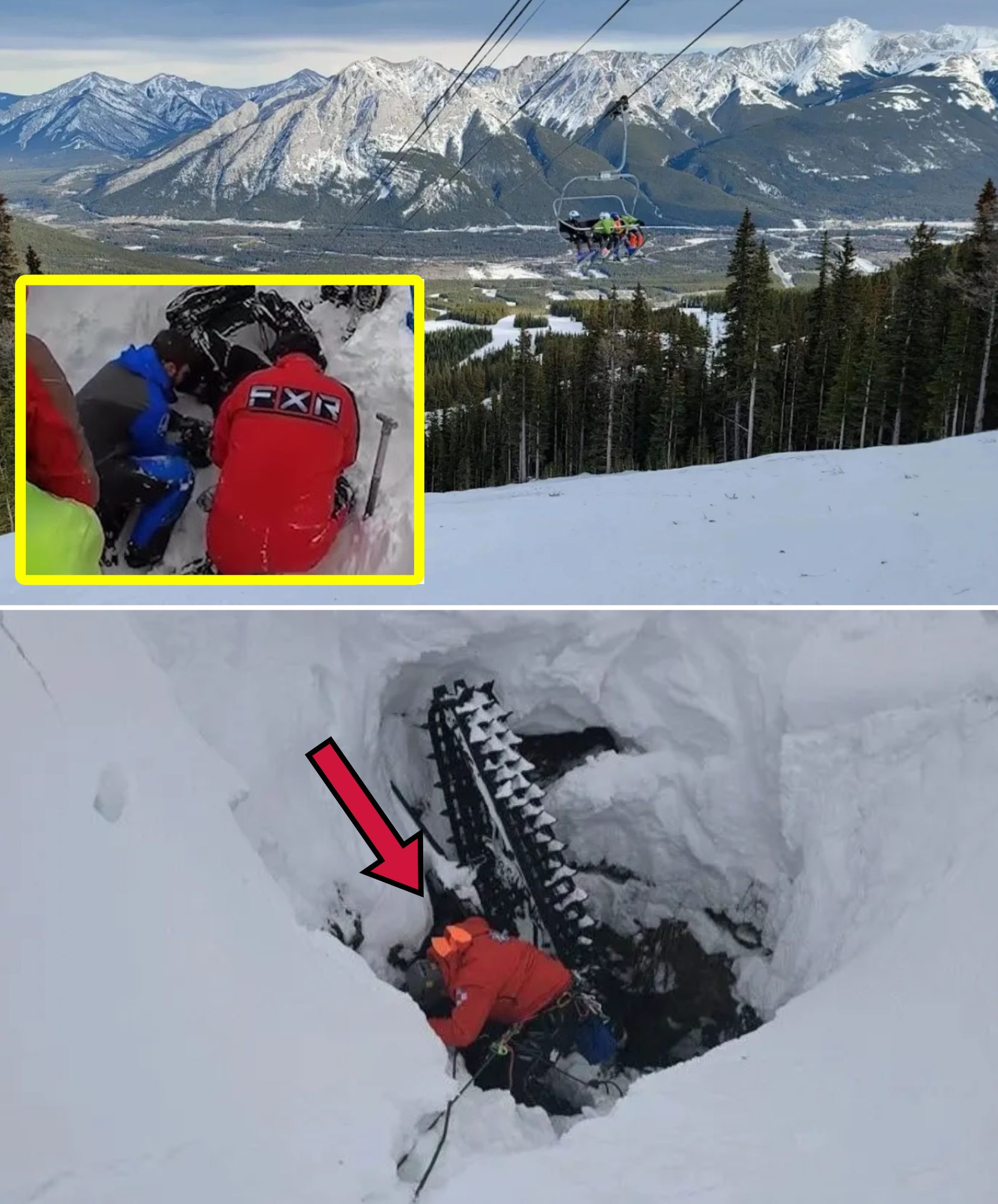
Emergency calls flooded in just before 1 p.m. on February 27, 2026, reporting an avalanche near Nakiska Ski Area in Alberta’s Kananaskis Country. Two teenage skiers had been swept away while ascending a slope on foot, a common practice known as bootpacking for training or accessing off-piste terrain. One 15-year-old managed to dig himself out or was carried to the surface by the slide’s force, but his companion remained trapped beneath the snow.
Cochrane RCMP, alongside avalanche rescue specialists, search dogs, and helicopter support, launched an immediate operation. The buried skier was located after tense minutes that felt like hours, pulled out unresponsive and rushed by emergency medical services to Alberta Children’s Hospital in Calgary. Despite aggressive treatment for trauma, hypothermia, and asphyxiation injuries typical in burial scenarios, the 15-year-old Calgary resident—later named as Emilio Hrazdira—succumbed to his injuries early on February 28.
The Alberta Alpine Ski Association quickly confirmed both boys as members of its competitive programs, underscoring the loss of a talented young athlete dedicated to the sport. Nakiska has long served as a premier training ground, hosting national-level camps and races with its reliable snow and challenging terrain. The association’s statement captured the collective grief: “We are heartbroken and profoundly saddened by this tragic loss of life,” while thanking first responders for their dedication.
Details emerged that the pair likely triggered the avalanche themselves, a frequent cause in human-involved incidents according to Avalanche Canada advisories. Bootpacking uphill compacts snow and adds stress to weak layers, especially if recent wind-loading or warming trends have created unstable slabs. Though exact bulletin ratings for that day remain under review, late February in the Canadian Rockies often features considerable hazard from wind slabs or persistent weak layers buried deeper in the snowpack.
Survivors of avalanches describe the terrifying sensation of being tumbled like laundry in a dryer, disoriented and powerless as snow fills every space. Burial depth, duration, and air pocket availability determine outcomes—statistics show survival drops sharply after 15-30 minutes without air. In Emilio’s case, the time under snow proved too long, despite the heroic rescue effort.
The surviving teen, also 15 and unharmed physically, faces profound emotional trauma. Witnesses and teammates have spoken of the close-knit group dynamic among young racers, where training partners become like family. Counselors have been made available through the association and local schools, including Queen Elizabeth High School, which Emilio attended.
This incident revives urgent conversations about avalanche safety education for youth athletes. While resort boundaries offer groomed, controlled runs, ambitious teens sometimes venture near or into adjacent backcountry for better training snow or thrills. Programs like Avalanche Canada’s youth modules stress transceiver use, probe practice, shovel skills, and group decision-making, yet experts note that overconfidence or peer pressure can override caution.
Nakiska officials reiterated that the slide occurred in a closed or restricted zone, highlighting the importance of respecting signage and boundaries. Resort management expressed sorrow and committed to reviewing protocols, though primary responsibility often falls on individual awareness in uncontrolled terrain.
Tributes have poured in online and at the mountain. Teammates shared memories of Emilio’s dedication, smile, and competitive spirit. “He lived for the slopes,” one post read. Community fundraisers have launched to support the family and raise awareness for avalanche safety gear and training scholarships in his name.
Broader implications ripple through Canada’s alpine community. With climate shifts altering snow stability patterns—warmer storms loading slopes faster or rain crusts creating weak interfaces—fatal incidents persist despite advances in forecasting. Avalanche Canada issues daily bulletins, but personal judgment remains key.
For Emilio’s family, friends, and the tight-knit world of alpine racing, the pain is raw and ongoing. A young life full of promise ended in seconds under white silence. As investigations continue and memorials grow, the tragedy serves as a somber reminder: even in passion’s pursuit, nature demands respect and preparation. The mountains that give joy can claim it in an instant, leaving behind questions, grief, and a call to honor the lost by skiing safer.