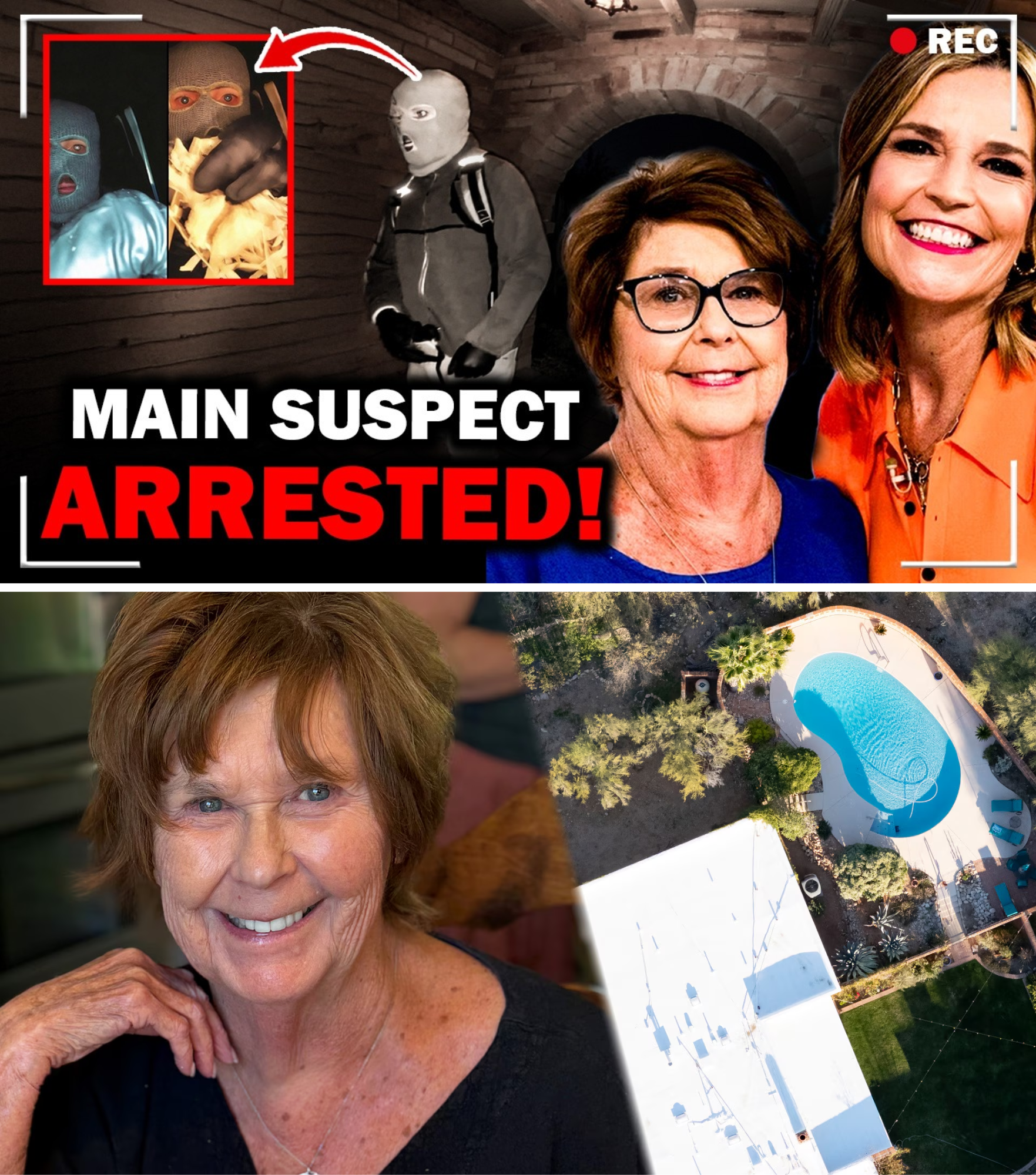
A major breakthrough has rocked the investigation into the February 1, 2026, abduction of 84-year-old Nancy Guthrie from her Tucson home: authorities detained a suspect in a traffic stop south of the city, mere hours after the FBI publicly released enhanced Nest doorbell camera footage showing a masked intruder tampering with the security device. The detention occurred around eight hours following the footage drop at approximately 12:50 p.m. on February 12, prompting intense speculation over whether the pulled-over individual matches the figure captured on video — particularly the “familiar eyes” that have gripped online observers and true-crime analysts.
The released Nest footage, recovered from Google’s backend residual data despite the camera’s disconnection at 1:47 a.m. and lack of active subscription storage, depicts a calm, deliberate suspect approaching the porch shortly after 2 a.m. Wearing a ski mask, thick gloves, and a black 24- or 25-liter Ozark Trail Hiker Pack backpack that appeared pre-loaded and heavy — possibly containing restraints, sedatives, or other tools — the individual first taps the camera gently, then blocks the lens with a gloved hand before improvising cover by yanking vegetation from the yard. A holstered handgun is visible at the waist, worn externally in what experts call an amateur mistake, contrasting the suspect’s composed, almost casual stroll resembling a delivery person rather than a frantic intruder.
Forensic enhancements by the FBI’s Operational Technology Division provided key identifiers: a male approximately 5’9″ to 5’10” tall with average build, long torso, shorter legs, broad hips, and thick thighs estimated via reference points like porch bricks. Partial biometrics focused on visible traits — almond-shaped deep brown eyes with manicured eyebrows, eye spacing, pupil-to-cheekbone distance, and possible facial hair peeking through the mask opening — processed through the Next Generation Identification system against databases. These non-facial cues, including gait and backpack style, likely sparked the rapid tip leading to the detention, as the mask concealed full identity.
The timing of the stop suggests the FBI’s strategy of “tickling the wire” — releasing footage to provoke movement or recognition — paid off swiftly. Analysts note the suspect’s behavior blends amateur errors (improper holster, incomplete sabotage) with professional calm (no panic, methodical steps), fueling debates over experience level. Body language experts like Susan Constantine highlight grooming details and controlled demeanor, while cybersecurity specialists credit Google’s temporary cloud processing buffers for preserving the event data despite physical removal. The battery-backed Nest Doorbell (2nd Gen) retained local flash memory fallback, enabling FBI extraction via digital warrant after days of collaboration.
Physical searches yielded multiple black gloves near the Catalina Foothills home and along roads like Campbell Avenue, submitted for DNA and forensic testing to match the footage gloves. White evidence tents dot the porch — site of blood confirming Nancy’s DNA — amid ongoing grid efforts across desert terrain. The Pima County Sheriff’s Department expanded requests for neighbor surveillance via Ring’s Neighbors app, targeting footage from January 1 onward, especially January 11 (9 p.m. to midnight) and early January 31 to February 1, seeking pre-abduction scouting vehicles or persons.
Ransom elements persist with unverified bitcoin demands around $67,000, some notes complaining of dismissal, though fake communications led to unrelated arrests like a man released pending trial after bogus texts and a brief call. No confirmed proof-of-life has emerged, heightening urgency given Nancy’s reliance on daily heart medications, a pacemaker, and mobility support. Savannah Guthrie continues emotional appeals, sharing Instagram home videos of family moments set to music, captioned with steadfast hope: “We will never give up on her. Bring her home.” Tips flood in — over 13,000 to 18,000 reported — with the FBI boosting the reward to $100,000 for actionable information.
Legal nuances surround the detention: in Arizona, it implies reasonable suspicion allowing up to 48 hours for charging or release, distinct from arrest requiring probable cause. No charges have been announced yet, leaving open whether this is the perpetrator or a misidentification, akin to past rush-to-judgment cases. Theories include stalker motive — erotomaniac fixation on Savannah Guthrie, targeting her mother as accessible proxy — though unconfirmed. Digital forensics, psychology, and technology converge here: cloud recovery shifted the trajectory, public eyes spotted non-facial matches, and behavioral analysis dissects the “pro calm amid amateur gear.”
As the 48-hour window presses, searches intensify with hundreds of agents and deputies involved, including potential digital shrine hunts or prior surveillance records. Jurisdictional reports of initial evidence-handling tensions between Pima County and FBI appear resolved amid joint operations. The detention represents the most dynamic lead since disappearance reports surfaced after Nancy missed a virtual church service on February 1, following family drop-off the prior evening.
Whether this suspect’s “familiar eyes,” backpack, or demeanor seal the connection remains under wraps, but the speed from footage release to intercept underscores investigative momentum. Every tip, frame, and forensic thread is scrutinized in this high-stakes race. Nancy’s vulnerability amplifies the nation’s anguish — an elderly grandmother abducted in a quiet neighborhood, her fate unknown. Authorities vow exhaustive pursuit, hopeful this detention unlocks answers and reunites the Guthrie family after 12 agonizing days.