Subway Hero’s Split-Second Save: The Tragic Cost Behind an 83-Year-Old Veteran’s Rescue.
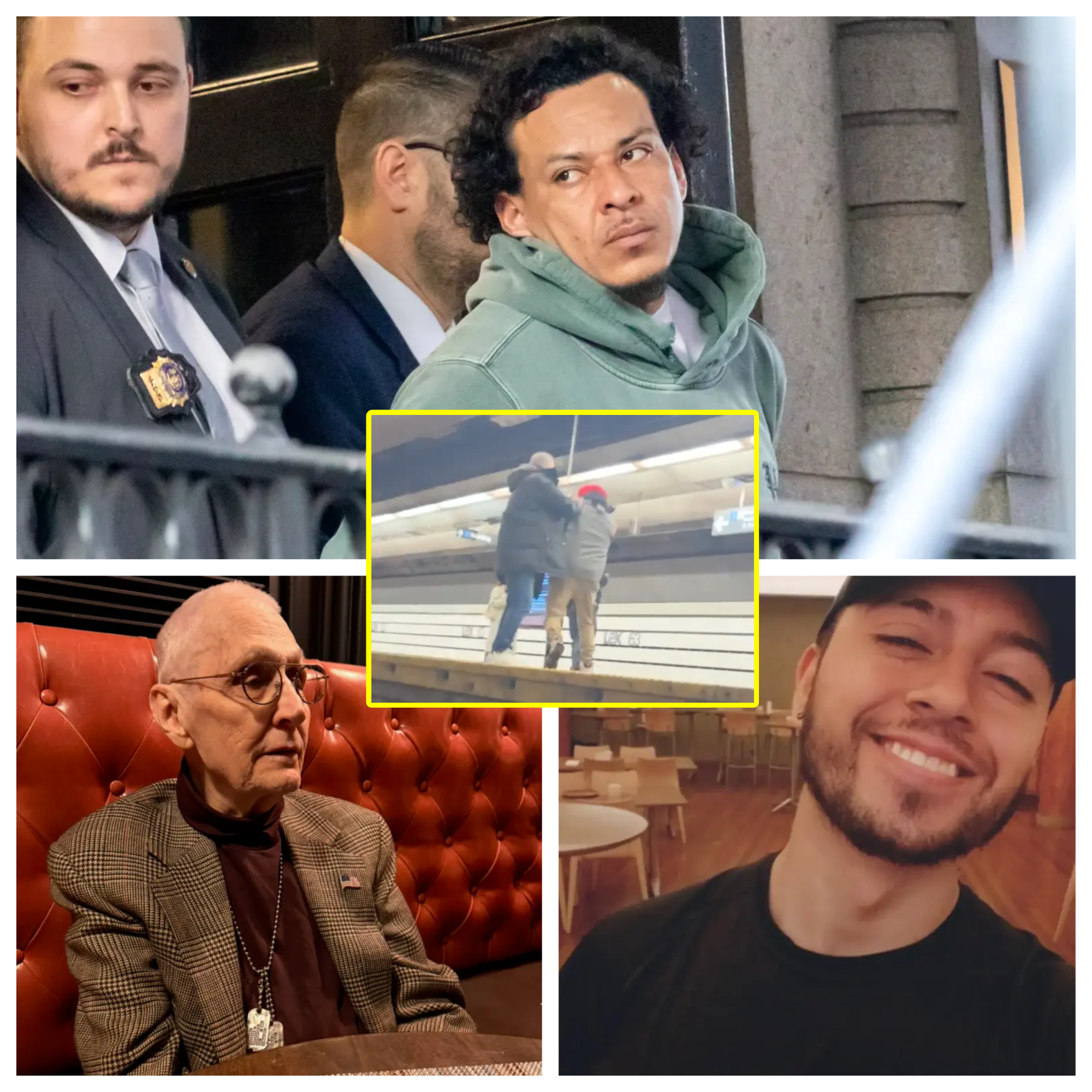
A routine Sunday morning on Manhattan’s Upper East Side turned into a nightmare of violence and unexpected heroism at the Lexington Avenue-63rd Street subway station. Around noon on March 8, 2026, an unprovoked attack left two strangers—an 83-year-old Air Force veteran and a 30-year-old commuter—tumbling onto the tracks, with an incoming train just moments away. In the chaos, one of the victims became the rescuer, pulling the elderly man back to safety in a display of raw courage that has since captured the city’s attention and sparked renewed debate about the heart of New Yorkers.
Richard Williams, 83, a retired Air Force jet mechanic and founder of a bulletproof materials business, had been enjoying his independence despite a recent battle with prostate cancer that he overcame just six months earlier. Having celebrated his 55th wedding anniversary, he was out shopping, taking the subway as he often did from his Roosevelt Island home into Manhattan. Described by his daughters as fully active and living his best life post-recovery, Williams embodied resilience. That all changed in an instant when Bairon Hernandez, 34, allegedly approached from behind and shoved him onto the tracks without warning or words.
Moments earlier, Hernandez had targeted another commuter, Jhon Pena, 30, pushing him down first. Pena landed hard, injuring his shoulder and knee, yet he refused to stay down. From the tracks, he managed to capture chilling cellphone footage showing Hernandez casually strolling along the platform after the double shove, as if nothing had happened. In the video, a bystander briefly scuffles with the suspect before turning to aid the fallen men. Pena, despite his pain, focused on the more vulnerable Williams, who lay unconscious below. With help from other riders, Pena extended a hand and helped hoist the veteran back onto the platform mere seconds before the train thundered in.
The narrow escape saved Williams from being struck, but the fall caused devastating injuries. Rushed to New York-Presbyterian Hospital Weill Cornell’s ICU, he suffered severe trauma, including bleeding on the brain. Queens prosecutors later confirmed he was brain dead, with no signs of improvement. His daughters, Debbie and Diane Williams, shared their anguish with reporters. Debbie praised Pena directly: “He helped my dad get out of there. The first guy that got pushed is the guy who assisted my father off the tracks with everybody else. What can you say about New Yorkers?” Diane, speaking from Phoenix, Arizona, described the toll on their elderly stepmother, who sat by his bedside pleading for him to wake up. “She keeps talking to my dad and telling him, ‘C’mon, wake up. Wake up, sweetheart.’ She can’t digest this.”
Pena himself was treated at Jamaica Hospital for his injuries. His mother, Claudia Pena, recounted the emotional aftermath: “It’s terrible, it’s hit him very hard. He tells me it was very distressing getting [Williams] out of there and not doing anything more for him.” The younger man’s quick thinking and selflessness turned him into a symbol of everyday heroism amid random violence.
Hernandez, identified as an undocumented Honduran immigrant, fled the scene but was arrested early Tuesday morning at a Brooklyn homeless shelter. He faces felony assault charges, with prosecutors noting prior convictions in New Jersey and Texas for illegal entry and re-entry into the U.S. At his Wednesday arraignment, Judge Janice Chen deemed him a flight risk and set bail at $100,000 cash or $300,000 bond. His defense attorney insisted Hernandez “vehemently denies” the allegations, but the evidence—including Pena’s video and NYPD surveillance—painted a damning picture of a calm, calculated act.
The incident reignited discussions about subway safety in New York City, where random attacks have periodically shaken public confidence. Yet amid the outrage directed at the suspect, gratitude flowed toward Pena and the bystanders who acted without hesitation. Williams’ family highlighted the contrast: a city capable of cruelty but also profound kindness. Debbie Williams called the helpers “phenomenal,” adding, “Until that son of a bitch that came over here and just decided to start tearing up the subway. There are no words to say how I feel about him.”
Williams’ life story added layers to the tragedy. A veteran who served his country, he later built a business protecting others through innovative materials. His daughters recalled his love for Manhattan and his post-cancer vitality—he had survived fires and illness, only to face this senseless act. “He was out, going on the subway. He’s fully independent. He battled cancer, he got through that… He was living his best life and then this had to happen,” Debbie said. “I can’t imagine why anybody would consider pushing a person. It’s beyond me.”
As Williams clings to life with little hope, the family demands accountability. Diane expressed a desire for Hernandez to “live and live with the consequences he did,” hoping the weight of his actions haunts him. The case underscores broader issues of immigration enforcement, mental health in public spaces, and the thin line between routine commutes and life-altering violence.
In a city often criticized for its toughness, this story reveals another side: ordinary people stepping up when it matters most. Jhon Pena’s actions—risking further harm to save a stranger—remind us that heroism can emerge from the platforms of everyday life. While the outcome for Richard Williams remains heartbreaking, the response from fellow New Yorkers offers a glimmer of hope in dark times. The question lingers: in the face of chaos, what defines a city? For many, it’s moments like this—where strangers become saviors.