Spared by the Bullet: The Lakewood Survivor’s Unanswered Question in a Family Massacre.
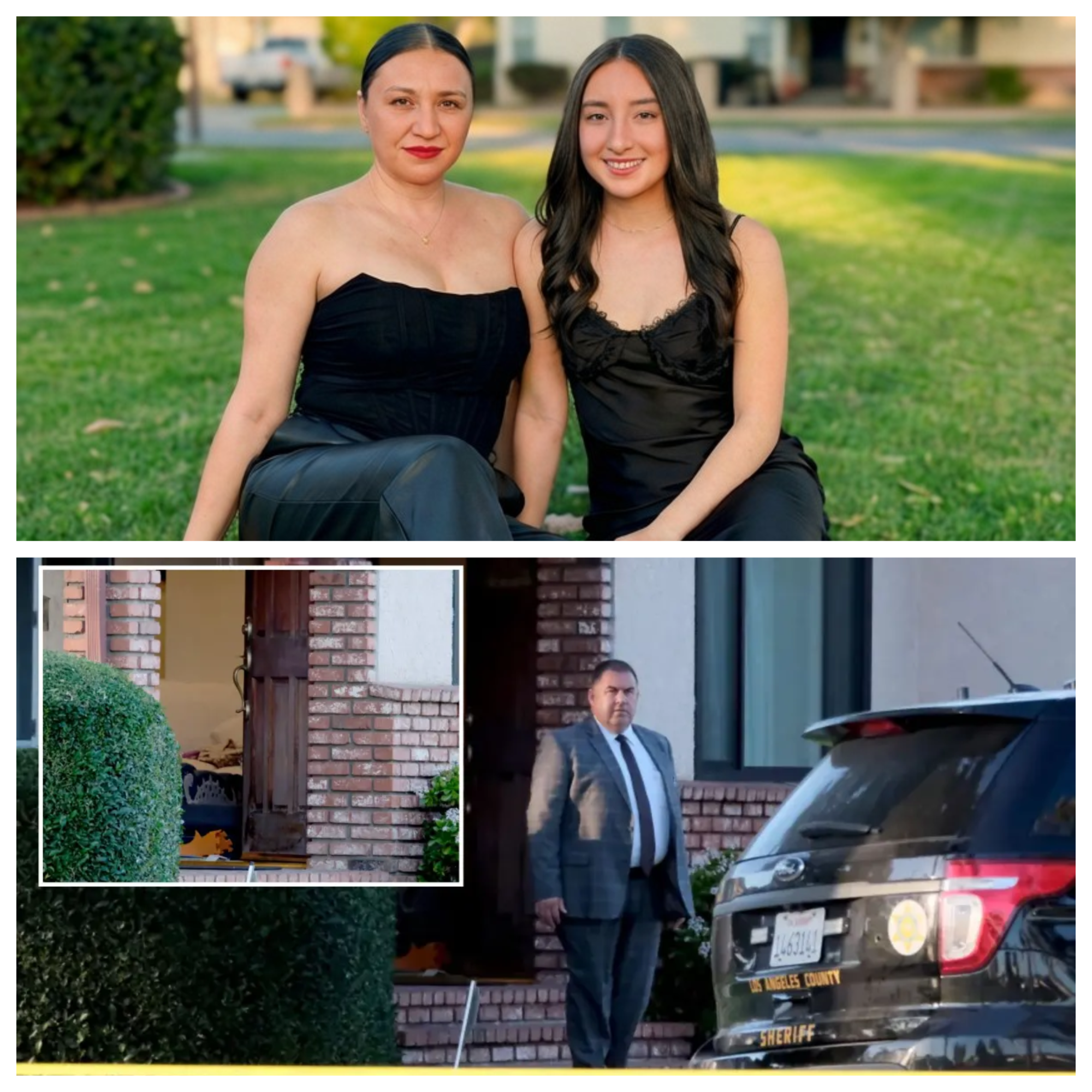
The peaceful suburb of Lakewood, California, woke to horror on the morning of January 16, 2026. What began as an ordinary weekday erupted into gunfire inside a single-family home on a quiet residential street. By the time deputies from the Los Angeles County Sheriff’s Department arrived, the scene was already irreversible: three people dead, one young woman miraculously alive, and a community left grappling with questions that may never receive satisfying answers.
Hector Lionel Alfaro, 52, is believed to have shot and killed his wife, Roxana Rodriguez, 48, and their youngest daughter, Sienna Alfaro, 17, before turning the firearm on himself in an apparent murder-suicide. The couple’s eldest daughter, 19, whose name has been withheld to protect her privacy and ongoing recovery, survived multiple shots fired in her direction. Authorities confirmed she was struck by none of the bullets—a fact that has haunted investigators, neighbors, and the public ever since.
Deputies responded to multiple 911 calls reporting gunshots shortly after 8 a.m. Inside the home, they found Roxana and Sienna deceased from gunshot wounds. Alfaro lay nearby, dead from a self-inflicted injury. The surviving daughter had managed to escape the immediate danger and alert authorities, though the trauma of the morning would linger far longer than the sirens. Preliminary investigations ruled out any involvement of an outside party; the evidence pointed clearly to a domestic act of extreme violence ending in suicide.
The motive remains elusive. No suicide note was recovered, and friends and extended family described Alfaro as a reserved but generally stable man who worked steadily and kept family matters private. In the weeks leading up to the incident, some relatives later recalled subtle signs of strain—financial pressures, occasional arguments, and a growing withdrawal—but nothing that foreshadowed such catastrophic violence. Mental health experts consulted in subsequent media reports noted that murder-suicides frequently stem from a combination of untreated depression, perceived loss of control, and access to firearms, though no formal diagnosis for Alfaro has been confirmed.
The surviving daughter provided a harrowing account to detectives. She awoke to the sound of gunfire echoing through the house. Her father entered her bedroom, raised the weapon, and fired several rounds toward her. Miraculously, she was unharmed. In the confusion and terror, she fled the room and eventually reached safety to call for help. Her survival has become the central enigma of the case. Was it deliberate hesitation in a final moment of clarity? A mechanical malfunction? Or simply chaotic chance amid panic? The absence of a clear explanation has fueled endless speculation and deepened the grief of those left behind.
Lakewood responded with an outpouring of sorrow. A candlelight vigil organized within days drew hundreds to a nearby park. Attendees held photos of Roxana and Sienna, shared memories of a devoted mother who balanced work and family with quiet strength, and a bright 17-year-old senior excited about her future. Sienna was remembered for her infectious laugh, love of music, and close bond with her older sister. Roxana was described as the emotional center of the household—always ready with encouragement and home-cooked meals.
A GoFundMe campaign launched by extended family quickly surpassed its initial goal. Funds are supporting funeral expenses, temporary housing if needed, and crucially, long-term therapy and trauma care for the surviving daughter. Messages left on the page reflect a shared sense of helplessness and a desire to help: “No words can heal this, but we can help carry some of the weight,” one donor wrote.
The eldest daughter has spoken publicly in limited interviews arranged through family representatives and victim advocates. Her words are measured but raw. “He was still my dad,” she said in one clip that circulated widely. “Even after everything, I don’t understand how he could do this. I keep seeing that morning in my head—the shots, the look on his face, the moment he stopped firing at me. I don’t know why I’m still here and they’re gone.” Her testimony underscores the profound betrayal at the heart of the tragedy: the perpetrator was not a stranger but the person who should have protected them.
This case has reignited local conversations about domestic violence prevention, mental health resources, and firearm access. The Los Angeles County Sheriff’s Department has reiterated its commitment to investigating thoroughly while supporting the surviving family. Community leaders have called for expanded crisis intervention programs, red-flag laws, and better awareness of warning signs in households under strain.
Neighbors who once exchanged casual greetings now stand in stunned silence outside the taped-off home. A makeshift memorial of flowers, candles, and stuffed animals continues to grow at the curb. Schools in the area offered grief counseling for students who knew Sienna, and local organizations have stepped up to provide meals and practical support to the extended family.
For the surviving daughter, the road ahead is long and uncertain. She carries not only the loss of her mother and sister but the weight of unanswered questions and survivor’s guilt. Therapists emphasize the importance of trauma-informed care, support groups, and patience. “Grief after such violence is complex,” one expert noted. “She lost her family in the most violent way possible, yet she also lost the version of her father she once knew. Healing will take time, community, and professional help.”
As Lakewood begins the slow process of mourning, the flickering candles at the vigil serve as a poignant reminder. They light the darkness left by a single morning’s violence, honoring two lives taken too soon and the one left to bear witness. The screams that shattered the quiet suburb may have faded, but their echo remains—in the survivor’s memories, in the community’s grief, and in the urgent need to prevent such tragedies from happening again.