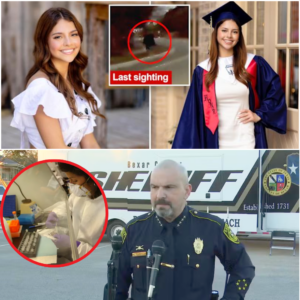
In the heart of San Antonio, Texas, the festive spirit of Christmas Eve 2025 was shattered by the sudden disappearance of 19-year-old Camila Mendoza Olmos, a case that swiftly turned from a missing person alert to a tragic confirmation of suicide. Camila, a young woman navigating the complexities of adolescence in a bustling suburban neighborhood, stepped out for her routine morning walk around 7 a.m. on December 24, never to be seen alive again. Her home in the 11000 block of Caspian Spring became the starting point of a harrowing search that gripped the community and highlighted the vulnerabilities of mental health in today’s youth.
Surveillance footage from her residence captured Camila briefly checking her parked vehicle before heading out on foot. Additional dashcam recordings from the area showed her walking north along Wildhorse Parkway, clad in a black hoodie, black pants, and black Nike shoes. Described as 5-foot-2 with black hair, brown eyes, and notable tattoos—a heart on her left hand and a rosary on her right forearm—Camila’s description was broadcast widely as authorities and volunteers mobilized. The Bexar County Sheriff’s Office led the effort, combing through nearby fields, roads, and residential areas amid growing concern from family and friends who knew of her struggles with depression and anxiety.
These mental health challenges are not uncommon; across the United States, particularly in Texas, young adults face escalating pressures from social media, economic uncertainties, and lingering effects of global events like the pandemic. Statistics indicate a rise in suicide rates among teens, with factors such as isolation and untreated emotional distress playing significant roles. In Bexar County alone, local health services report increased calls to crisis lines, underscoring the need for accessible counseling and support networks.
As the holidays unfolded without resolution, hope dwindled. Then, on December 30, 2025, a breakthrough: deputies discovered a body in tall grass near FM 1560, adjacent to the Burning Bush Landscaping Company—shockingly close to Camila’s home, just a few hundred yards away. A firearm was found at the scene, prompting an immediate investigation by the Bexar County Medical Examiner’s Office. Autopsy results confirmed the identity as Camila Mendoza Olmos, with the cause of death ruled as a self-inflicted gunshot wound to the head, officially deeming it a suicide.
The revelation stunned San Antonio, a city of diverse communities where such incidents prompt soul-searching about prevention. Friends and family mourned deeply, sharing stories of Camila’s kindness and the quiet battles she fought. One poignant tribute from a close friend spoke of eternal gratitude for their shared moments, evoking a sense of timeless connection amid the grief. This loss has reignited conversations about recognizing warning signs, including sudden withdrawal, expressions of hopelessness, or changes in behavior, and the importance of intervening early.
Experts stress the value of resources like national hotlines and community programs that offer free, confidential help. In Texas, initiatives aimed at youth mental health are expanding, but gaps remain in suburban areas where stigma can deter seeking assistance. Camila’s story serves as a catalyst for change, urging parents, educators, and peers to foster open dialogues and build supportive environments.
As the new year begins on January 2, 2026, the memory of Camila lingers, a reminder of life’s unpredictability and the power of empathy. While her passing leaves an irreplaceable void, it also inspires a collective commitment to mental wellness, ensuring that no one else walks alone in silence. San Antonio’s resilience shines through in vigils and awareness campaigns, honoring Camila by turning tragedy into action for a healthier future.