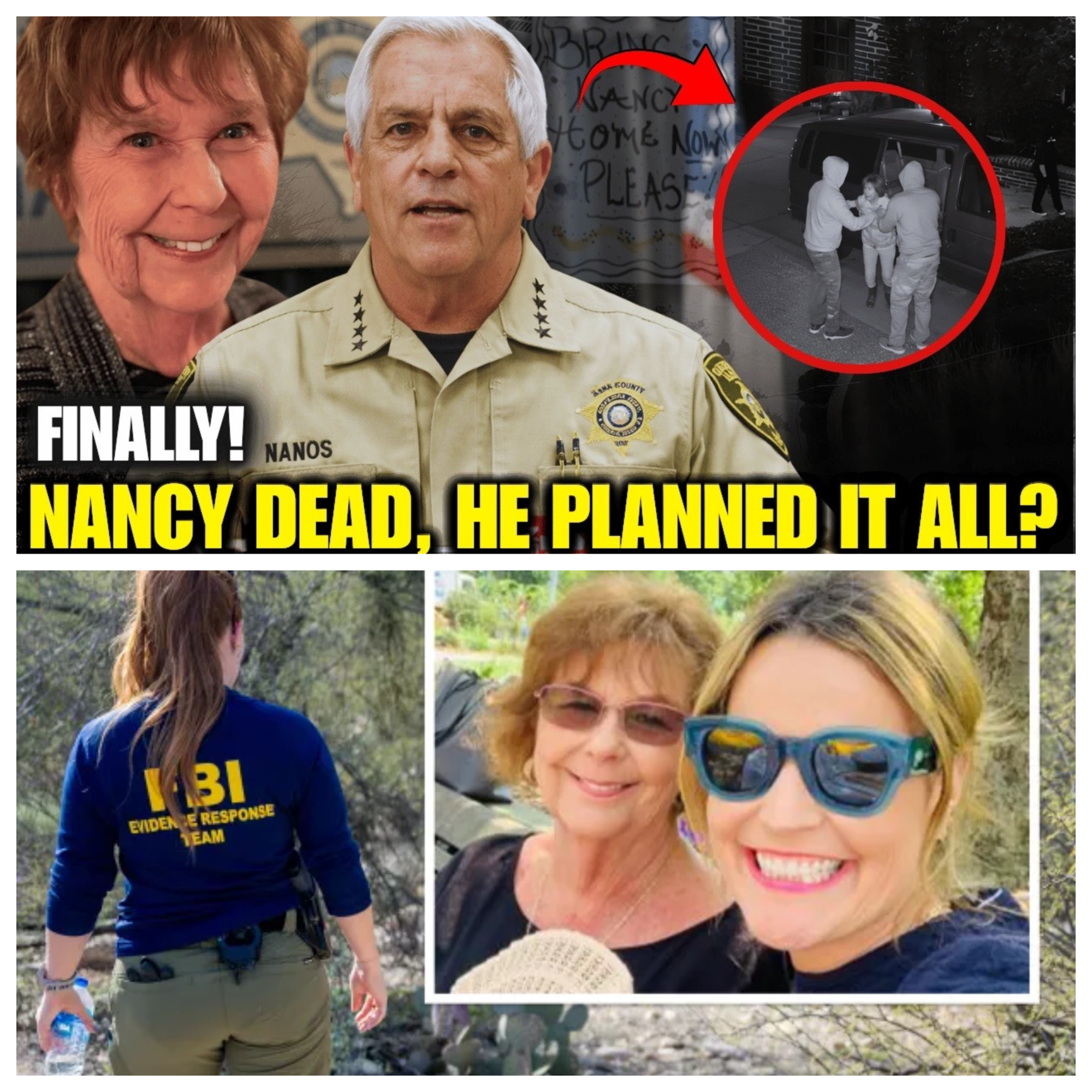
Nancy Guthrie, the 84-year-old mother of NBC’s Today co-anchor Savannah Guthrie, disappeared from her Catalina Foothills home near Tucson, Arizona, on February 1, 2026. What began as a quiet morning when she failed to appear at church quickly escalated into a national abduction mystery. Authorities believe she was taken against her will in the early hours, with doorbell camera footage showing a masked, armed suspect at her door. No ransom demand has surfaced publicly, but the case has gripped the country, fueled by Savannah’s emotional pleas, a $1 million family reward, and mounting questions about investigative missteps.
The Pima County Sheriff’s Department, led by Sheriff Chris Nanos, took initial lead. Early decisions drew immediate criticism. The crime scene was released prematurely, allowing media and onlookers access before thorough processing. Search aircraft were reportedly grounded over personnel issues, and the FBI wasn’t called in for days despite the high-profile kidnapping nature. These delays, critics argue, compromised evidence integrity and wasted precious time in the critical first 48 hours.
Tensions peaked when reports emerged that Sheriff Nanos blocked or restricted FBI access to key evidence. The FBI requested physical items—a glove found near the home and DNA samples—for analysis at their Quantico lab. Nanos opted instead for a private Florida laboratory, a move sources described as effectively sidelining federal expertise. Law enforcement officials with knowledge of the case told Reuters this outsourcing delayed FBI involvement and hindered cross-jurisdictional cooperation. The decision sparked accusations of a turf war rooted in longstanding animosity.
Insiders point to a 2015 FBI investigation into the Pima County Sheriff’s Office as the source of Nanos’ grudge. That probe examined department practices, including alleged misconduct. Deputies’ union leaders and former agents have claimed Nanos harbors resentment, leading him to limit federal input. The Pima County Deputies Association president stated the case should have transferred to the FBI early, calling local handling slow and ego-driven. Reports suggest Nanos centralized decisions to himself and two deputies, sidelining veteran detectives and FBI liaisons.
Forensic fallout compounded the issues. DNA from the home was described as “mixed,” and a glove’s unknown male profile entered the FBI database yielded no matches. Critics argue federal labs could have processed faster with advanced capabilities, potentially identifying leads sooner. The sheriff disputed blocking claims, calling them false, but acknowledged early scene release as a possible error. He emphasized cooperation, yet sources indicate friction persists, with the FBI relocating its command post from Tucson to Phoenix for efficiency—seen by some as pulling back from a stalled local effort.
Savannah Guthrie has been vocal and visible. She suspended broadcasting duties, including Olympics coverage, to focus on the search. In tearful videos, she acknowledged the grim possibility her mother may already be gone but held out for a miracle. The family doubled rewards to $1 million, generating over 1,000 tips. Public appeals stressed Nancy’s vulnerability—difficulty walking, living alone—and urged anyone with information to contact the FBI.
Theories abound. Some investigators lean toward a botched burglary gone wrong, with the suspect panicking and taking Nancy. Others, including former FBI agents, suggest personal grievance against her or the family. Surveillance video shows the intruder possibly surveilling beforehand. No arrests have occurred, and as of late February 2026, Nancy remains missing after 26 days. The FBI continues partnership with local authorities, but reduced Tucson presence signals a shift to longer-term strategy.
The case highlights broader issues in inter-agency dynamics. Kidnappings demand swift, unified response; delays can prove fatal. Nancy’s age and health make time critical—experts note elderly abductees face heightened risks. Public scrutiny intensified due to Savannah’s fame, turning a private tragedy into a media storm. Conspiracy whispers and online speculation have surged, but officials stress facts over rumors.
Nancy’s life before disappearance paints a picture of resilience. Widowed in 1988 when her husband died on a mining trip, she raised three children, including Savannah, while working in public health. Friends described her as tough, punctual, and kind—qualities that made her sudden vanishing all the more shocking. Two days prior, she played mahjong with friends, insisting on fetching her own mail despite mobility issues.
As the investigation evolves, pressure mounts on Sheriff Nanos. Deputies’ no-confidence votes in the past and policy violation flags add context to leadership critiques. Whether grudge-driven or procedural, perceived obstacles have frustrated observers hoping for resolution. The FBI’s Phoenix shift may streamline efforts, but questions linger: could earlier federal dominance have changed the outcome?
Savannah’s words capture the family’s anguish: aching for her mother’s return, clinging to hope amid heartbreak. Over 20,000 tips and ongoing searches—now including possible Mexico links—keep the case active. Yet without breakthroughs, the abduction of Nancy Guthrie stands as a haunting reminder of how institutional conflicts can intersect with personal loss, potentially costing irreplaceable time in a race against the unknown.