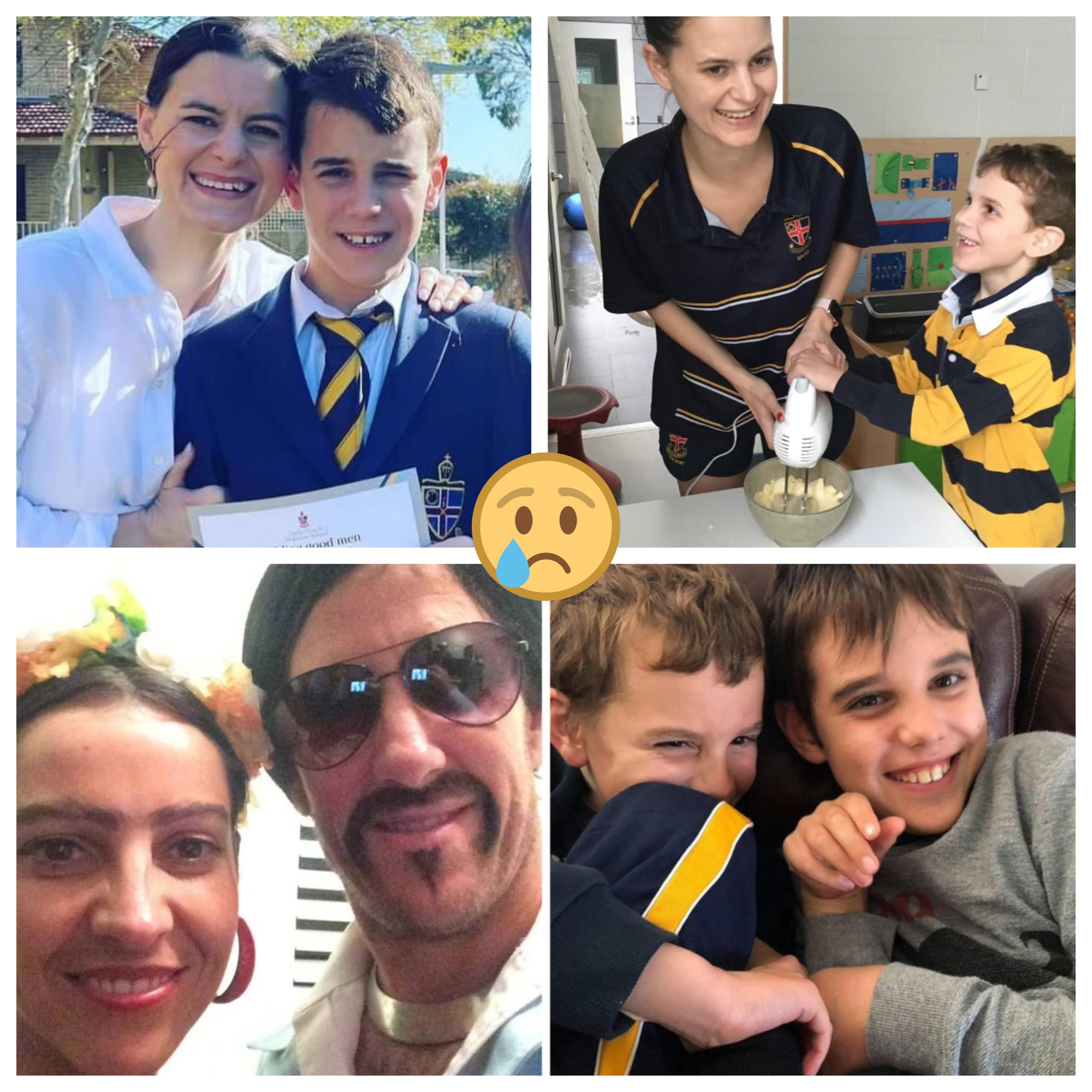
Former carer Maddie Page’s tribute to the Clune family has left many in tears, as she described a once-vibrant household defined by deep love before it ended in unimaginable tragedy. In statements shared with media, Page reflected on Leon Clune, 16, and Otis Clune, 14—two autistic brothers she supported for over a decade—alongside their parents Jarrod Clune, 50, and Maiwenna Goasdoue, 49. “They were such a happy family,” she said, evoking memories of joy that contrasted sharply with the suspected double murder-suicide discovered on January 30, 2026, in Mosman Park, Perth. Her words captured the essence of a family that fought tirelessly, only to feel crushed by circumstances beyond their control.
The discovery began routinely: a support worker arrived at the Mott Close home shortly after 8 a.m. for a scheduled check and found a note on the door warning not to enter and to call police. Inside, officers located the bodies of all four family members and their three pets in various rooms. Bloodstains at the rear of the property and multiple notes—one on the door, another inside reportedly detailing final wishes and the parents’ mindset—pointed to premeditation. Authorities suspect the parents killed their sons before taking their own lives, though a coronial inquest will determine exact causes and sequence.
Page, who knew the boys since childhood, spoke of their profound impact. Leon and Otis, both with severe autism, communicated in ways that required creativity and patience. Early school newsletters from Christ Church Grammar School preserved snapshots of innocence: Otis excitedly describing climbing mulberry trees, swinging, and enjoying home-cooked meals; Leon sharing adventures exploring rivers with friends. These glimpses showed boys who thrived on connection when understood, their smiles lighting up those around them. Page noted how they “captured your heart” once people took time to see beyond challenges.
As the brothers grew into teenagers, demands intensified. Level 3 autism involved constant supervision, managing sensory overload, preventing self-harm, and addressing physical outbursts that grew stronger with age. Jarrod and Maiwenna, both in their late 40s and early 50s, served as primary caregivers with limited external help. Page witnessed their “immense love” and “courage and resilience” through “extreme difficulty and countless obstacles.” The parents never stopped advocating, seeking every resource to help their sons feel seen and heard.
Yet Page did not hesitate to point to failure. “My heart feels unbearably heavy knowing that the NDIS system failed them, and that they were made to feel they had no other choice,” she said. Friends echoed this, claiming recent NDIS funding cuts removed vital supports—respite for exhausted parents, behavioral therapies, in-home aides. One anonymous friend described the couple as “desperate” after repeated denials, leaving them isolated in their struggles. Page urged, “NDIS – do better,” insisting better responsiveness could have altered the outcome.
The Clune family’s story resonates widely. Tributes flooded online: photos of happier times, messages honoring the boys’ unique spirits, and shared experiences from other autism families. The Australian Neurodivergent Parents Association called for candlelight vigils at 5 p.m. nationwide. A poem circulated reframing Leon and Otis as deserving of dignity, not pity. Carers spoke openly about parallel burdens—endless vigilance, fractured sleep, social isolation, financial strain, and terror over long-term futures without reliable support.
Australia’s National Disability Insurance Scheme aimed to empower through personalized plans, but persistent criticisms include bureaucratic delays, inconsistent reviews, and cuts hitting high-needs families hardest. Caring for two profoundly autistic teens multiplies challenges: no breaks for normal family life, constant risk management, emotional toll on parents nearing burnout. Research shows elevated mental health risks—depression, anxiety, physical decline—among such carers. In extreme cases, despair can lead to distorted thinking where ending lives seems like preventing greater suffering.
While no act justifies filicide, experts explain these tragedies often stem from prolonged hopelessness, not malice. Parents may perceive no viable path forward, especially with perceived abandonment by services. Prevention requires urgent shifts: integrated mental health support in NDIS plans, expanded respite, proactive outreach to at-risk households, protections against sudden funding reductions.
Leon and Otis deserved extended joy—more tree-climbing, river explorations, simple treats that brought smiles. Their parents deserved a system matching their fierce dedication with sustainable help. Instead, mounting pressures eroded hope until tragedy erased the family.
Page’s tribute serves as both remembrance and call to action. She vowed to remember the boys’ smiles, the love that once filled their home, and the ways they touched lives. Her emotional delivery—voice cracking, tears flowing—highlights human stakes behind policy debates. When support systems falter, consequences devastate entire families.
As investigations proceed and communities mourn, the Clune case demands reflection on disability care’s effectiveness. True empowerment means more than funding—it means preventing isolation, offering real relief, and ensuring families never feel cornered. Reform could honor Leon and Otis by safeguarding others, turning heartbreak into lasting change before another “happy family” reaches breaking point.