Sending Nancy Guthrie’s DNA to Florida Instead of Quantico – The Fatal Investigative Blunder?
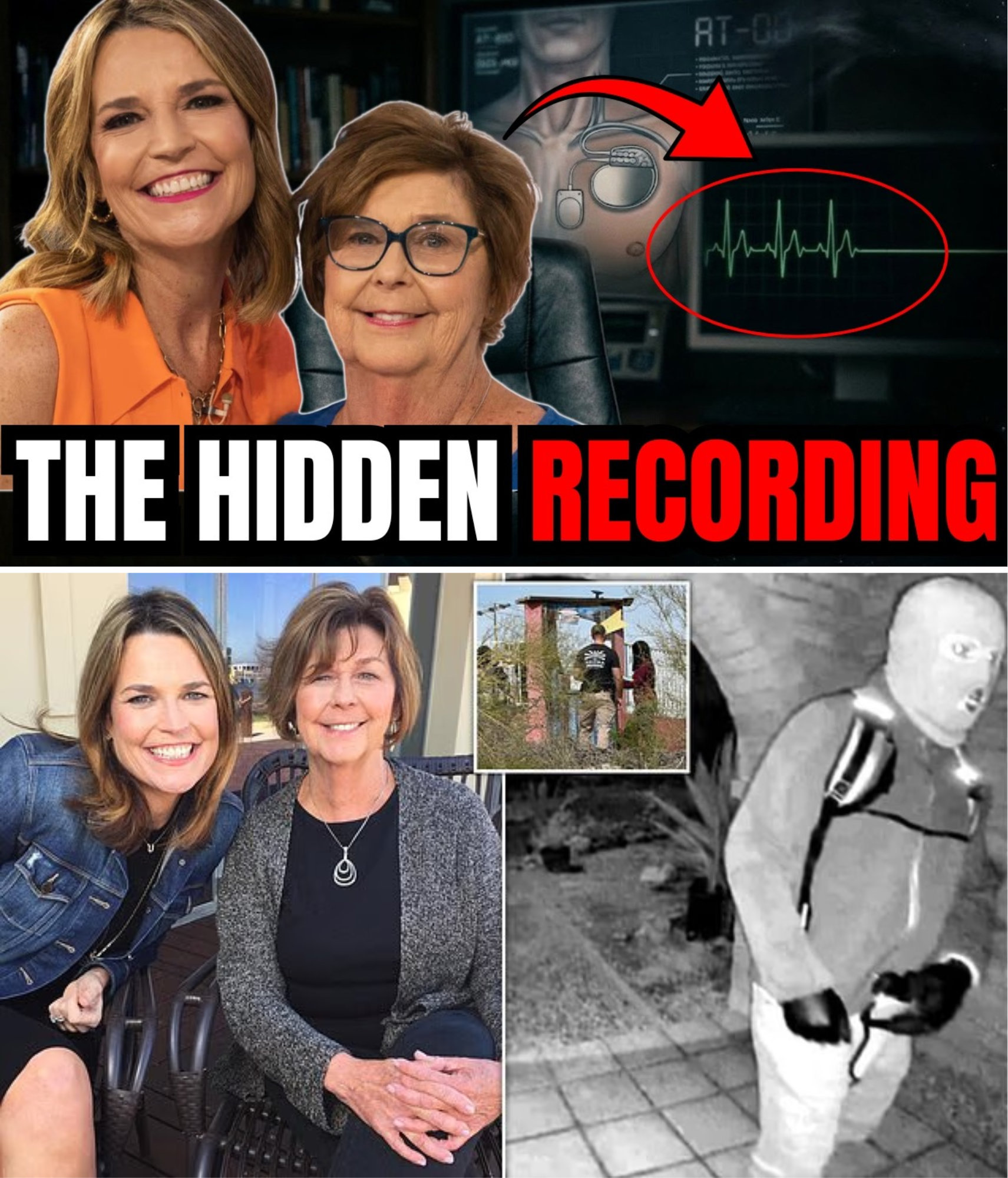
The disappearance of 84-year-old Nancy Guthrie from her Tucson home on February 1, 2026, has morphed into a high-stakes clash between local sheriff’s priorities and federal forensic standards. As the mother of NBC’s “Today” show co-anchor Savannah Guthrie, the case drew immediate national scrutiny, but mounting criticism centers on a single decision: routing crime-scene DNA to a private laboratory in Florida rather than the FBI’s premier facility in Quantico, Virginia. Former federal agents describe this choice as a potentially “fatal mistake” that jeopardizes evidentiary integrity, delays processing, and invites courtroom challenges that could undermine any future prosecution.
Nancy Guthrie vanished in what authorities quickly classified as a targeted abduction. Blood drops on the front porch matched her DNA profile via rapid testing, her pacemaker ceased transmission at 2:03 AM after logging activity until 1:47 AM when the Nest doorbell camera went offline, and personal items—phone, purse, keys, vehicle—remained untouched. A recovered clip shows a masked male suspect, approximately 5’9″–5’10”, average build, wearing gloves and carrying an Ozark Trail backpack, yanking the camera free before entry. No ransom followed initial Bitcoin demands, and immediate family members passed polygraphs, shifting focus to external suspects.
The controversy erupted over handling biological evidence. Standard protocol in federal kidnapping cases routes complex samples to Quantico’s FBI Laboratory for priority processing, rigorous chain-of-custody documentation, and integration with national databases. Quantico employs specialized protocols for contamination prevention, rapid mitochondrial and nuclear DNA analysis, and expert testimony preparation that withstand Daubert challenges. Sending samples to a private Florida lab—while capable—lacks the same federal imprimatur, potentially introducing delays, weaker documentation, and vulnerability to defense attacks on reliability or tampering.
Pima County Sheriff Chris Nanos authorized the diversion, citing local lab capacity and turnaround needs. Critics, including former FBI officials, argue this bypassed Quantico’s advantages: expedited handling in high-profile abductions, seamless coordination with FBI task forces, and ironclad admissibility. One ex-assistant director noted that private labs, though accredited, face scrutiny over calibration logs, analyst qualifications, and independence—issues rarely raised against Quantico. The crime scene itself was released in under 20 hours, far below the 48–72-hour hold typical for thorough evidence collection, risking degradation of remaining biological traces.
Despite these hurdles, the FBI constructed parallel investigative tracks immune to local decisions. Cell-tower analysis provides unalterable timestamps linking devices to the vicinity during the critical window. Retail records from Walmart trace purchases matching the suspect’s backpack and clothing descriptions. Annie Guthrie’s Honda CR-V, used to drop Nancy home at 9:50 PM on January 31, was seized for over a month; forensic examination yielded fibers, electronic data, and potential trace evidence now under federal seal. A suspect triangle emerged: Tomaso Cioni, Dominic Evans, and Derek Kayla.
Pacemaker server data adds chilling context: cardiac activity logged for 41 minutes beyond the last visible movement (1:47 AM to 2:28 AM). Former agents interpret anomalies as possible trauma indicators inconsistent with a clean abduction—perhaps a struggle-induced event or worse—prompting speculation the crime “went wrong immediately on the porch” and was reframed as kidnapping. If homicide elements surface, the narrative shifts dramatically.
Sheriff Nanos faced backlash for public contradictions—downplaying FBI involvement on national television while the Bureau operated independently—and a history of disciplinary issues. Experts like Jennifer Coffindaffer noted declining volunteer searches as a signal the active hunt phase ended, while Tracy Walder suggested targeting tied to Savannah Guthrie’s circle rather than Nancy’s routine life.
The Florida DNA decision amplifies risks: defense could argue inadequate chain of custody, potential cross-contamination, or slower processing that missed time-sensitive matches. Even if results implicate a suspect, admissibility battles could delay or derail trials. The FBI’s independent evidence mitigates some damage—cell data, vehicle forensics, ransom intercepts—but biological proof remains cornerstone in linking individuals to the scene.
As the case exceeds six weeks, with 23,000 tips to the FBI and a $1.2 million reward, pressure mounts. No arrests, no confirmed sightings, cadaver dogs on hold despite retired K-9 officers calling the pause illogical. The Guthrie family’s anguish—Savannah’s public appeals for information—contrasts with investigative fractures. Whether the Florida lab route proves catastrophic or merely inconvenient, it underscores tensions between local autonomy and federal rigor in high-profile cases.
Ultimately, the “fatal mistake” may not doom the investigation—the Bureau’s parallel architecture ensures resilience—but it highlights how procedural choices can shape outcomes long after evidence is collected. For Nancy Guthrie’s loved ones awaiting resolution, every preserved sample and untainted lead carries hope amid the uncertainty.