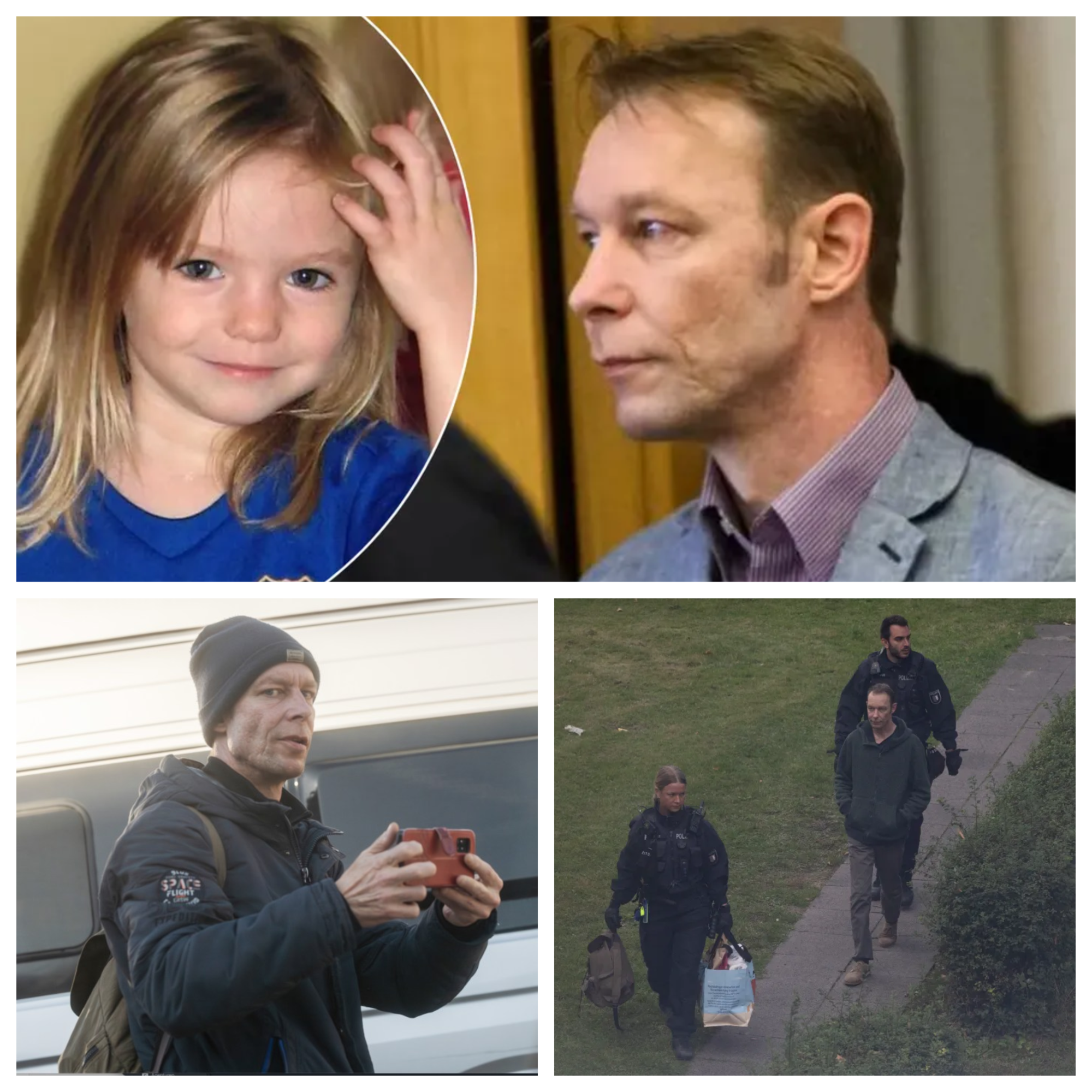
Christian Brueckner, the German national long identified as the prime suspect in the 2007 disappearance of Madeleine McCann, has ignited fresh outrage after relocating to a modest two-bedroom flat in his hometown of Braunschweig, Germany. The property sits mere yards from a primary school, with three primary schools and three nurseries located within the immediate vicinity, raising alarm among residents who fear for the safety of local children.
Brueckner, aged 49, was released from prison in September 2025 following a seven-year sentence for the 2005 rape of a 72-year-old American tourist in Praia da Luz, Portugal—the very resort where three-year-old Madeleine vanished from her family’s apartment on May 3, 2007. Upon release, he faced strict supervision: an electronic ankle tag, 24-hour police monitoring, and repeated relocations due to public backlash. Early post-release accommodations included woodland tents in northern Germany, followed by temporary flats where he was spotted near playgrounds, prompting swift moves by authorities.
His return to Braunschweig—where he previously operated a local kiosk—marks a homecoming that has quickly turned contentious. Neighbours recognised him almost immediately, spotting plainclothes officers stationed outside the building around the clock. One resident recounted the moment of realization: “We were surprised to see two plainclothes police officers always waiting in front of the house. Then someone saw him leave and recognised him straight away.” The revelation spread rapidly through the community, fueling widespread anxiety.
The core of the fury lies in the flat’s location. Positioned so close to educational facilities, it places Brueckner within easy reach of areas where children congregate daily—playgrounds, school entrances, and nursery drop-off zones. A local expressed the prevailing sentiment: “We’re all afraid. There are three daycare centres and three elementary schools right nearby. Why is someone like that allowed to settle here?” Parents worry about routine activities like walking to school or playing outside, now overshadowed by the presence of a man with convictions for child sexual abuse and rape.
German authorities provided the housing as part of obligations to support released offenders without resources, a practice rooted in rehabilitation principles. However, the decision has drawn sharp criticism for prioritizing legal requirements over perceived community risk. Police maintain vigilant surveillance, but residents argue that constant monitoring cannot fully mitigate the emotional toll or potential danger. Some families have already altered habits, with reports of parents avoiding sending children to nearby shops alone or changing school routes.
Brueckner’s link to the McCann case remains the focal point of global interest. German prosecutors declared him the prime suspect in 2020, building a case around circumstantial evidence: mobile phone data placing him near the Ocean Club resort on the night Madeleine disappeared, alleged confessions to acquaintances about possessing knowledge of the incident, and items recovered from his properties, including material related to child abduction. Searches in Portugal, including the Arade Dam area, have yielded no conclusive proof, and no charges have been brought in connection with Madeleine. Brueckner consistently denies involvement, and the inquiry persists as a presumed homicide investigation.
The McCann family continues to endure profound grief nearly two decades later. Kate and Gerry McCann’s tireless advocacy has kept the case alive through appeals, books, and media. Madeleine’s disappearance triggered an unprecedented international response, initially marred by investigative missteps in Portugal before shifting focus to Brueckner through Anglo-German cooperation. The unresolved nature of the case amplifies the pain of every new development involving the suspect.
Brueckner’s nomadic existence since release has been marked by controversy. Woodland campsites drew media scrutiny and protests, while earlier flats were abandoned after sightings near children. The Braunschweig move represents a return to roots, but the school’s proximity has transformed simmering unease into vocal demands for action. Community members call for stricter residency restrictions or relocation to isolated areas, questioning whether current safeguards suffice in such a high-profile instance.
Social media and public discourse have erupted with emotion. Posts express solidarity with the McCanns, demand justice for Madeleine, and condemn the housing choice. Comments highlight broader concerns about balancing offender rights with child protection, with many arguing that past crimes of this severity warrant exceptional measures. Child safety organizations have weighed in, advocating for policy reviews on placing high-risk individuals near schools.
The situation reflects ongoing tensions in Germany’s approach to reintegration. While the law emphasizes rehabilitation and support, cases tied to notorious crimes test public tolerance. Authorities defend the arrangement by citing monitored compliance, yet the emotional weight of the McCann legacy and Brueckner’s history fuel the backlash.
As residents in Braunschweig grapple with daily fear, the flat near the school becomes a symbol of unresolved conflict—linking a haunting cold case from 2007 to present-day community anxieties. Whether this prompts relocation, tightened protocols, or renewed investigative pressure remains to be seen. For the McCanns and countless others still seeking closure, each headline revives hope mingled with heartache. The world continues to watch, united in the wish for answers and safeguards that prevent any child from facing unnecessary risk.