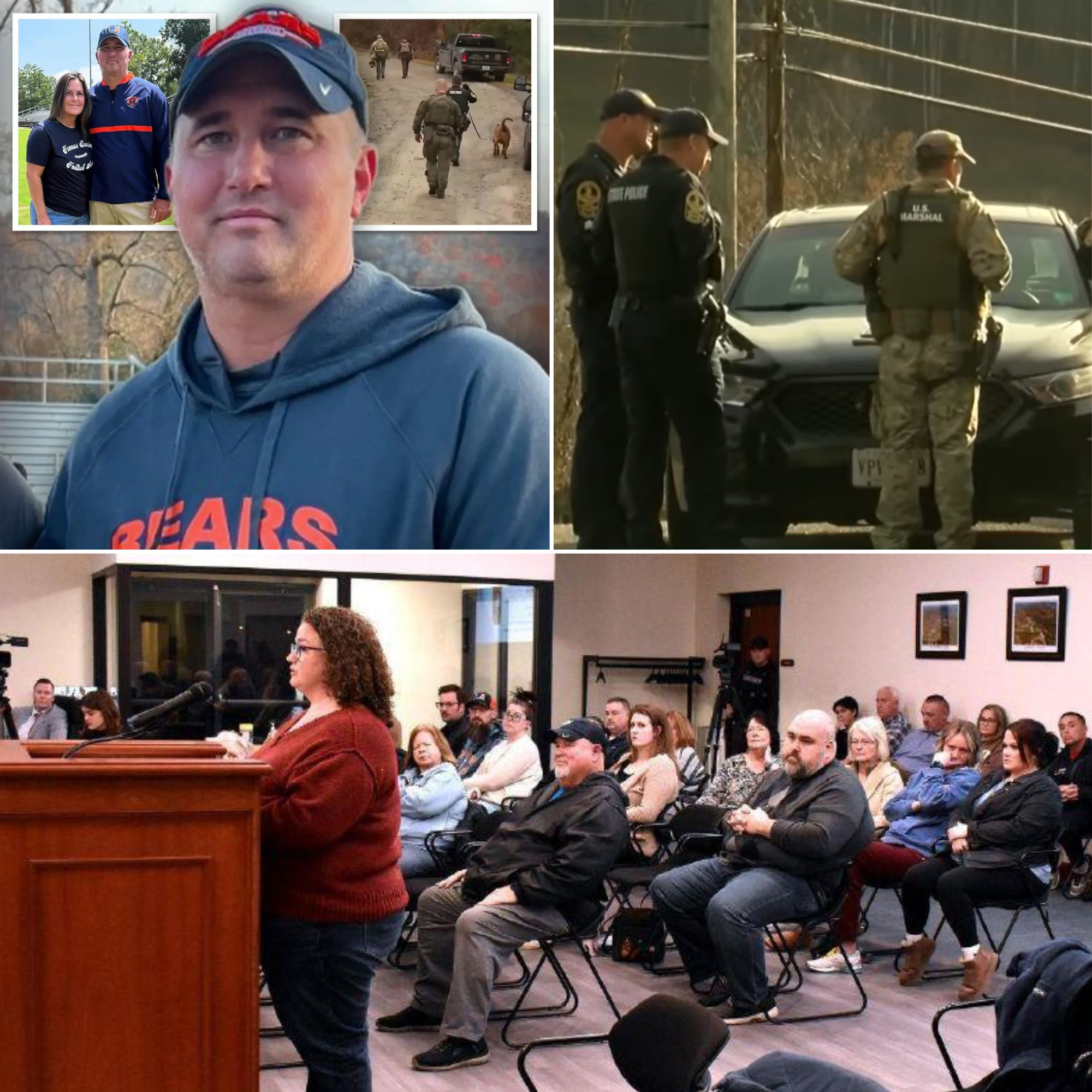
Nearly two months after Travis Turner vanished into the rugged Appalachian wilderness near his Appalachia, Virginia home, the manhunt led by Virginia State Police shows no signs of winding down. The 46-year-old former head football coach at Union High School disappeared on November 20, 2025, just as investigators approached his residence to question him about serious allegations. Turner now faces 10 felony warrants: five counts of possession of child pornography and five counts of using a computer to solicit a minor. Despite the harsh winter conditions, the vast terrain, and his reported possession of a firearm, authorities’ handling of the case—particularly their ongoing close contact with his family—suggests they believe he remains alive.
A former FBI agent with specialized experience in crimes against children has provided key insight into this investigative strategy. Jennifer Doebler, who previously served on the Crimes Against Children/Child Pornography Team in the FBI’s Newark field office, explained that persistent communication with immediate family members is a deliberate tactic when law enforcement suspects a fugitive is still alive and may attempt contact. “I would say they’re probably keeping in very close contact with Turner’s immediate family,” Doebler told The U.S. Sun. She outlined two primary reasons: first, to gather any potential information or leads from loved ones; second, to monitor for signs that Turner might reach out emotionally, especially as a married father of three. In such cases, family bonds often prove the weakest link for fugitives under pressure.
This approach stands in contrast to scenarios where death is presumed. If suicide or accidental demise were the leading theory, efforts would typically shift toward recovery and closure rather than active surveillance of relatives. The continued involvement of the U.S. Marshals Service—offering a reward of up to $5,000 for information leading to his whereabouts—further indicates an assumption of survival. Doebler noted that marshals do not typically pursue deceased individuals, and the lack of expanded search parameters or a formal declaration of death supports the belief that Turner could be hiding or have relocated.
Turner’s disappearance unfolded with dramatic timing. According to statements from family attorney Adrian Collins, Turner left his home on November 20, heading into nearby woods carrying a firearm but without essential items: his wallet, car keys, contact lenses, or daily medications. When he failed to return that evening, his wife contacted authorities, though she was advised a missing person report could not be filed until 24 hours elapsed. The following day, November 21, she reported him missing. Warrants were issued shortly afterward, retroactively classifying him as a fugitive.
The family has cooperated extensively, consenting to multiple searches of their property and homes. Turner’s wife has publicly urged him to return and face the allegations in court, emphasizing that she sought help locating him rather than aiding an escape. A family statement expressed hope for his safe return, allowing him to defend himself legally. This cooperation aligns with police objectives: maintaining open channels for information while positioning to detect any outreach from Turner.
The charges stem from an investigation into alleged online activity involving minors, likely involving undercover operations where officers pose as juveniles or monitor suspicious interactions. Turner reportedly received advance warning or sensed the impending visit, prompting his flight. Once in the mountains, he entered an area known for its difficulty—dense forests, steep terrain, and severe winter weather—making survival challenging without preparation.
Despite exhaustive efforts—including ground teams, drones, aerial support, and coordination across agencies—no confirmed sightings, remains, or definitive evidence of death have surfaced. The absence of a suicide note, personal effects, or body has kept the possibility of evasion alive. Some speculate Turner may have had contingencies: supplies cached in advance, knowledge of the area from local ties, or even assistance to cross state lines. Others note the firearm and pressure of charges make suicide plausible, yet no conclusive proof has emerged.
The case has shaken Wise County, where Turner was a respected figure—”Coach of the Year” in some recognitions—and a married father. Public discourse has intensified, with school board meetings addressing broader concerns about student safety. An alleged victim of unrelated staff misconduct read a letter criticizing district handling of reports, highlighting community fears. While separate from Turner’s allegations, such discussions reflect unease in the tight-knit area.
Turner’s background adds layers to the mystery. As a PE teacher and coach, he held influence over young athletes, making the charges particularly disturbing. His family maintains he is innocent of the accusations, focusing on his safe return. The ongoing police-family contact serves dual roles: emotional support amid uncertainty and strategic surveillance.
As January 2026 progresses, updates remain sparse. Virginia State Police have encouraged tips via their Division 4 line (276-484-9483) or email, with anonymity assured. The U.S. Marshals’ reward underscores commitment to resolution. Whether Turner attempts contact—perhaps driven by family ties, hardship, or guilt—could prove pivotal. Doebler’s analysis suggests authorities anticipate this moment, ready to act.
The prolonged uncertainty compounds pain for Turner’s loved ones, who balance hope with the weight of serious allegations. For the community, it raises questions about accountability, mental health in high-pressure roles, and the challenges of wilderness pursuits. Until evidence shifts the narrative, the manhunt endures, fueled by the belief that Travis Turner may still draw breath—and one day, reach out.