Patrol Car Confession: The Chilling Words Ruben Fregoso Uttered After Amber Alert Surrender.
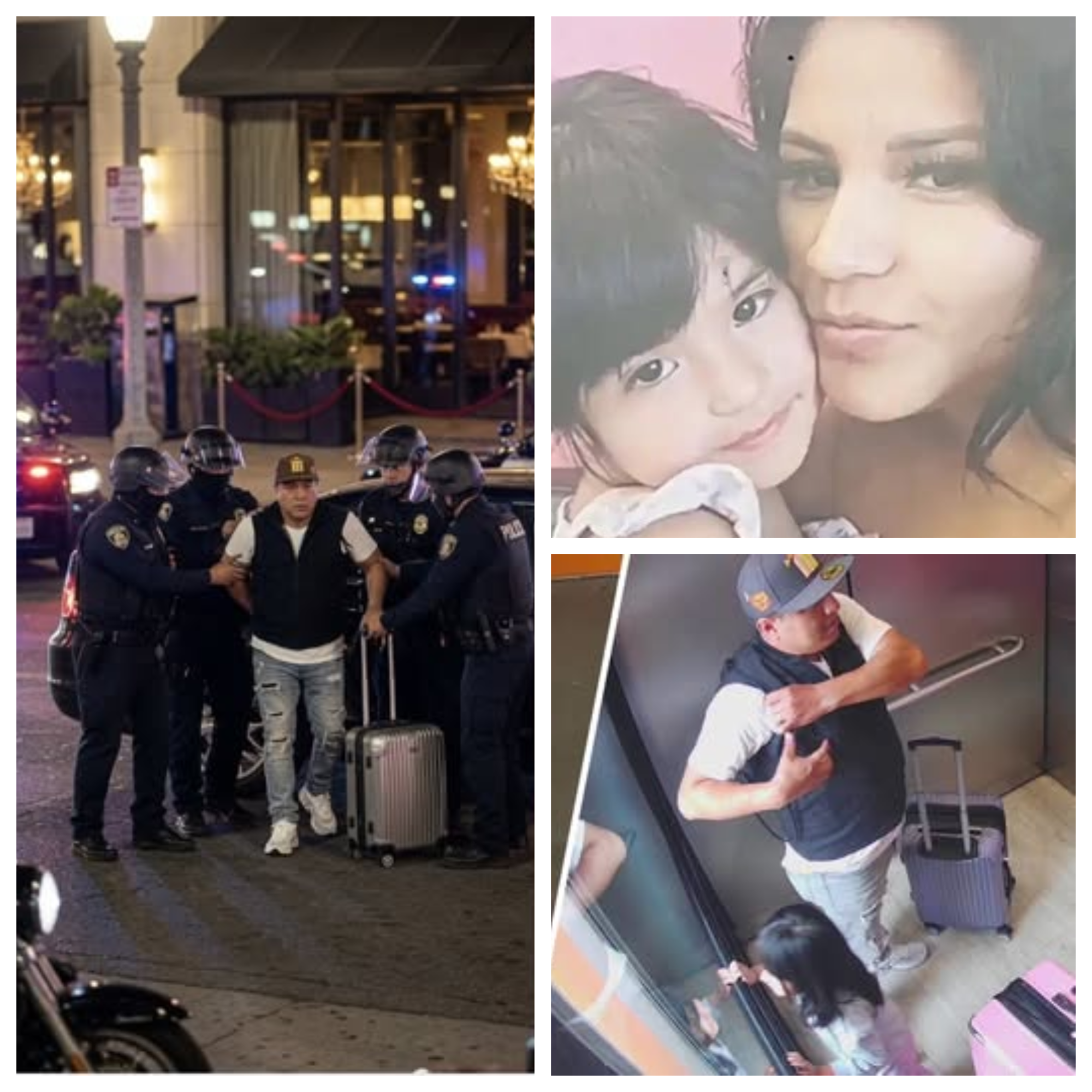
The frantic search that gripped communities across California and Mexico has finally concluded with the arrest of Ruben Fregoso, but the details emerging from his custody have plunged the case into even deeper darkness. The 40-year-old suspect, wanted in connection with the murder of his girlfriend and the abduction of their five-year-old daughter, calmly walked into a bustling restaurant south of the border and gave himself up to authorities. Moments later, in the back of a patrol car, he broke his silence with a confession so disturbing it left hardened investigators reeling.
It started with a devastating discovery on May 25, 2026, in Los Angeles’ West Adams/Arlington Heights area. Officers arriving at a residence found 36-year-old Marysol Garcia dead from violent injuries. She was the mother of Daleza Fregoso, the young girl whose face soon appeared on Amber Alerts across multiple states. Ruben Fregoso, identified as the father, quickly became the prime suspect. Evidence pointed to him fleeing the scene with the child, sparking an urgent, high-stakes pursuit that crossed international lines.
Surveillance images from San Ysidro near the U.S.-Mexico border captured Fregoso pulling a suitcase while accompanied by little Daleza. Their white 2019 Land Rover was later located abandoned nearby, but the pair had already slipped across the border. The Amber Alert described Daleza as being in extreme danger, mobilizing law enforcement, media outlets, and everyday citizens who shared the alert widely. Community vigils formed in Los Angeles as fear mounted over the child’s safety and the suspect’s intentions.
After days of intense coordination between American and Mexican agencies, the breakthrough came unexpectedly. Fregoso entered a crowded restaurant in Mexico and approached local police officers, surrendering peacefully amid stunned patrons. The arrest was swift and without incident. However, once placed in the patrol vehicle, the suspect’s demeanor shifted. According to law enforcement sources, he immediately began confessing, repeating the haunting phrase “I had to do it” in a breakdown that shocked even veteran detectives. The admission hinted at premeditation and grim circumstances surrounding Garcia’s death, sending ripples of horror through the investigative team.
Fregoso now faces murder and child abuse charges filed in absentia by Los Angeles prosecutors. A conviction could mean 25 years to life behind bars. Authorities have stressed the brutality of the alleged crimes, noting that Fregoso is accused of killing his partner before taking their daughter and attempting to vanish into Mexico, where he reportedly had family connections. The swift resolution has been credited to strong bilateral cooperation and the effectiveness of the Amber Alert system.
Those who knew the family described a household that appeared unremarkable from the outside, yet may have concealed escalating tensions. Neighbors expressed shock at the violence that erupted, while friends of Marysol Garcia remembered her as a devoted mother striving to provide a stable life for Daleza. The Amber Alert galvanized public attention, with tips pouring in and social media amplifying the search efforts. Daleza’s smiling photo became a symbol of urgency, reminding everyone of the vulnerability of children caught in domestic crises.
Child abduction by a parent is tragically common, but the combination with homicide makes this case particularly wrenching. Experts highlight how such events expose gaps in domestic violence intervention and the lifesaving potential of rapid alert systems. In this instance, cross-border collaboration between the FBI, local police, and Mexican authorities proved decisive. Praise has poured in for the Mexican officers who secured the surrender, paving the way for potential extradition proceedings.
Thankfully, Daleza was safely recovered and is now under protective care. Officials have limited public comments on her well-being to safeguard her privacy, but confirm she is receiving medical and psychological support while being reunited with extended family. Her return brings a measure of relief amid the profound grief for Marysol Garcia. Community leaders have organized healing events, shifting from vigils demanding justice to circles focused on long-term recovery for survivors.
The full scope of Fregoso’s confession remains partially sealed as detectives corroborate his statements with forensic evidence from the crime scene. Preliminary insights suggest he elaborated on the sequence of events and possible motives, ranging from personal conflicts to deeper psychological issues. While no official motive has been released, the case underscores the urgent need for better mental health resources and domestic support networks in at-risk communities.
This tragedy has ignited important public discourse on preventing family violence, strengthening child protection measures, and enhancing international law enforcement partnerships. Advocacy organizations are pushing for expanded funding for shelters, counseling programs, and improved background checks for high-risk individuals. In diverse urban centers like Los Angeles, stories such as this resonate across cultural lines, fueling calls for systemic reforms that could save future lives.
As legal proceedings move forward, Fregoso’s extradition to the United States is anticipated. Meanwhile, Marysol Garcia’s memory lives on through fundraisers and awareness initiatives aimed at breaking cycles of violence. Daleza’s young life, forever changed, now holds the promise of healing supported by a community that rallied around her. Psychologists involved in her care emphasize the resilience of children and the importance of early intervention for trauma.
Law enforcement has applauded the public’s role in sharing the Amber Alert and providing tips that narrowed the search. This success story reinforces the value of community vigilance and technological tools in modern policing. International cooperation, often challenged by jurisdictional hurdles, proved effective here and may serve as a model for future cases.
For the family and friends left to pick up the pieces, the path ahead involves both justice and emotional restoration. Celebrations of Daleza’s safety are tempered by mourning for her mother, creating a complex tapestry of sorrow and gratitude. Memorials continue to honor Garcia’s dedication as a parent, while scholarships or support funds in her name are being discussed to help other single mothers.
The dramatic surrender and subsequent confession have added layers of complexity to an already devastating narrative. As investigators dig deeper, the hope is that full transparency will provide answers and closure. This case stands as a stark illustration of how quickly personal conflicts can spiral into tragedy, particularly when children are involved. It also highlights the enduring strength of systems designed to protect the innocent.
In the quiet moments after the chaos, the focus returns to Daleza’s future — one that carries the love of her mother and the support of a watchful community. Ruben Fregoso’s words in that patrol car may haunt those who heard them, but they also propel the pursuit of accountability. As more information surfaces, this story serves as both a cautionary tale and a testament to resilience in the face of unimaginable loss. Authorities continue to encourage anyone with relevant details to contact them, ensuring every aspect of the case receives thorough examination.
Ultimately, while the pain lingers, the safe return of Daleza represents a victory for coordinated efforts across borders and a reminder that even in darkness, hope and justice can prevail.