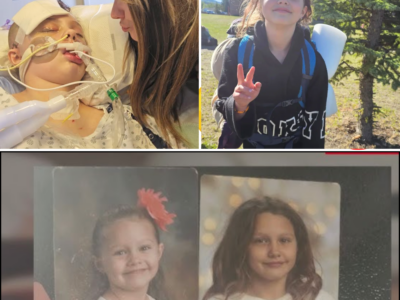
The death of 32-year-old Ashley Flynn on November 12, 2025, was first ruled an accidental fall down the basement stairs of the Flynn family home in rural Lancaster County, Nebraska. The scene appeared straightforward: a wife and mother of two had slipped in the dark, sustaining fatal head trauma and multiple fractures. Yet within 72 hours, the Lancaster County Sheriff’s Office quietly reclassified the case as a homicide after forensic pathologists identified inconsistencies that no simple tumble could explain.
Leading the investigation was the discovery of a single, haunting text message recovered from the deleted folder of Pastor Caleb Flynn’s iPhone. Sent at 10:47 p.m. on November 11—less than seven hours before Ashley’s body was discovered—the message read: “It’s almost done.” It was addressed to a contact saved only as “E,” later identified as Emily Harper, 29, a worship leader at a nearby evangelical church. Harper’s reply—“Be careful ❤️”—arrived seconds later. Both messages were deleted within four minutes, but forensic recovery tools pulled them from iCloud backups and carrier metadata, preserving what prosecutors now call the “smoking gun” of premeditation.
Caleb Flynn, 35, senior pastor at Grace Community Church, had built a public image as a devoted family man and gifted preacher. He and Ashley had been married nine years; their children were 6 and 3. Church members described the couple as “the heart of our community,” with Ashley leading the children’s ministry and Caleb delivering sermons on marriage, fidelity, and spiritual integrity. Behind that facade, investigators allege, Flynn had been conducting an 18-month affair with Harper that began at a regional worship conference in early 2024.
Recovered WhatsApp threads—also deleted but restored through cloud archives—showed intimate conversations, late-night meetups at motels outside Lincoln, and increasingly explicit discussions about “being free.” One October 2025 exchange from Harper read: “You deserve happiness without the guilt. We can start fresh.” Prosecutors argue these messages, combined with the timing of the “It’s almost done” text, demonstrate motive: Flynn wanted to end the marriage without the scandal of divorce, which would have cost him custody, church leadership, and community standing. A tragic “accident” would elicit sympathy and allow him to quietly transition to a new relationship.
Physical evidence dismantled the accident theory. Ashley’s autopsy revealed defensive bruising on both forearms, contusions inconsistent with a single fall, and carpet fibers under her fingernails that matched the living-room rug rather than the basement stairs. Blood-spatter analysis showed high-velocity impact patterns on the stairwell wall, suggesting she was struck at standing height before being moved. Luminol exposed cleaned blood traces in the master bedroom and hallway—areas Caleb insisted he had not entered after putting the children to bed. A neighbor’s Ring camera captured a silhouette matching Flynn’s height and build carrying a large object from the house to the garage at 1:50 a.m.—three and a half hours before the 911 call.
Cell-phone location data further tightened the timeline. Flynn’s device remained in the master bedroom until 1:32 a.m., then moved to the living room, hallway, and basement—exactly where blood evidence was later found. Harper’s phone pinged a tower less than two miles from the Flynn residence at 2:14 a.m., placing her vehicle in the area during the critical window.
Flynn called 911 at 5:22 a.m., tearfully reporting that he had found Ashley unresponsive at the bottom of the stairs after hearing a noise. Paramedics pronounced her dead at the scene. He initially told detectives she had “a couple glasses of wine” and likely tripped. Toxicology later showed only trace alcohol—far below the level needed to cause severe impairment.
On February 18, 2026, Flynn was arrested and charged with first-degree murder and tampering with physical evidence. He has pleaded not guilty. His defense maintains the text was innocuous—possibly referring to a surprise anniversary gift—and that all physical evidence is circumstantial. Harper has not been charged but remains a person of interest; she has refused further comment, citing her Fifth Amendment rights.
The case has fractured Grace Community Church. Attendance has dropped by more than half, elders have removed Flynn from all duties, and many members have left entirely. A memorial service for Ashley drew hundreds who remembered her as gentle, creative, and deeply committed to her children and faith. Friends described her as someone who “always saw the best in people—even when they didn’t deserve it.”
Prosecutors are seeking life without parole. The trial, set for late summer 2026, is expected to hinge on digital-forensic testimony. Experts anticipate fierce battles over the admissibility of recovered messages, the interpretation of location data, and whether the physical evidence definitively proves homicide over accident.
Ashley’s children are now living with her sister. A trust fund in her name supports domestic-violence prevention programs and digital-privacy education for families. Regardless of the verdict, the betrayal has left a permanent wound in a small town that once trusted Pastor Flynn as a moral compass. The three-word text—“It’s almost done”—remains the haunting centerpiece of a case that has forced an uncomfortable reckoning with hidden lives, secret affairs, and the power of data that refuses to stay deleted.