Pastor’s Deadly Deception: Former American Idol Star Accused of Drugging Daughters and Staging Wife’s Murder to Cover Affair and Divorce.
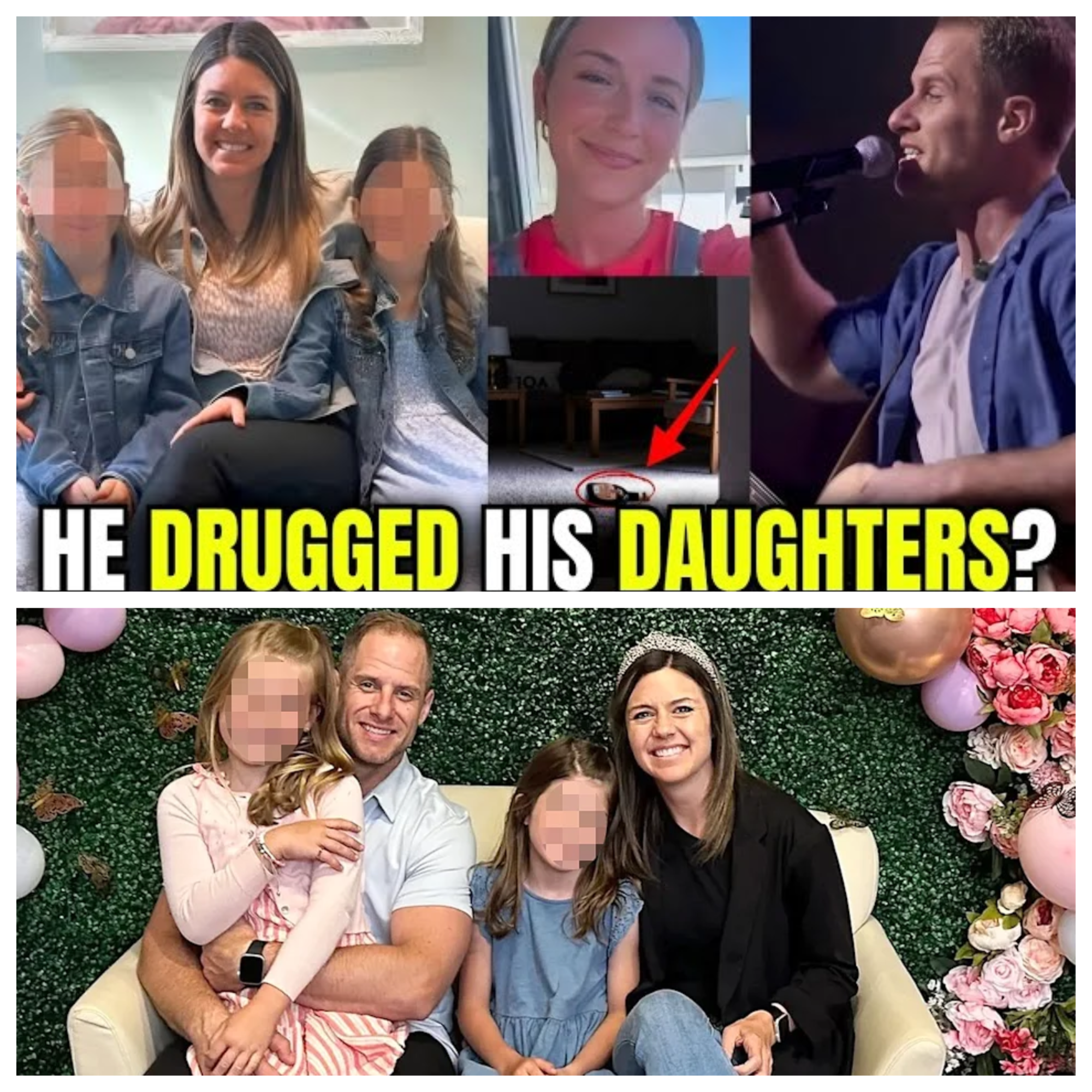
The quiet suburb of Tipp City, Ohio, was rocked in mid-February 2026 when a 911 call shattered the early morning calm. Caleb Flynn, a respected pastor at Christian Life Center and a former contestant on American Idol, reported a terrifying home invasion at his Cunningham Court residence. He claimed an intruder had broken in, attacked his family, and fled. When police arrived, they found his wife, Ashley Flynn, a beloved elementary school teacher and mother of two, dead from multiple gunshot wounds to the head. The family’s 9mm handgun, kept in the home, was the murder weapon. Yet, as investigators dug deeper, the story unraveled into one of the most shocking cases of domestic betrayal in recent memory.
The incident occurred on February 16, 2026. Flynn told authorities he had been sleeping on the living room couch due to a persistent cough, while Ashley slept in their bedroom. He claimed to have woken to the sound of gunshots and discovered his wife unresponsive. In bodycam footage released later, Flynn appeared distraught, collapsing outside in tears as he begged officers to help his wife. He insisted a burglar had targeted their home, but several red flags emerged almost immediately.
First, there were no signs of forced entry. The garage door had been left open, but a refrigerator positioned inside blocked any easy access—suggesting the “intruder” either knew the layout intimately or the scene had been manipulated. Nothing of value was stolen; electronics, jewelry, and cash remained untouched. Most disturbingly, the couple’s two elementary-school-aged daughters slept through the entire ordeal: gunshots ringing out, sirens wailing, police swarming the house, and emergency lights flashing. Toxicology reports later confirmed the girls had been given sedatives strong enough to keep them unconscious during the chaos, raising immediate questions about who administered them and why.
As detectives interviewed Flynn, inconsistencies mounted. Phone records revealed a months-long affair between Flynn and Aaliyah Botner, the worship leader at his church. In the hours leading up to the murder, Flynn sent Botner a cryptic text at 12:42 a.m.: “It’s almost done.” Less than two hours later, Ashley was dead. Botner, who had been in close contact with Flynn, resigned from her church position abruptly after his arrest and deleted her social media accounts. While she has not been charged, her sudden withdrawal fueled speculation about her knowledge or involvement.
The motive appeared tied to a deteriorating marriage. Sources close to the investigation indicated Flynn and Ashley had been discussing divorce, with tensions escalating over finances, his alleged infidelity, and possibly other personal matters. Ashley, described by colleagues and friends as a devoted mother and dedicated educator, had confided in some that she felt unsafe or trapped in recent months. The staged burglary theory gained traction when forensic analysis showed the shooting occurred at close range while Ashley slept, execution-style, with no defensive wounds—contradicting any struggle with an unknown assailant.
Caleb Flynn was arrested within four days, on or around February 20, 2026, and booked into the Miami County Jail. He faces charges of murder, two counts of tampering with evidence, and two counts of felonious assault. He entered a not guilty plea and is being held on a $2 million bond in solitary confinement, with no contact allowed to his children. A preliminary hearing, originally scheduled for late February, was postponed to March 26, 2026, to allow time for additional lab results, including full toxicology and ballistics reports.
The community reacted with profound disbelief and grief. Parishioners at Christian Life Center, where Flynn had preached messages of faith and family, struggled to reconcile the charismatic pastor they knew with the man now accused of such calculated cruelty. Ashley’s colleagues at her school mourned the loss of a vibrant teacher who lit up classrooms with her kindness. Vigils were held outside the family home and at the church, with candles, flowers, and photos of Ashley surrounded by her daughters. “She was the heart of that family,” one friend said. “How could he do this to her—and to their girls?”
The case has sparked wider discussions about domestic violence in seemingly perfect households, the dangers of unchecked infidelity, and the impact of high-profile roles in masking personal turmoil. Mental health advocates point out that untreated stress, jealousy, or desperation can lead to extreme actions, though nothing excuses premeditated murder. Child welfare experts emphasize the trauma inflicted on the daughters—not just the loss of their mother, but the betrayal by their father and the violation of their safety through sedation.
As the legal process unfolds, prosecutors are building a strong circumstantial case: the affair texts, the lack of burglary evidence, the drugging of the children, and Flynn’s access to the weapon. Defense attorneys may argue reasonable doubt or mental health issues, but public sentiment leans heavily toward justice for Ashley. Social media has exploded with hashtags like #JusticeForAshley and #TippCityTragedy, as people share memories of the family and demand accountability.
For the two young girls, now in protective custody with relatives, the road to healing will be long and painful. They awoke to a world without their mother and with their father accused of taking her life. Community fundraisers have sprung up to support their future, covering counseling, education, and basic needs. Tipp City, once known for its peaceful charm, now carries the weight of this tragedy, a stark reminder that darkness can hide behind even the most polished facades.
In the end, what began as a reported home invasion has exposed layers of deception, infidelity, and alleged cold-blooded planning. As evidence continues to emerge, one truth remains clear: Ashley Flynn’s life was taken in the place she should have felt safest, by the person who vowed to protect her. The pursuit of justice for her—and healing for her children—drives the community forward, determined that no more families suffer in silence.