One Step Too Late: The Mother Who Missed Mother’s Day Forever.
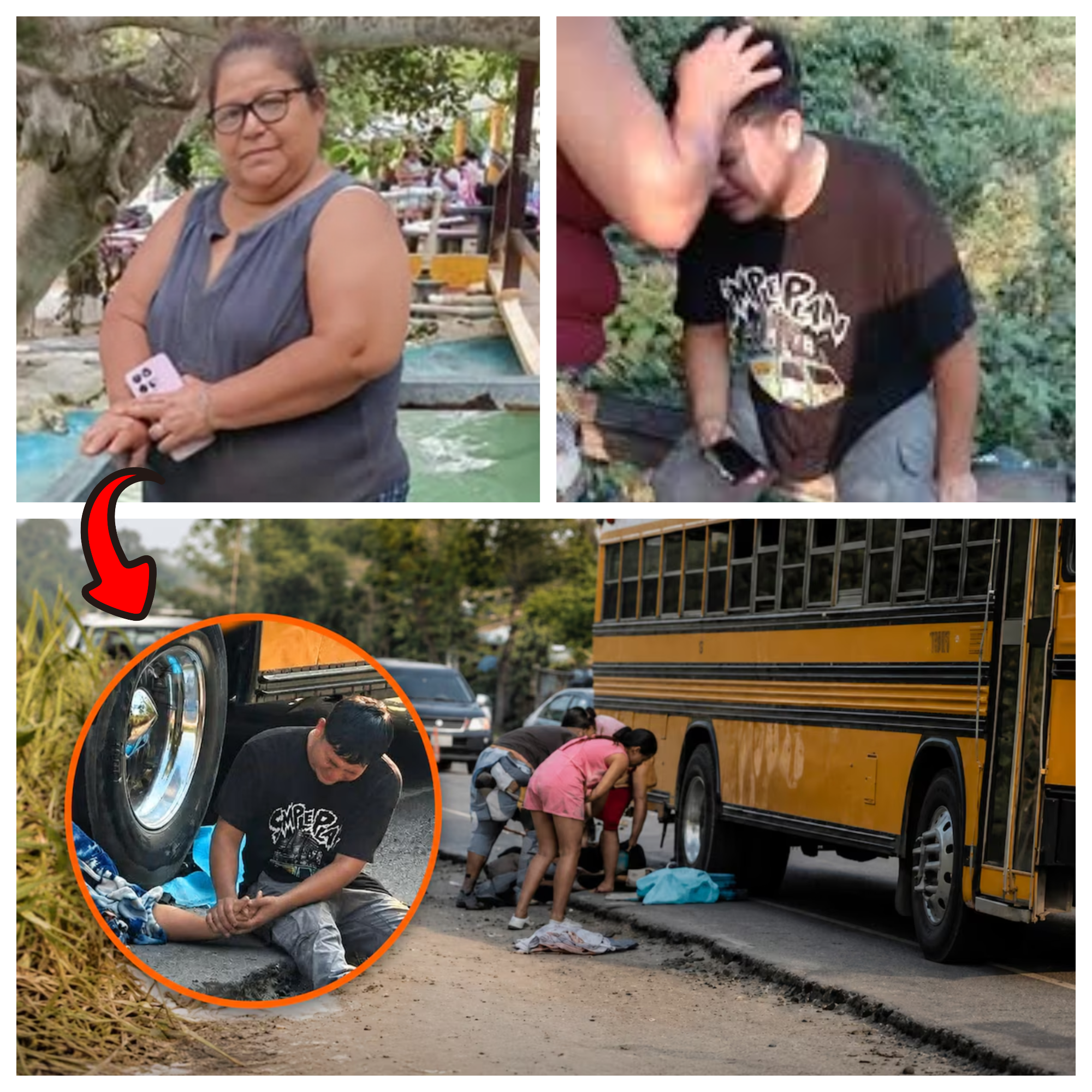
On Friday, May 8, 2026, in the bustling La Pita area of Cofradía, San Pedro Sula, Cortés department, northern Honduras, an ordinary morning commute ended in heartbreak that no family should ever endure. Carmen Hernández López, a 54-year-old mother who had dedicated her life to raising her children through hard work and quiet sacrifice, stepped out that day like she had done countless times before. She had no idea it would be her final journey.
According to preliminary police reports and eyewitness accounts, Carmen had just gotten off a mototaxi and was attempting to cross the busy highway to board her usual Vida Nueva bus route. The bus had stopped to pick up passengers in the typical morning rush. In the chaos of people boarding and alighting, Carmen moved forward at the precise moment the driver began to pull away. Her body was tragically caught beneath the rear wheels, suffering fatal injuries on the spot. Firefighters rushed to the scene but could do nothing more than recover her remains. National Police immediately detained the bus driver for further investigation.
A witness who was present and also works in public transport described the dangerous reality many drivers face. “Sometimes the driver is more focused on passengers getting on and off than on everything happening around the vehicle,” he explained, choosing to remain anonymous when speaking to local media. He recounted how Carmen entered the space between the stopped bus and moving traffic, leading to the irreversible accident.
What has made this tragedy resonate so deeply across Honduras and beyond is the arrival of Carmen’s son at the scene. Overwhelmed by grief, he pushed through the crowd and found his mother still partially trapped. In raw footage now circulating online, the young man grips her hand, his voice cracking with unbearable pain as he cries out: “Why not me? Why did it have to be you, Mom?” Those words, spoken just days before Mother’s Day, have struck a chord with thousands who are now reflecting on their own relationships with their mothers.
Instead of celebrating the woman who gave him life on Sunday, May 10, this son must now organize her burial. The cruel timing has amplified the sorrow felt by the entire community. Neighbors remember Carmen as a resilient, humble woman who took the same route daily, always determined to provide for her family despite life’s hardships. She represented countless mothers in Honduras who work tirelessly in difficult conditions to keep their households afloat.
This incident sheds harsh light on the persistent road safety crisis in Honduras and much of Central America. High-traffic zones like La Pita, with informal bus stops, poor pedestrian crossings, and heavy morning congestion, create constant danger. Drivers operate under pressure to maintain schedules, while pedestrians often take risks to catch their rides. Experts have repeatedly called for better infrastructure—clearly marked crossings, speed bumps near stops, and stricter enforcement of traffic regulations—but change has been slow.
Carmen’s death is another painful reminder that these accidents are not rare. Families across the region lose loved ones in similar circumstances every month, yet the systemic issues remain largely unaddressed. The emotional weight of this particular case, occurring right before a holiday meant to honor mothers, has turned personal loss into a national conversation about gratitude, safety, and regret.
As authorities continue their investigation, focus remains on determining the exact circumstances and any potential negligence. For Carmen’s family, however, legal outcomes offer little comfort. The void left behind cannot be filled by reports or court proceedings. Her son’s public display of anguish has inspired an outpouring of support, with many sharing stories of their own close calls or urging loved ones to be more careful.
Those who knew Carmen speak of her warm smile, her strength, and her unwavering commitment to her children. She was the heart of her home, the one who woke up early and worked late so her family could have better opportunities. Her sudden absence leaves behind not just grief but practical struggles for those who depended on her.
In the aftermath, local leaders and safety advocates are once again pushing for immediate improvements. Education campaigns targeting both drivers and pedestrians, improved lighting at high-risk areas, and better regulation of public transport could save lives. Yet for one family in Cofradía, these conversations arrive too late.
The image of a son holding his mother’s hand beneath the shadow of a bus has become a powerful symbol. It captures the fragility of life and the deep bond between parent and child. His desperate question — “Why you and not me?” — echoes the fear every child carries: the terror of losing the person who has always been their foundation.
As Mother’s Day approaches, this story urges everyone to pause and appreciate the mothers still present in their lives. A simple phone call, a hug, or extra time together can mean everything. It also serves as a call to action for safer roads. Every driver, pedestrian, and authority figure has a role to play in preventing future tragedies.
Carmen Hernández López’s story is more than a news report. It is a heartbreaking lesson wrapped in love and loss. May her memory inspire greater care on the streets and deeper appreciation for the mothers walking among us—while we still have the chance to tell them how much they matter.
In Cofradía and across Honduras, the pain is fresh. One mother gone too soon. One family forever changed. And one son who will carry the weight of that Friday morning for the rest of his life.