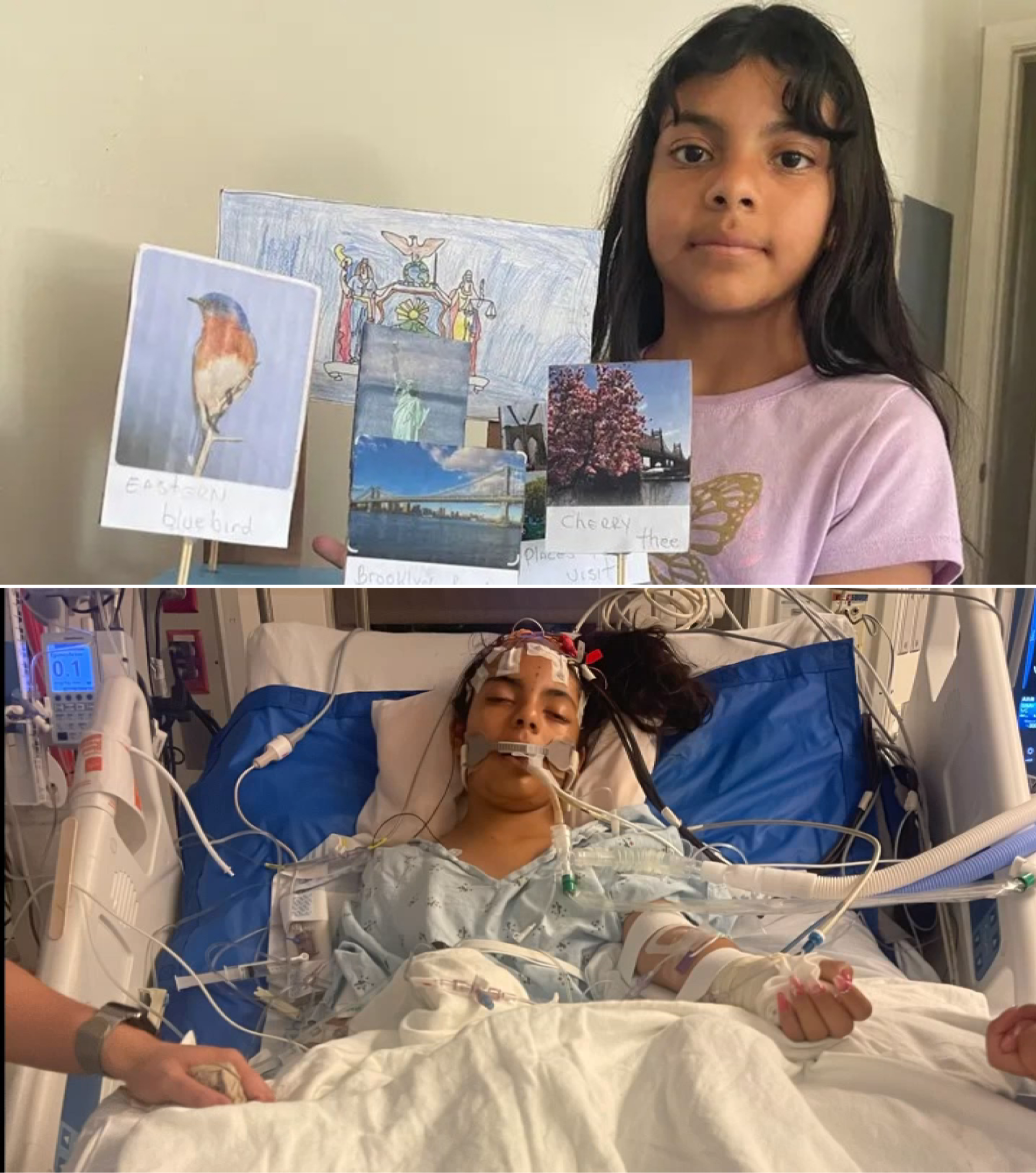
Khimberly Zavaleta Chuquipa was only 12, but she already carried the heart of a protector. On a seemingly ordinary school day at her middle school on the Reseda High School campus, that protective instinct led her into harm’s way. Family members say she stepped in when another student began harassing her younger sister. Words escalated. Then came the throw—a heavy metal water bottle hurled with force, striking Khimberly directly in the head. What appeared at first to be a painful but survivable blow soon unraveled into a medical nightmare that ended with her death and the launch of a homicide investigation by the Los Angeles Police Department.
The incident unfolded in a hallway, a place where school conflicts too often play out unchecked. According to relatives speaking to local reporters, Khimberly did not back down. She confronted the aggressor to shield her sister. The metal tumbler—popular among students for keeping drinks cold—became a makeshift weapon. The impact was immediate and sharp. Khimberly reportedly held her head, complained of pain, but continued through the rest of the day. It was only later, when severe headaches set in and her condition deteriorated rapidly, that the true severity became clear.
She was rushed to a hospital where scans revealed significant brain trauma: swelling, possible hemorrhage, pressure building inside the skull. Emergency surgery followed in an attempt to relieve the intracranial pressure and repair damage. Despite the best efforts of neurosurgeons, Khimberly did not survive. She passed away on the morning of February 25, 2026, leaving her family shattered and a community searching for answers.
LAPD homicide detectives took over the case after medical examiners determined the manner of death warranted criminal scrutiny. While authorities have stopped short of declaring the water bottle incident the definitive cause of death, the investigation centers on establishing causation. Detectives are reviewing witness statements from students and staff who were in the hallway, examining any available security camera footage, and consulting forensic pathologists about the mechanics of blunt force head trauma in children. The metal bottle’s weight and velocity when thrown can generate enough force to cause subdural hematoma or diffuse axonal injury—conditions that may not show immediate external signs but progress rapidly.
The family has been vocal about their belief that the assault directly led to the brain injury. Khimberly’s mother described her daughter as sweet, brave, and fiercely loyal to her siblings. She insists the school environment failed to prevent or properly address the escalating bullying that preceded the physical attack. Relatives say Khimberly had mentioned feeling targeted before, though no formal complaints were documented in the days leading up to the incident.
School administrators released a short statement offering condolences and pledging full cooperation with law enforcement. They have not commented on whether the alleged aggressor faced immediate suspension, expulsion proceedings, or referral to juvenile authorities. The Los Angeles Unified School District, which oversees the campus, emphasized its anti-bullying policies and crisis response protocols but provided few specifics about this case while the investigation remains active.
The broader context makes the tragedy even more painful. Bullying-related violence in schools has drawn renewed attention in recent years, with data showing physical confrontations rising after pandemic disruptions. Metal water bottles, once seen as harmless hydration tools, have appeared in multiple assault reports nationwide due to their size and density. Safety advocates argue schools should restrict such items in common areas or treat them as potential weapons when used aggressively. In California, where thousands of bullying incidents are reported annually, critics say current prevention programs often fall short on enforcement and follow-through.
Community response in Reseda has been swift and emotional. Flowers, candles, and handwritten notes accumulated outside the school gates within hours of the news spreading. Parents gathered for vigils, sharing stories of their own children’s encounters with harassment and calling for immediate reforms: more hallway monitors, mandatory conflict de-escalation training for staff, anonymous reporting systems that actually lead to action, and harsher consequences for repeated offenders. One mother at a vigil told reporters, “We send our kids to school to learn, not to fear for their safety. Something has to change.”
Khimberly’s story has also ignited online outrage. Hashtags like #JusticeForKhimberly and #EndSchoolViolence trended locally as people shared tributes, photos of the young girl smiling in family pictures, and demands for accountability. Many expressed frustration that a child defending her sister paid with her life, while others questioned why the altercation reached the point of physical violence in the first place. Online petitions have circulated calling for an independent review of the school’s handling of prior bullying reports.
For the LAPD, the case presents delicate challenges. Classifying it as homicide allows the broadest investigative powers, including subpoena authority for medical and school records. No juvenile has been publicly charged, and the alleged thrower remains unnamed due to age protections. Detectives continue to interview classmates, teachers, and anyone who may have seen the bottle being thrown or Khimberly’s immediate reaction. If evidence confirms the assault caused the fatal injury, possible charges could range from assault with a deadly weapon to involuntary manslaughter, depending on intent and foreseeability.
The loss has left Khimberly’s family grappling with unimaginable grief. Her mother speaks of a girl who loved drawing, playing with her siblings, and dreaming about her future—dreams now silenced. Relatives say they want answers, not just for justice, but to prevent another family from enduring the same pain. They have urged the school district and lawmakers to treat bullying as the serious threat it is, not a rite of passage.
As the homicide investigation unfolds, Reseda—and the wider Los Angeles community—mourns a child whose act of courage became her last. The metal water bottle that once held someone’s drink now symbolizes how quickly schoolyard cruelty can turn lethal. Every parent who drops their child at school carries a quiet fear that no policy can fully erase: that one moment of unchecked aggression could change everything forever.