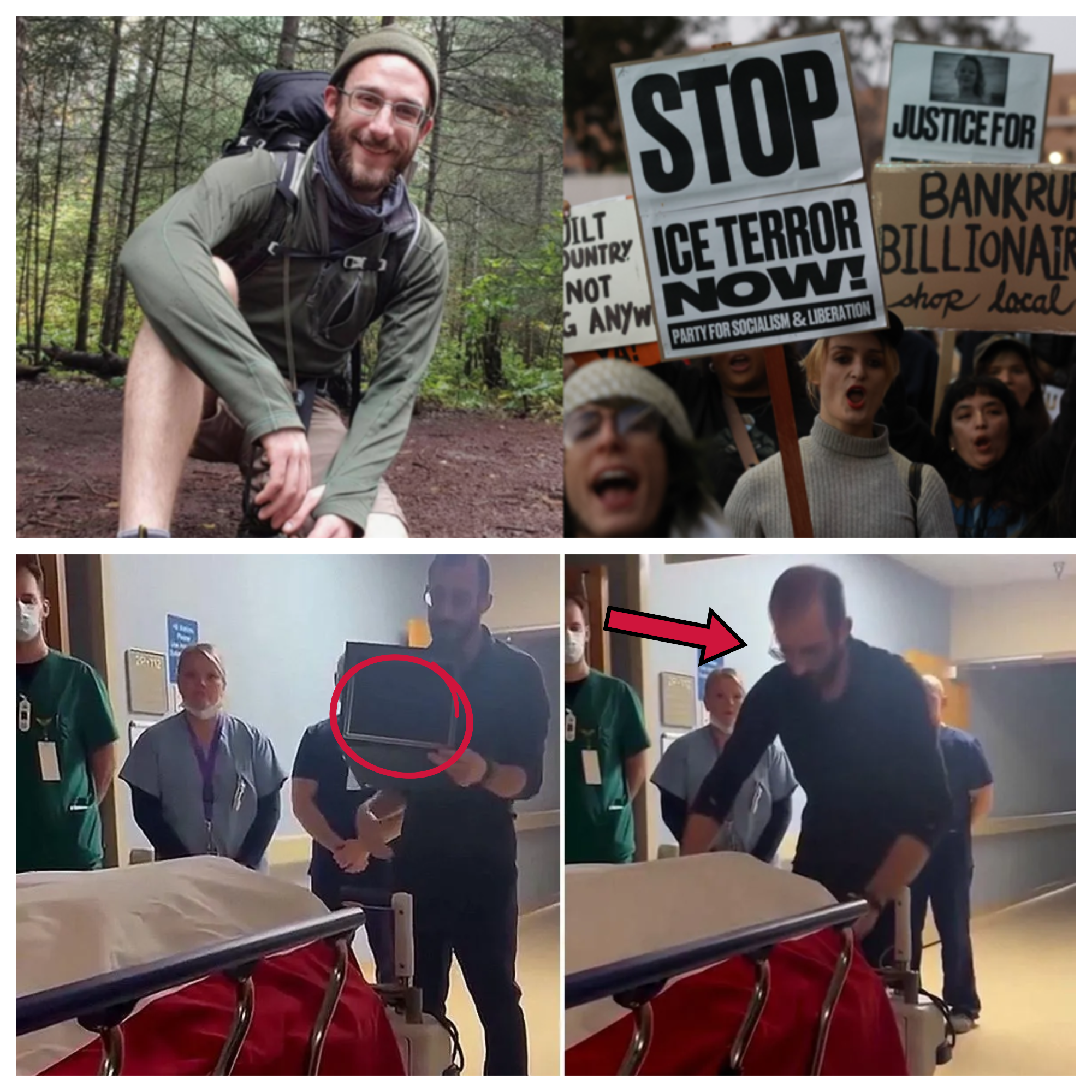
A touching video of compassion and respect has taken on heartbreaking new meaning. In December 2024, intensive care nurse Alex Pretti stood at the bedside of Air Force veteran Terrance Lee Randolph at the Minneapolis VA Health Care System. Randolph, aged 77, had just passed away after receiving end-of-life care from Pretti, who provided morphine for comfort and guided the family through the final moments, including turning off oxygen support.
Rather than simply stepping away, Pretti performed a solemn final salute. He read a tribute honoring Randolph’s military service, delivering words that resonated deeply: “Today we remember that freedom is not free. We have to work at it, nurture it, protect it and even sacrifice for it.” The moment, captured on video, captured quiet dignity amid grief. Randolph’s son, Mac, later shared the clip online, explaining he had hesitated but felt compelled after recent events. “He read my dad’s final salute at the VA after he passed away. Never wanted to share this video, but his speech is very on point,” Mac wrote.
Pretti, 37, was known among colleagues and patients as exceptionally kind. Hired in 2014 as a research assistant at the Minneapolis VA, he pursued nursing to work directly with vulnerable veterans. After earning his biology degree from the University of Minnesota in 2011, he returned to school and became a registered nurse in Minnesota in 2021. Colleagues described him as bright, team-oriented, quick with humor, and genuinely dedicated. Dr. Aasma Shaukat, who hired him early on, recalled his drive to serve patients he viewed as particularly at risk. Fellow staff called him a “sweetest, kindest soul” with an infectious spirit.
An avid outdoorsman, Pretti enjoyed adventures with his Catahoula Leopard dog, Joule (who passed away recently). Raised in Green Bay, Wisconsin, he participated in sports, Boy Scouts, and choir during high school before moving to Minnesota. Family and neighbors portrayed him as warm, helpful, and deeply caring—someone who quietly supported those around him.
That image clashed violently with events on January 24, 2026. Pretti was fatally shot by U.S. Border Patrol agents in Minneapolis during a confrontation tied to ongoing federal immigration enforcement operations. The incident occurred amid heightened tensions in the city, following earlier shootings involving federal agents and widespread protests against ICE actions.
The Department of Homeland Security stated agents acted in self-defense after Pretti approached officers armed with a handgun and resisted disarmament. Pretti held a valid concealed carry permit, and officials described him as an armed agitator. However, multiple bystander videos circulated online show a different sequence: Pretti appeared to be holding a phone while filming or directing traffic, with no visible weapon in hand. Agents deployed a substance, tackled him, and fired multiple shots—some reportedly while he was pinned down or motionless. Media outlets, including Reuters, BBC, The New York Times, and The Guardian, reviewed footage and noted the absence of a clear gun.
Pretti’s family rejected the official narrative as “sickening lies.” His father, Michael Pretti, told reporters his son cared profoundly about people and was distressed by immigration enforcement tactics, like millions of others. Relatives emphasized his commitment to helping others, not violence.
The shooting marked the third such incident involving federal agents in Minneapolis within weeks, following the fatal shooting of Renée Good on January 7. Protests swelled, drawing thousands. Pretti’s death prompted vigils where nurses, healthcare workers, and community members honored him with candles, flowers, stethoscopes draped on memorials, and pledges to continue his service. Unions like the American Federation of Government Employees, National Nurses United, and American Nurses Association condemned the incident, calling for full investigations and criticizing immigration policy as reckless and a public health threat.
The viral resurgence of the 2024 salute video amplified the tragedy. Mac Randolph noted his father’s final words—“continue to fight the good fight”—and believed he would have honored Pretti’s actions while disapproving of the administration’s approach. Viewers flooded social media with tributes, contrasting Pretti’s dedication to veterans with the circumstances of his death. Some athletes and public figures weighed in, criticizing the handling and calling for ICE reform or abolition.
Pretti’s story underscores deep divides over immigration enforcement, protest rights, and accountability for federal actions. For those who knew him, it remains a profound loss: a nurse who saluted sacrifice, only to become one himself in a moment that continues to spark national debate and mourning.