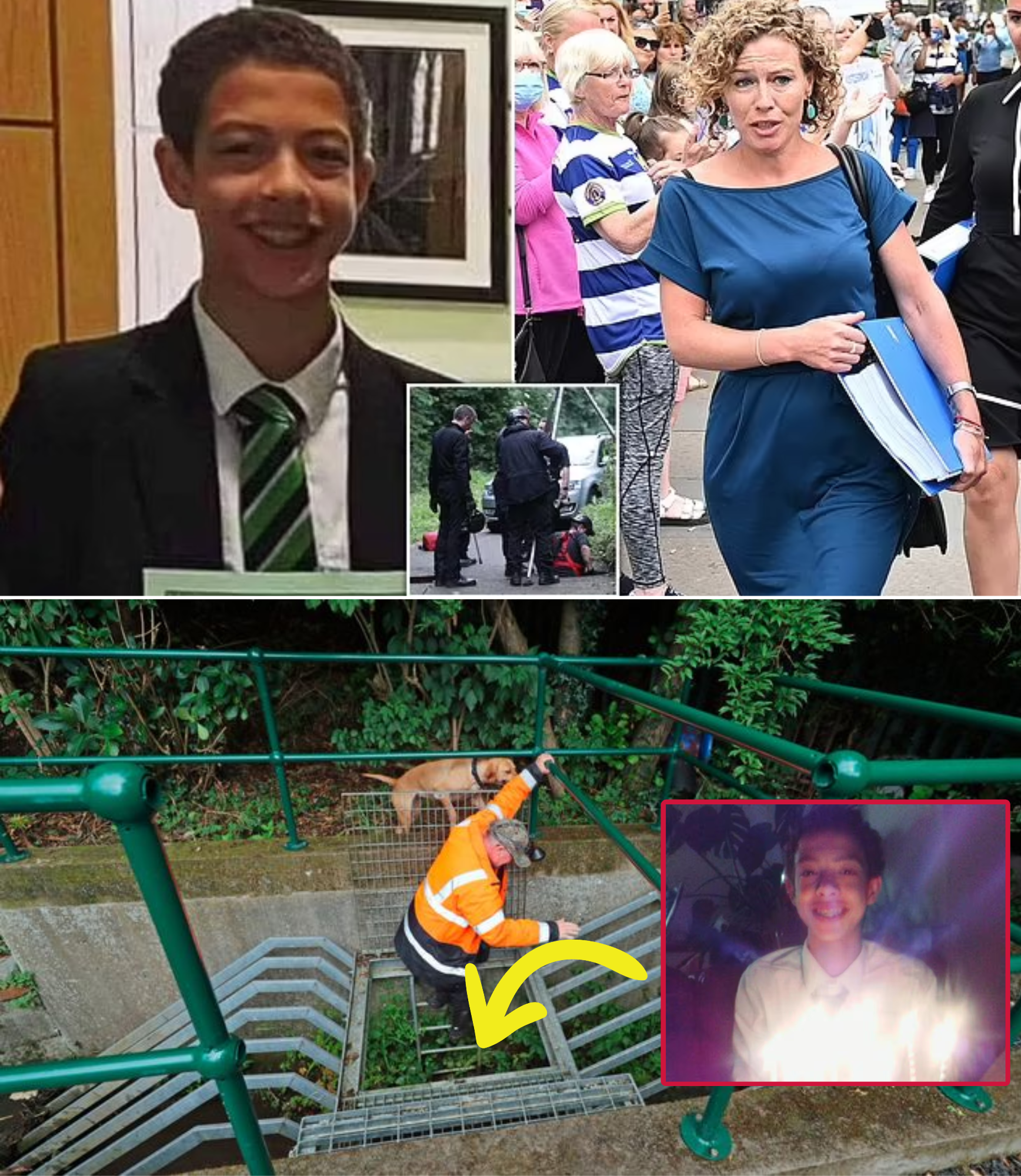
Live testimony at the inquest into the death of 14-year-old Belfast teenager Noah Donohoe has revealed a stark contrast in recollections: while his mother described finding him crying alone in his bedroom the afternoon he disappeared, his closest friends told the court they had absolutely no concerns about his mental health in the lead-up to June 25, 2020. The hearing at Laganside Courthouse continued in January 2026 with emotional evidence from Charlie Rocks and Jay Tierney, who portrayed Noah as a consistently bright, sociable and optimistic boy—seemingly untouched by any serious distress.
Charlie Rocks, widely regarded as Noah’s best friend, spoke with visible emotion about their friendship. He described Noah as “the nicest, friendliest, funniest person” he had ever known and “the smartest kid, always asking questions.” Rocks said Noah was popular at St Malachy’s College, knew virtually everyone, and had been genuinely looking forward to the end of lockdown restrictions. He acknowledged that Noah had become “a bit more eccentric” during adolescence and the prolonged isolation of Covid, but insisted there were no warning signs of deeper mental health struggles. Noah had once casually mentioned feeling “blue,” yet he had also begun talking more openly about his feelings—something Rocks viewed as a healthy and positive development. The two friends frequently discussed girls, shared interests, and exchanged book recommendations (Noah once suggested Jordan Peterson’s 12 Rules for Life, which Rocks turned down with a laugh). Rocks emphasised that their conversations were open and trusting; he was unaware Noah sometimes stayed overnight alone at the Belfast apartment and confirmed Noah identified as straight based on everything they talked about.
Jay Tierney offered a similar picture. He remembered Noah as outgoing, kind-hearted and someone who naturally brought energy to any group. Both friends were adamant that Noah never showed any fascination with storm drains, tunnels, underground spaces or anything that might explain how he ended up inside a drainage system six days after vanishing. Rocks stressed that if Noah had been curious about such things, he would have talked about it openly during their near-daily online chats throughout lockdown. The social media messages between the three boys contained nothing unusual—no dark humour, no hints of despair, no cryptic references—just ordinary teenage banter.
This testimony stands in direct tension with earlier evidence from Fiona Donohoe. She told the inquest she discovered Noah crying in his room that afternoon and tried to comfort him without success. Later, when he failed to return home after cycling out to meet friends in the Cavehill area, she made a desperate 999 call. The emergency recording, played in court, captured Fiona’s trembling voice as she gave Noah’s description, his planned route, and her mounting terror that something had gone wrong. She repeatedly called him a “good boy” who always stayed in touch and never stayed out late without telling her. The anguish in her voice underscored how suddenly and completely her world changed.
CCTV footage shown to the jury traces Noah’s movements: cycling through Belfast city centre and heading north. Motorist Donna Blain reported seeing him fall from his bike on North Queen Street; he looked embarrassed, glanced around, lifted the bike, left his coat behind and rode on. The final confirmed image—the most troubling—shows Noah pedalling completely naked, an action his mother, friends and other witnesses all described as utterly out of character. No reason has been offered for why he removed every item of clothing.
Noah’s body was recovered six days later from a storm drain in the Duncairn Gardens area of north Belfast. The discovery fuelled widespread anger over perceived failures in the initial search, delays in releasing CCTV and other evidence, and questions about police conduct. Fiona Donohoe has led a tireless campaign for full transparency, establishing The Noah Donohoe Foundation to push for better mental health resources for young people and stronger safeguards for children.
The inquest continues to probe what may have contributed to the tragedy. Fiona expressed worry about Noah’s emotional state that day, highlighting the fact he had been crying alone in his room. Yet his friends’ evidence suggests no visible signs of severe distress or suicidal intent. No evidence of substance use has come to light, and the “out-of-character” actions—abandoning his coat, cycling naked—remain unexplained. The coroner has renewed appeals for any additional information about Noah’s movements, possessions or possible earlier outings that day.
The lockdown context of 2020 has also been raised. Noah and his friends spent much of their time indoors, staying connected online and eagerly planning for life to resume. While the isolation and typical pressures of adolescence may have affected him more than he showed, his friends insisted he never gave any indication of serious struggle. Rocks and Tierney were clear: if Noah had been troubled or interested in storm drains or underground spaces, he would have talked about it freely.
The nine-man, two-woman jury must ultimately determine how Noah came by his death—whether by misadventure, accident or other means—while considering the fragmented CCTV, the accessibility of the storm drain, witness statements and investigative timelines. Proceedings are scheduled to continue into March 2026, with further expert evidence on the drainage system and additional witnesses still to appear.
For Fiona Donohoe and the thousands who have supported her over the years, the inquest remains a painful but essential search for answers. Noah is remembered by his friends as exceptionally intelligent, kind, curious and full of laughter—a boy whose final hours are still wrapped in mystery. The tension between his friends’ certainty that he was happy and his mother’s memory of him crying alone in his room is one of the most poignant and disturbing aspects of the case. As live testimony continues, the hope persists that the truth—however painful—will eventually provide some measure of peace to those who loved him most.