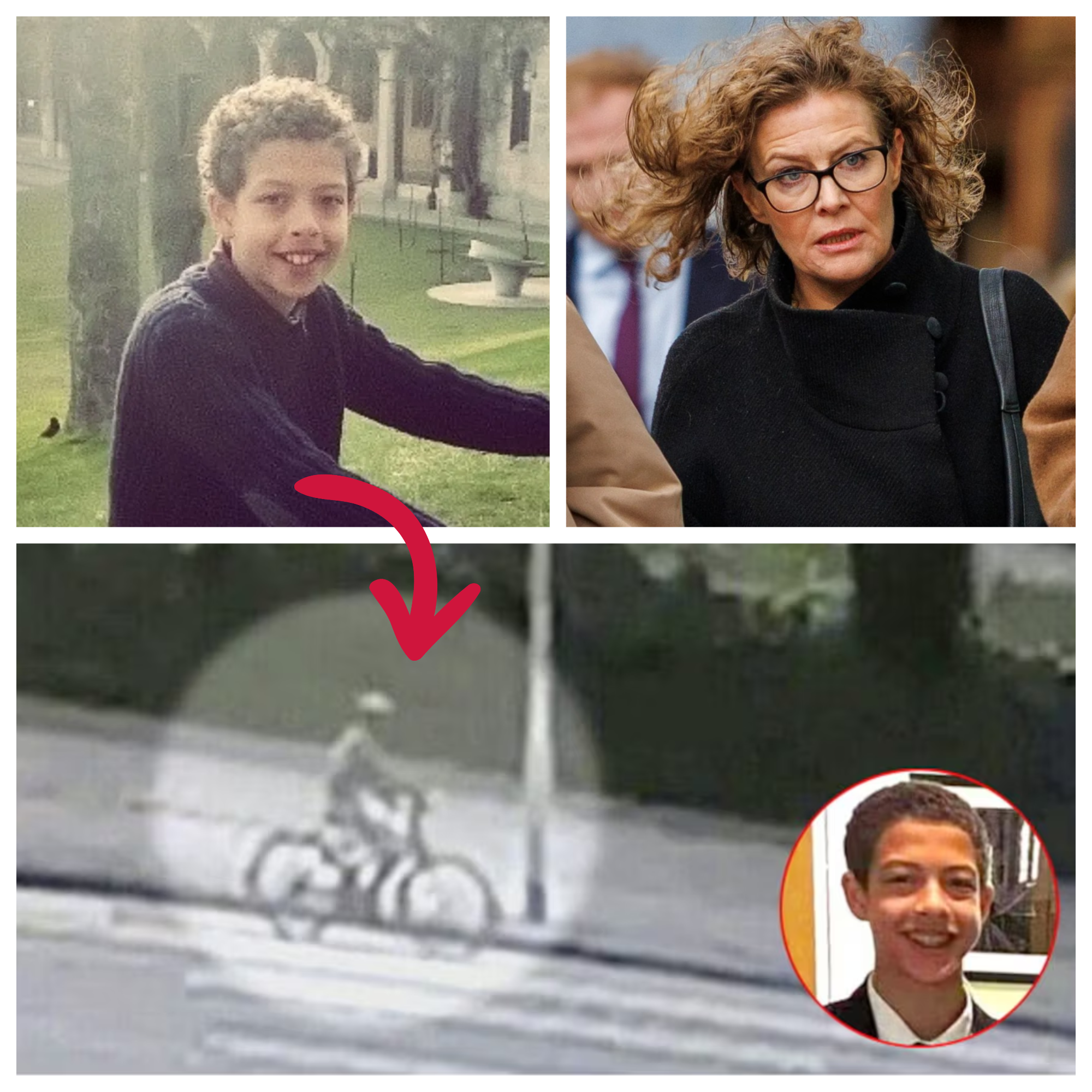
The inquest examining the death of 14-year-old Noah Donohoe has reached its most emotionally charged stage with the public disclosure of CCTV footage capturing the Belfast schoolboy’s final known movements—cycling stark naked through the city’s streets just before he disappeared without trace. The nine-minute compilation of non-continuous clips, shown to the jury at Laganside Courthouse in January 2026, traces Noah from his home on Fitzroy Avenue to the point where he vanishes into the night on June 25, 2020. Six days later his body was recovered from a storm drain in north Belfast, closing one chapter of a mystery that has gripped Northern Ireland for years while opening countless others.
Noah, a bright and popular student at St Malachy’s College, left his apartment that evening to meet friends in the Cavehill area. He wore a cycling helmet and carried a backpack. Early footage shows him navigating familiar routes through the city centre and heading north. A pivotal sighting came from motorist Donna Blain, who told police she observed Noah fall from his bicycle on North Queen Street. He appeared embarrassed, glanced around, picked up the bike, left his coat behind on the ground, and continued cycling. Blain, who first contacted authorities during the missing-person search but provided a formal statement ten months later, reported no visible injuries or signs of distress at that point.
The most disturbing segment—the last confirmed image of Noah alive—shows him pedaling completely naked. The clip, described as fragmented and non-continuous, leaves a critical gap in the timeline. What prompted the teenager to remove all his clothing remains unexplained. Noah was discovered dead six days later inside a storm drain in the Duncairn Gardens area. The grim find triggered immediate questions about how he entered the drain, whether foul play was involved, and why initial searches failed to locate him sooner.
Testimony from Noah’s closest friend, Charlie Rocks, offered a window into the boy’s character. Rocks described Noah as “the nicest, friendliest person, funniest person” and “the smartest kid, always asking questions.” He was sociable, knew everyone at school, and seemed excited about life post-lockdown. Rocks noted Noah had become “more eccentric” during adolescence and the Covid restrictions but saw no red flags for serious mental health issues. Noah once admitted feeling “blue,” yet Rocks interpreted his growing willingness to discuss emotions as a healthy development. They talked about girls, shared books (Noah recommended Jordan Peterson’s 12 Rules for Life, which Rocks politely declined), and maintained a deep bond. Rocks was unaware Noah sometimes stayed overnight alone in his Belfast apartment and confirmed from their conversations that Noah identified as straight.
Social media exchanges between Noah, Rocks, and friend Jay Tierney showed typical teenage banter—no indications of fascination with storm drains, tunnels, underground exploration, or anything that might explain his final location. Rocks insisted Noah would have shared such interests openly during their frequent lockdown chats.
Noah’s mother, Fiona Donohoe, recounted her initial 999 call and pre-recorded statement, expressing concern about her son’s emotional state that day—he had been crying in his room. The jury, composed of nine men and two women, has been told the proceedings are expected to run into March 2026, with additional CCTV analysis, expert evidence on the storm drain system, and further witness testimony still to come.
The disappearance sparked one of the largest missing-person searches in Northern Ireland’s history. Public frustration grew over perceived delays in evidence release, gaps in CCTV coverage, and questions about police procedure. Protests in 2022 and again in 2025 drew thousands demanding full transparency. Fiona established The Noah Donohoe Foundation to honor her son’s memory and advocate for better mental health support and child safety measures.
The naked cycling footage has become the single most haunting element of the case. No clear explanation has emerged for why Noah removed his clothing. Theories have ranged from acute distress or disorientation to possible substance influence, heat-related confusion, or an attempt to cool down or escape discomfort. Forensic experts have yet to provide conclusive cause of death in open sessions, and the coroner continues to appeal for any information about Noah’s movements, belongings, or possible earlier outings that day.
The inquest jury must ultimately determine how Noah came by his death—whether by misadventure, accident, or other means—while weighing the fragmented CCTV, the storm drain’s accessibility, witness accounts, and investigative timelines. For many observers, the image of a boy riding naked into the darkness symbolizes not just personal tragedy but broader failures in safeguarding vulnerable young people during a time of uncertainty.
Fiona Donohoe and her supporters continue to seek answers that go beyond the footage: why certain CCTV was delayed or missing, how Noah ended up in the drain, and whether earlier intervention could have changed the outcome. Noah is remembered by those who knew him as exceptionally intelligent, kind, and full of curiosity—a boy whose life was cut short far too soon. The CCTV of his final ride remains the last visual record of that curiosity turning into something inexplicable, a silent frame that continues to demand explanation in a city still searching for closure.