“My Son Is Sick” Lie Crumbles: Campitelli’s Final WhatsApp Message Exposes Perez’s Deadly Motive.
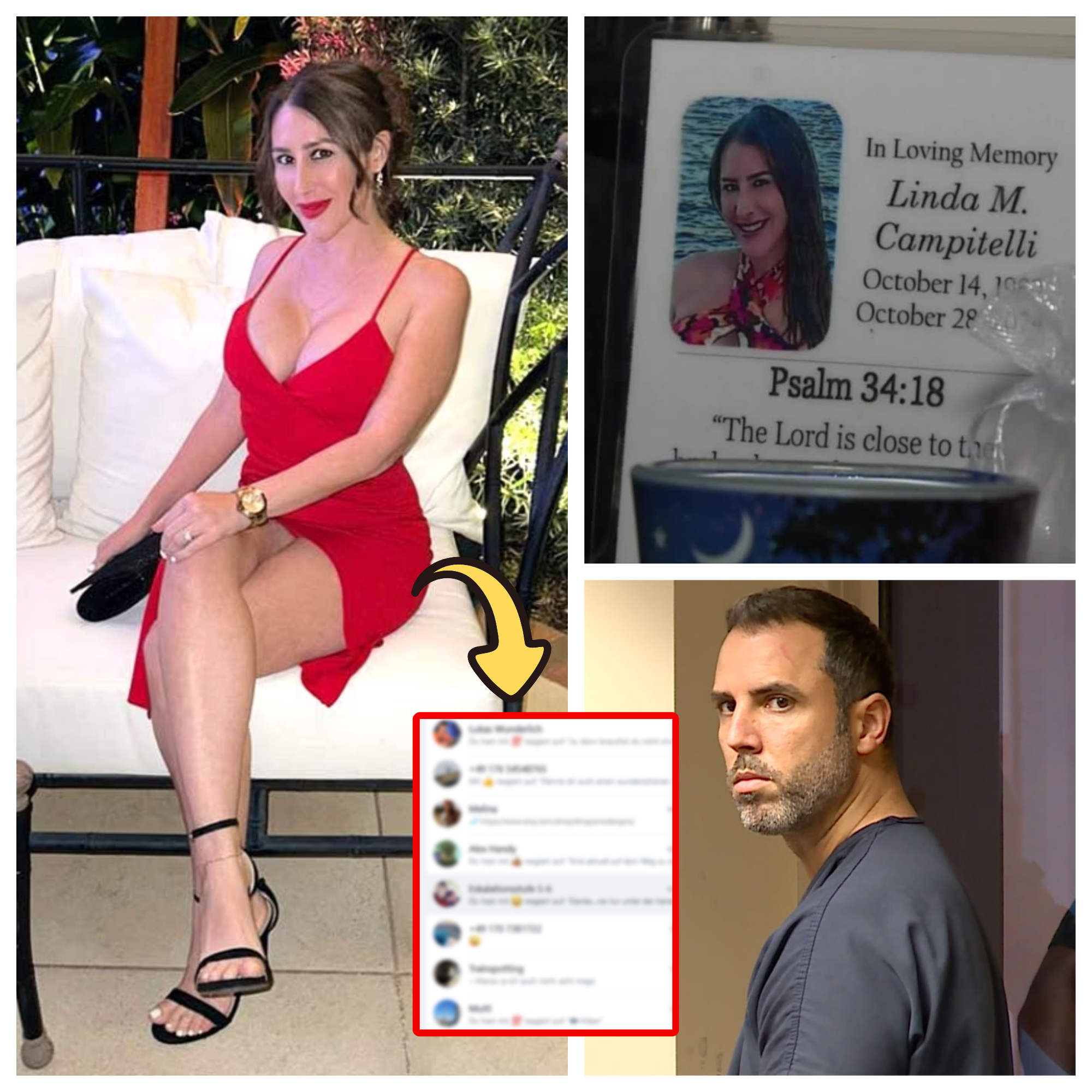
Rene J. Perez’s claim that he canceled a planned meeting with Linda Campitelli because his young son was ill has collapsed under new evidence recovered from the victim’s phone. The 38-year-old registered nurse, charged with first-degree murder in the October 2024 strangulation and beating death of his former lover and coworker, told detectives the “belated birthday surprise” never took place due to a family emergency. Yet WhatsApp messages sent by Campitelli to Perez just one day before her body was found reveal a far more sinister intent—and directly contradict his alibi.
According to the updated probable cause affidavit released by the Palm Beach County Sheriff’s Office, Campitelli sent Perez a series of increasingly anxious messages on October 27, 2024—the day before she was killed. In one exchange, she wrote: “You keep saying you want to see me but then make excuses. If you’re not coming tomorrow just tell me. I’m tired of the games.” Perez replied with vague reassurances, insisting he would be there and adding, “I need to talk to you face to face. It’s important.” Campitelli responded with visible frustration: “You always say that. Last time you showed up you wouldn’t leave when I asked. I’m only agreeing because you said this would be the last time.”
The messages, timestamped and authenticated through forensic digital extraction, directly undermine Perez’s assertion that the meeting was canceled. Cell-phone data, cell-tower pings, and surveillance footage from the Lyons Road area place Perez in Campitelli’s Chevrolet Tahoe on the night of October 28. Prosecutors argue the “son is sick” excuse was fabricated after the fact to explain why he never reported the planned rendezvous to anyone—and why he appeared at the hospital where he worked later that evening looking agitated.
Campitelli’s body was discovered around 10:20 p.m. along the 6100 block of Lyons Road in Lake Worth Beach. She had been dragged approximately 50 feet from her SUV, suffering catastrophic blunt-force trauma to the head and torso, multiple rib and skull fractures, ligature marks consistent with manual strangulation, and clear signs of prolonged assault. The driver’s door was open, engine running, keys in the ignition—indicators of a sudden, violent interruption. Blood smears on the rear driver-side door handle showed wiping patterns, suggesting an attempt to remove fingerprints and DNA. Her Apple Watch, soaked in her own blood, was found shoved into the center console.
Surveillance from Delray Medical Center, where Perez was on the night shift, captured him arriving on foot shortly after the estimated time of death. At approximately 10:45 p.m., he is seen discarding an unidentified object into an outdoor trash bin near the rear entrance. The item was not recovered—hospital waste had already been collected—but investigators believe it may have been blood-stained clothing, gloves, or another piece of evidence linking him directly to the crime scene.
Perez was arrested in Miami on March 10, 2026, nearly 17 months after the killing. During initial interrogation, he admitted to the two-year affair and the plan to meet Campitelli but insisted the gathering never happened because his son fell ill. He claimed he spent the evening at home. Digital forensics, however, placed his phone in the Lyons Road area during the time of death. A search of his residence uncovered blood-stained clothing, latex gloves containing Campitelli’s DNA, and handwritten notes expressing rage and obsession over her decision to end the relationship and begin seeing someone new.
The WhatsApp exchange has become central to the prosecution’s case. Prosecutors argue the messages show Campitelli was reluctant but ultimately agreed to meet because Perez framed it as “the last time”—a statement they interpret as evidence of premeditation. The content also reveals her fear: references to a previous occasion when he refused to leave her apartment when asked, and her exhaustion with his “games,” suggest a pattern of coercive and controlling behavior.
Campitelli, an ICU nurse at Delray Medical Center, was remembered by colleagues as compassionate, hardworking, and always willing to cover extra shifts. Friends said she had grown increasingly afraid of Perez after ending the affair, confiding that she felt watched and unsafe. Coworkers recalled overhearing arguments in hospital corridors and seeing him follow her to her car after shifts. Despite these red flags, she hesitated to report him formally, fearing professional retaliation in their shared workplace.
The case has shaken the Palm Beach County nursing community. A memorial service drew hundreds wearing purple scrubs—Campitelli’s favorite color. A scholarship fund in her name supports nursing students facing personal or financial hardship. Perez, suspended from his position upon arrest, made his first court appearance on March 11, 2026. Bond was set at $1.5 million; he remains in custody at the Palm Beach County Jail.
This murder underscores the lethal risks of intimate partner violence in high-stress professions like nursing, where long hours and shared trauma can foster intense emotional bonds that turn dangerous. Strangulation and severe beating are among the strongest predictors of eventual homicide in abusive relationships. Experts emphasize that victims in shared workplaces often delay reporting due to fear of career damage, gossip, or loss of livelihood.
The blood-smeared door handle, the hidden blood-soaked Apple Watch, and the damning WhatsApp messages are more than forensic clues—they are silent witnesses to a final struggle and a calculated cover-up. For Linda Campitelli’s family and friends, they represent the unbearable truth that what she believed was a chance for closure became the last night of her life. As the trial approaches, her story stands as a grim warning: in relationships poisoned by obsession and control, even a “birthday surprise” can hide a deadly trap.