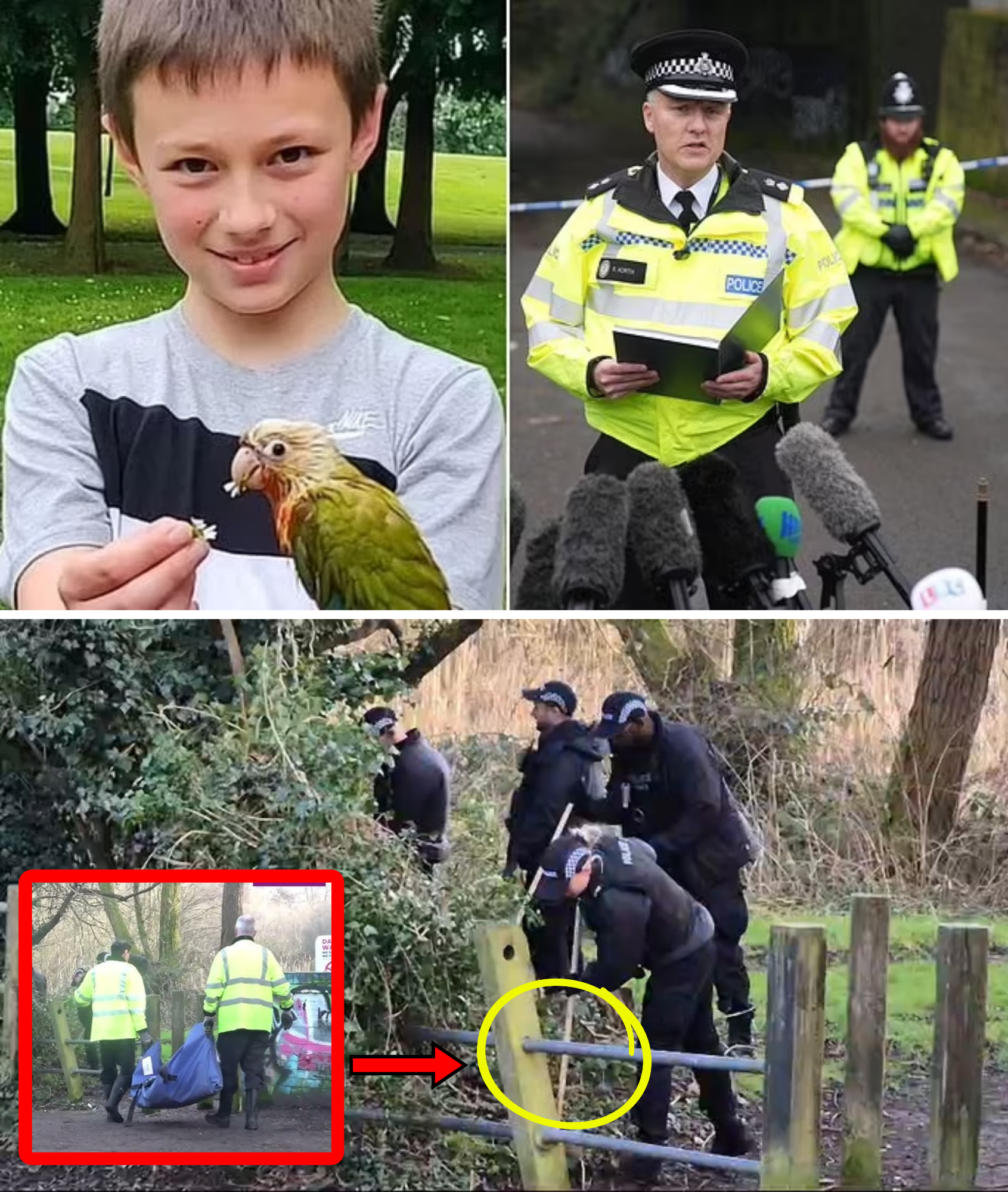
Rachel Fisher’s voice trembles as she speaks of her son Leo Ross, the 12-year-old whose gentle spirit defined him and whose violent death has left an irreparable void. “My son Leo was the sweetest, most kind-hearted boy,” she says. “He didn’t have a bad bone in his body. My baby’s life was stolen for no reason whatsoever. My life will never be the same again without him. He will be loved and missed forever.” These words, delivered after the killer pleaded guilty, carry the weight of a mother’s irreversible heartbreak, a pain that no verdict or sentence can soothe.
Leo was murdered on January 21, 2025, while walking the short, familiar route home from Christ Church C of E Secondary Academy in Yardley Wood, Birmingham. The attack unfolded on a riverside footpath in Shire Country Park, Hall Green. He had been on the phone with his best friend Max, excitedly planning to meet near a specific tree in Trittiford Mill Park. Those ordinary, hopeful words became his last. A single stab wound to the stomach ended his life. Passersby attempted to help, emergency services arrived swiftly, but Leo was pronounced dead at hospital around 7:30 p.m. He is believed to be the youngest knife crime victim in the West Midlands.
The now-15-year-old perpetrator (unnamed due to age at the time of the offense) appeared at Birmingham Crown Court and pleaded guilty to murder on January 29, 2026. He also admitted guilt for assaulting three elderly women in separate incidents in the same park area on January 19, 20, and earlier on the 21st, as well as possession of a bladed article. The plea spared Leo’s family the ordeal of a full trial. Sentencing is scheduled for February 10, 2026, when the court will determine the length of his detention.
Investigators revealed a disturbing pattern in the days leading up to Leo’s death. The teenager targeted vulnerable people, carrying a knife and acting without provocation. Detectives stated he “enjoyed hurting people” and took pleasure in the chaos that followed his attacks. CCTV captured him cycling through the park “hunting” for a victim before encountering Leo alone on the path. After the stabbing, he discarded the knife in the river, briefly left the area, then returned to pose as a concerned bystander. Bodycam footage shows him calmly telling officers, “He was lay there like that when I got here,” feigning shock while paramedics battled to save the boy he had just attacked.
Leo’s foster family, the Westons, shared their own profound sorrow in a statement released through West Midlands Police. “Not a day goes by where we don’t think about Leo,” they said. “His loss has impacted us deeply and his absence is felt constantly. Leo was the sweetest, kindest boy who put others before himself. He was loved by all that knew him, he made friends with everyone he met, young or old.” Their words paint a portrait of a child whose empathy and warmth drew people in effortlessly. He was never aggressive, always considerate, the kind of boy who brightened rooms simply by being present.
Friends and community members have echoed these descriptions. Tammy Rogers, mother of Leo’s best friend Max, called him “caring, inquisitive, intellectual… a beautiful, beautiful boy.” School staff remembered a quirky, lovable, bright student passionate about fossils, full of questions and simple joys like ketchup on his food. Classmates spoke of his welcoming smile and helpful nature. Across every tribute runs the same thread: Leo was defined by kindness in a world that too often rewards the opposite.
The randomness of the crime has amplified the community’s anguish. Leo’s walk home was routine, a path taken daily without fear. There was no prior connection to his attacker, no argument or grudge—only senseless violence striking a child who deserved safety. The guilty plea confirms intent to kill or cause serious harm, but it offers no comfort to those left behind. Rachel Fisher’s declaration that her life “will never be the same again” resonates with every parent who has imagined the unimaginable.
Birmingham has responded with an outpouring of grief and solidarity. Floral tributes piled at the scene, a mural appeared near Scribers Lane, vigils were held, and Leo’s Legacy Foundation organized charity events to honor his memory. Birmingham City fans laid a wreath at St. Andrew’s stadium, and the Bishop of Birmingham led prayers for the family, friends, and school. These gestures reflect a collective refusal to let Leo become just another statistic in knife crime reports.
The case has reignited urgent conversations about youth violence and blade possession. Parents question the safety of local parks and shortcuts once considered harmless. Neighbors recall earlier warning signs—disturbing behavior that escalated unchecked—prompting reflection on missed opportunities for intervention. Calls grow louder for increased patrols, tougher penalties for carrying knives, and proactive support for at-risk young people.
Yet amid the demands for change, the most powerful response remains personal remembrance. Leo was not defined by how he died, but by how he lived: sweet, kind-hearted, inquisitive, always putting others first. His mother’s words—“He will be loved and missed forever”—and his foster family’s acknowledgment of the constant ache of his absence serve as enduring testaments to a boy whose light touched so many.
No sentence can restore what was taken. No explanation fully accounts for the cruelty. What remains is the legacy of a child who embodied goodness in its purest form. Rachel Fisher and the Westons carry that legacy forward through their grief, ensuring Leo is remembered not for the violence that ended his life, but for the love he inspired while he was here. In their heartbreak lies a quiet, unbreakable vow: their boy will never be forgotten.