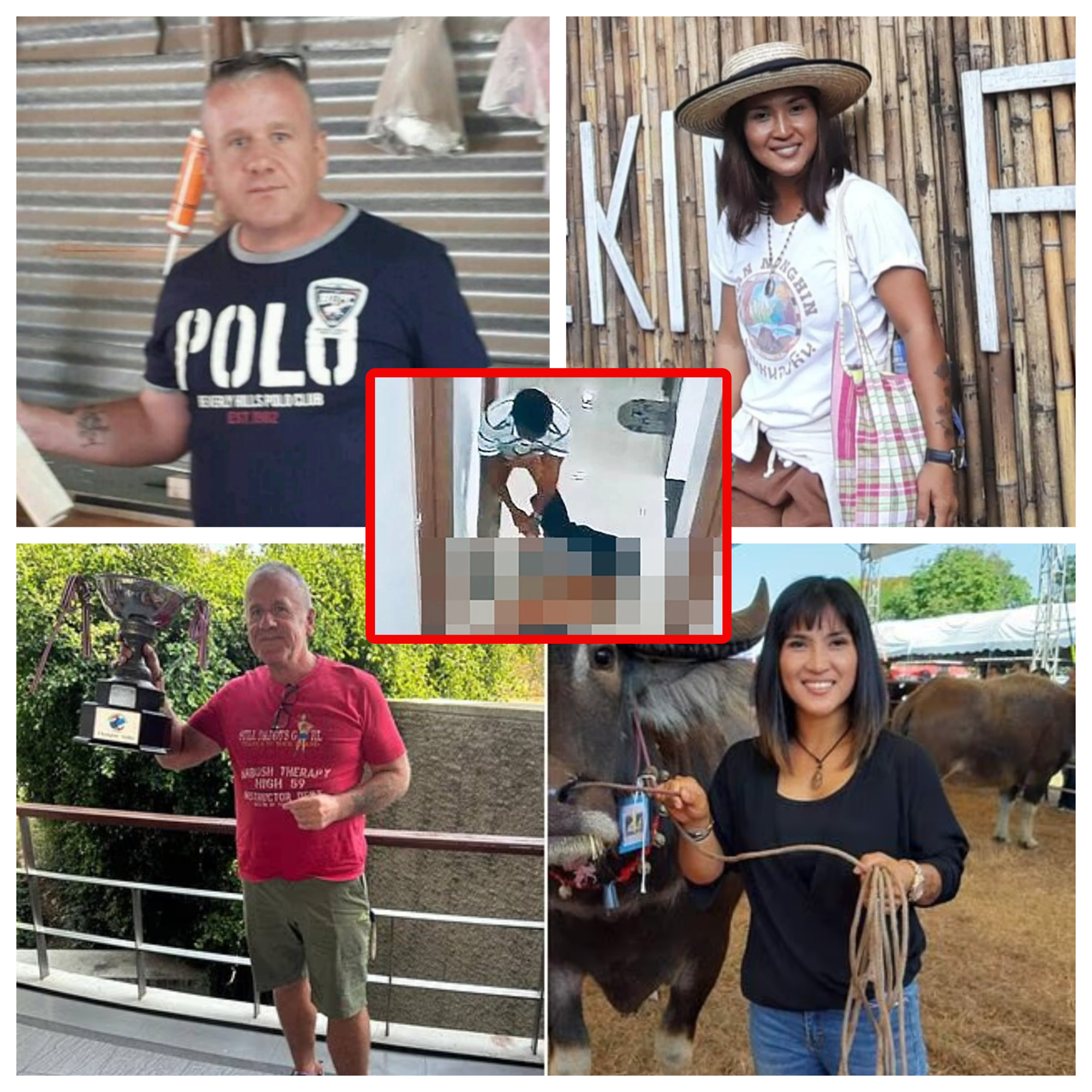
Thai police have launched a nationwide manhunt for a 56-year-old British national accused of fatally shooting his 43-year-old Thai wife at a resort hotel in Maha Sarakham province before fleeing the scene. The suspect, identified as Anthony James Condron from Witham, Essex, allegedly used a handgun to kill Pattanee Urapanom during what authorities describe as a domestic dispute that escalated into deadly violence. The incident, which occurred in late January 2026, has shocked the local community and drawn international attention to ongoing concerns about firearm-related domestic violence in tourist and expat-heavy areas of Thailand.
The shooting took place at a resort hotel where the couple had been staying, reportedly during a heated argument in their room. Witnesses heard gunshots around midnight, prompting hotel staff to alert authorities. When police arrived, they found Pattanee dead from multiple gunshot wounds. Condron was nowhere to be found. Officers recovered the handgun at the scene, believed to be legally registered to the suspect, who held a valid firearms permit as a foreign resident. Initial investigations suggest the weapon was legally owned, raising questions about how a licensed firearm ended up used in an alleged murder-suicide attempt or domestic homicide.
Pattanee Urapanom, a Thai national from the region, was described by relatives as a devoted mother and supportive partner who had been married to Condron for several years. The couple had met through mutual connections in Thailand’s expat community, where Condron had lived intermittently as a retiree and businessman. Friends say the marriage appeared stable from the outside, though recent tensions over finances, lifestyle differences, or personal matters may have contributed to the fatal confrontation. Pattanee’s family expressed profound grief, calling for swift justice and questioning how such violence could erupt in what was meant to be a peaceful getaway.
Thai police, led by the Maha Sarakham Provincial Police, immediately classified the case as murder and issued an arrest warrant for Condron. Authorities believe he fled the hotel on foot or by vehicle shortly after the shooting, possibly heading toward neighboring provinces or major transport hubs like Khon Kaen or Bangkok. Checkpoints were set up on major roads, and alerts were sent to airports, bus stations, and border crossings. Police described Condron as potentially armed and dangerous, urging the public not to approach him if sighted. Composite sketches and photos of the suspect were distributed widely, with a hotline established for tips.
The manhunt has expanded beyond Maha Sarakham. Officers searched Condron’s known residences in Thailand, including properties linked to his long-term stay in the country. Immigration records show he held a retirement visa and had no prior criminal history in Thailand, though background checks are ongoing with British authorities. The British Embassy in Bangkok issued a statement confirming awareness of the incident and offering consular assistance to the suspect’s family while cooperating fully with Thai law enforcement.
Domestic violence involving firearms remains a sensitive issue in Thailand, where gun ownership is tightly regulated but incidents among expats occasionally make headlines. The case echoes broader concerns about mental health support for foreigners living abroad, cultural clashes in mixed marriages, and access to lethal weapons in moments of crisis. Advocates have called for stronger intervention programs and better monitoring of licensed firearms in domestic settings.
As the search intensifies, investigators are piecing together the couple’s final hours. Hotel CCTV footage captured movements in the corridor leading to their room, while witness statements from staff and other guests describe hearing raised voices before the shots rang out. Forensic teams processed the scene for fingerprints, ballistics, and DNA evidence to confirm the sequence of events. Autopsy results confirmed Pattanee died from gunshot wounds to the torso, with no defensive injuries suggesting a prolonged struggle.
The absence of Condron has fueled speculation. Some believe he may have fled to a remote area familiar from past travels, while others fear he could attempt to leave the country using false documents or hidden routes. Police have appealed to the public for any sightings, emphasizing that even small details could help locate him. Rewards for information leading to his arrest have been discussed but not yet confirmed.
Pattanee’s family held a somber funeral in her hometown, attended by relatives and community members who mourned the loss of a woman known for her kindness and warmth. They expressed frustration at the slow pace of the manhunt in the early days and called on authorities to prioritize the case. Meanwhile, Condron’s relatives in the UK have remained silent publicly, though sources close to the family say they are devastated and cooperating with police inquiries.
The incident has prompted renewed discussions in Thailand’s expat forums about relationship pressures, cultural adaptation, and seeking help during conflicts. Support groups for mixed-nationality couples have highlighted resources for counseling and crisis intervention, hoping to prevent future tragedies.
As days pass without a breakthrough, the manhunt continues with increased urgency. Thai authorities remain confident that Condron will be apprehended, given the country’s extensive surveillance network and public cooperation in high-profile cases. For now, the question lingers: What drove a seemingly ordinary marriage to such a violent end, and how long can the suspect evade capture in a nation determined to bring him to justice?