Last Sighting at 1:15 AM: Dan Davis Wandered Bar Complex After Crash – Daughter’s Discovery Ends Mystery.
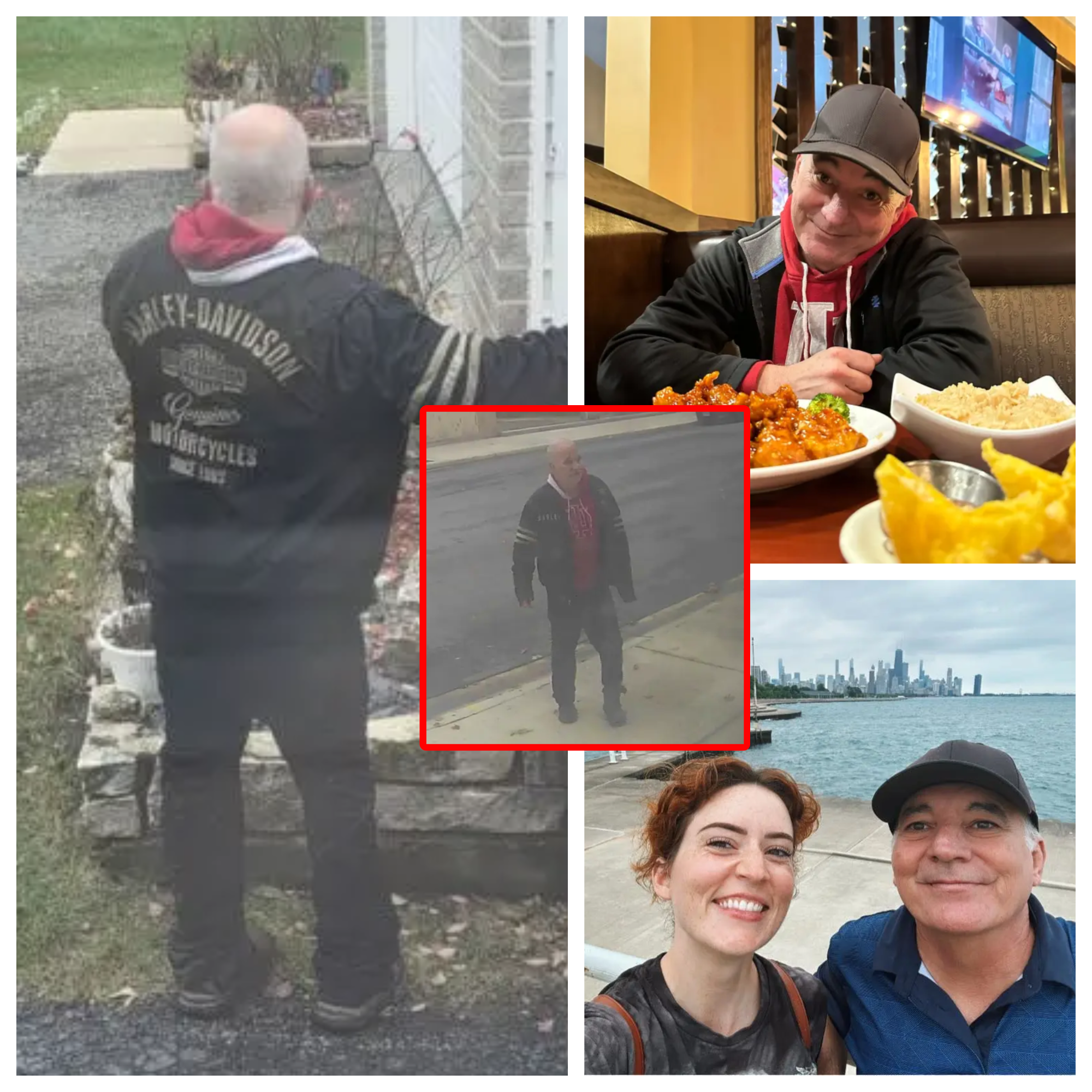
Dan Davis, a 52-year-old bartender and longtime employee at a popular entertainment complex in suburban Atlanta, was last seen alive staggering near the bar where he worked around 1:15 a.m. on November 25, 2024. Witnesses described him as disoriented, unsteady on his feet, and mumbling to himself as he wandered the parking lot and outdoor seating area of the venue. Several employees and late-night patrons later told police they offered to call him a ride or get him water, but he waved them off, insisting he was “fine” and just needed to “clear his head.”
Hours earlier, around 9:30 p.m. the previous evening, Davis had been involved in a single-vehicle accident on a nearby highway. Georgia State Patrol confirmed his pickup truck veered off the road and struck a guardrail. First responders at the scene noted visible head trauma, slurred speech, and signs of possible concussion or intoxication. Despite their insistence that he be transported to a hospital for evaluation, Davis repeatedly refused medical treatment, signing a refusal form and leaving the scene in his damaged vehicle. Troopers allowed him to depart after determining he was alert enough to make decisions, though they issued a verbal warning about driving.
Davis never made it home. His daughter, 28-year-old Emily Davis, reported him missing the next afternoon when he failed to answer calls or show up for a planned family lunch. She told investigators she had grown increasingly worried in recent months about her father’s heavy drinking, especially after his divorce two years earlier and mounting financial stress from medical bills related to a previous back injury. Emily said her father had been “spiraling” but refused to seek help, often brushing off concerns with phrases like “I’ve got it under control.”
On November 26, Emily drove to the entertainment complex where her father had worked for over a decade, hoping to find clues. She spoke with the manager, who confirmed Dan had been scheduled for a shift that night but never arrived. While walking the parking lot behind the bar, Emily noticed a familiar jacket draped over a dumpster. She approached—and discovered her father’s body partially concealed behind the bin.
Authorities were called at approximately 2:45 p.m. The medical examiner’s preliminary report listed cause of death as blunt-force trauma to the head combined with hypothermia exposure. Investigators believe Davis likely wandered away from the bar after his last sighting, became disoriented due to the earlier head injury and alcohol consumption, and succumbed to the elements in the early morning hours when temperatures dropped into the low 40s. No evidence of foul play has been found; toxicology results showed a blood-alcohol level of 0.18—more than twice the legal limit—along with prescription pain medication in his system.
The complex’s security cameras captured grainy footage of a man matching Davis’s description walking unsteadily near the outdoor patio at 1:12 a.m., then disappearing from view around 1:18 a.m. No further sightings were recorded. Employees who spoke with him that night described him as “out of it” and “talking to himself,” but none realized the severity of his condition. One bartender said he offered to call a cab, but Davis replied, “Nah, I’m good, just need air.”
Emily Davis has since spoken publicly for the first time since finding her father’s body. In a tearful interview with local news station WSB-TV, she described the moment of discovery: “I saw his jacket first… then I saw his shoes sticking out. I screamed for help, but I already knew. I just held him and cried until the police came.” She urged anyone struggling with alcohol or untreated injuries to seek help immediately. “My dad was a good man who loved his job and his family. He just couldn’t admit he needed help. Don’t wait until it’s too late.”
The entertainment complex has faced criticism for not intervening more forcefully when Davis appeared visibly impaired. The venue’s manager stated they followed standard protocol—offering assistance but respecting the patron’s decision to leave—and noted that security escorted him off the property only after he became verbally agitated. The Georgia Department of Public Health and local alcohol licensing board have launched reviews into the establishment’s handling of visibly intoxicated patrons.
A GoFundMe started by Emily to cover funeral expenses and support mental health initiatives in her father’s memory has raised more than $45,000 in less than a week. Colleagues from the bar have organized a memorial night, with proceeds from drink sales going to local addiction recovery programs. Friends remember Dan as a charismatic, hardworking bartender who always had a joke ready and remembered every regular’s name and drink order.
The case has reignited discussions about the dangers of untreated head injuries, the risks of driving under the influence even after a minor crash, and the responsibility of businesses to intervene when patrons show clear signs of impairment. Georgia State Patrol has reiterated that individuals who refuse medical treatment after a crash assume full responsibility for their subsequent actions, but advocates for addiction recovery argue that more compassionate protocols—such as mandatory holds for evaluation in obvious cases—could prevent similar tragedies.
For Emily Davis, the pain is still raw. “He was just trying to get through the night,” she said. “He didn’t want to be a burden. But he ended up leaving us forever.” As the investigation officially closes as an accidental death exacerbated by alcohol and untreated injury, the family hopes Dan’s story will serve as a wake-up call: sometimes the most dangerous refusal isn’t saying no to help—it’s believing you don’t need it.