FBI Director Kash Patel’s aggressive public release of recovered surveillance footage from Nancy Guthrie’s Tucson home has ignited fierce debate over investigative transparency, with critics accusing him of “inappropriate” conduct while supporters hail it as a necessary push in a high-stakes abduction case. At the center lies one seemingly minor detail that has gone largely unnoticed: the existence of residual backend data on the Nest camera system, which Patel explicitly credited for unlocking images authorities previously said were unavailable.
The timeline began unraveling on February 1, 2026, when 84-year-old Nancy Guthrie failed to join a virtual church service, prompting family concern. She had been dropped off at her Catalina Foothills residence around 9:45 p.m. the previous evening after dinner with relatives. By midday, her absence triggered alarm. Investigators arrived to find blood on the porch (DNA-confirmed as hers), her Apple Watch and phone left behind, and her pacemaker signal dropping around 2:30 a.m. The doorbell camera had been tampered with and disabled around 1:47 a.m., with a secondary motion detection at 2:12 a.m. Initial statements from Pima County Sheriff’s Department suggested no recoverable video due to no active subscription, implying footage was overwritten or inaccessible.
Patel changed the narrative on February 10. Posting directly on X, he shared black-and-white stills and video clips recovered “from residual data located in backend systems” through partnerships with private sector entities. The footage shows a masked individual — now described as male, 5’9″–5’10”, average build — wearing a black 25-liter Ozark Trail Hiker Pack backpack with reflective straps, gloves, long sleeves, pants, sneakers, and a holstered handgun awkwardly positioned at the front waistband. He uses foliage and a gloved hand to obscure the lens, actions Patel labeled as tampering by an “armed individual.”
The release prompted over 18,000 tips in days, a $100,000 reward escalation, and intensified searches across desert terrain. Yet it also drew sharp criticism. Former FBI counterterrorism executive Christopher O’Leary, on MSNBC’s “All In with Chris Hayes,” called Patel’s public comments and social media strategy “incredibly inappropriate,” arguing directors should avoid media spectacles that risk compromising operations or prejudicing potential juries. O’Leary highlighted Patel’s Fox News appearance claiming “substantial progress” and “persons of interest” — statements followed hours later by the release of a Rio Rico detainee after no connections emerged.
The overlooked detail fueling “lying” accusations centers on the backend data itself. Nest (Google-owned) cameras store event clips in the cloud for subscribers, but even without active plans, some residual metadata or partial buffers can persist in backend servers for limited periods due to system architecture. Patel’s reference to “lost, corrupted, or inaccessible” footage — recovered via tech partnerships — directly contradicts earlier local assertions of no video. Critics speculate this gap suggests either miscommunication, deliberate downplaying to manage expectations, or possible early mishandling that delayed public appeals. Supporters counter that Patel’s transparency forced the breakthrough, bypassing bureaucratic silos and crowdsourcing identification through backpack brand (Ozark Trail, widely sold at Walmart), gait, holster oddity, and clothing.
The controversy intensified amid ongoing leads. Gloves matching the suspect’s were found near the home and submitted for DNA; a Ring video five miles away captured a hooded man with two backpacks (one reflective) at 1:52 a.m., aligning suspiciously with the timeline. Ransom notes demanding Bitcoin surfaced, one potentially authentic due to private details, while fakes led to fraud arrests. No verified proof-of-life or follow-up has emerged, heightening fears for Nancy’s health — daily heart medications, pacemaker, high blood pressure, mobility issues.
Family pleas remain raw. Savannah Guthrie, on leave from “Today,” shares childhood videos and montages of Nancy with grandchildren, captions insisting “We will never give up on her” and “We believe she’s still alive.” Husband Michael Feldman reposts suspect images: “Someone out there may recognize this person. Please help us. Bring her home.” Siblings Annie and Camron urge direct contact from abductor(s), offering negotiation without judgment.
Patel’s approach — frequent X posts, Fox interviews, command post visits — breaks from traditional FBI restraint, drawing parallels to his pre-director advocacy style. Defenders argue it galvanizes public help in a case gripping the nation; detractors fear it politicizes or sensationalizes a life-or-death matter. The backend detail, however, stands as the flashpoint: if data was recoverable all along, why the initial “no video” claim? It raises questions about coordination between local and federal agencies, potential early errors, or strategic withholding.
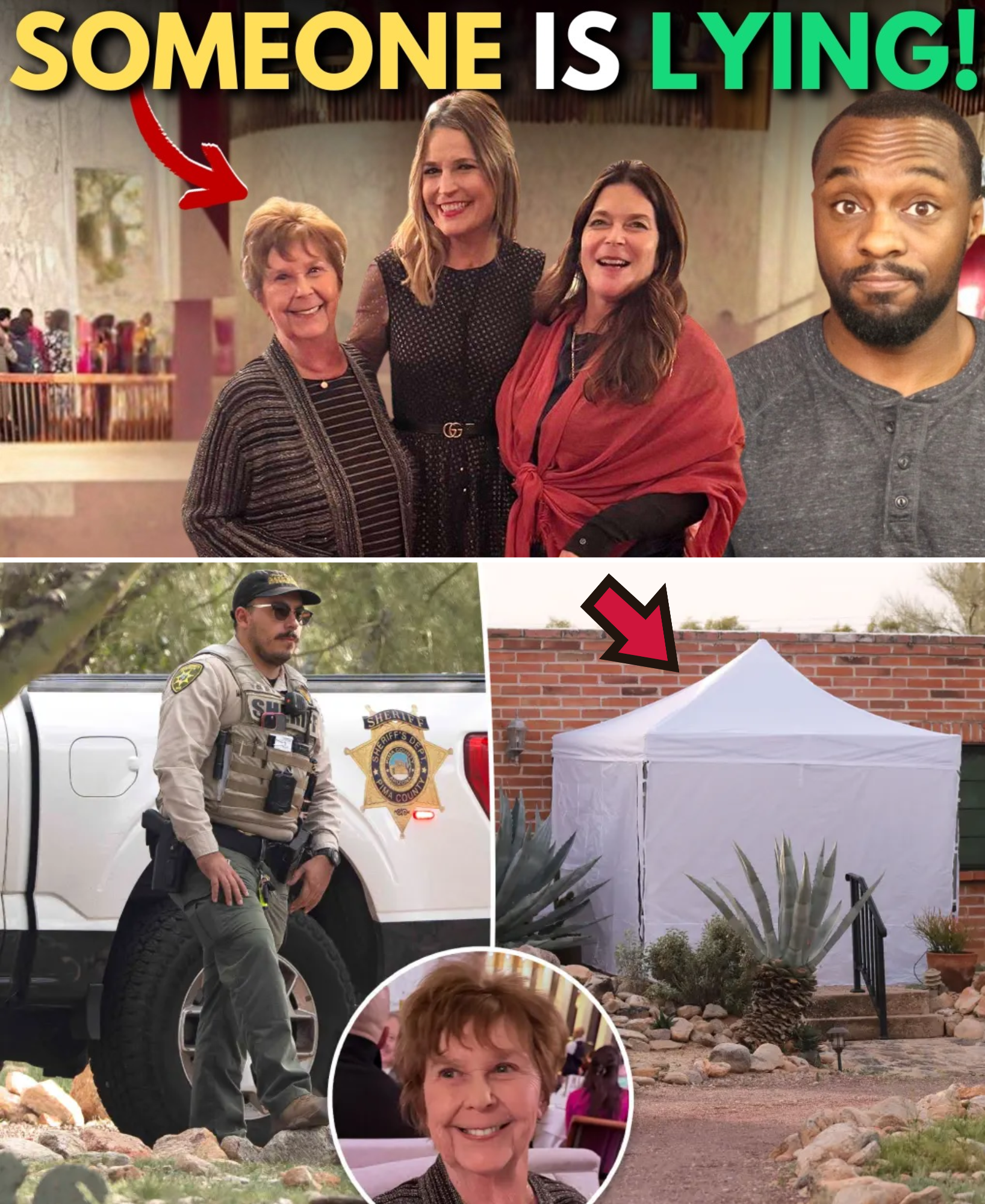
As Day 13+ unfolds, searches persist with white tents at the home, agents canvassing neighborhoods for pre-abduction footage (even from January 11–31), and tip lines overwhelmed. Whether Patel’s boldness proves heroic or reckless may depend on outcomes. For now, the overlooked backend revelation has shifted scrutiny from the masked figure to those handling the investigation — proving that in high-profile cases, transparency can cut both ways, exposing truths… or lies.