Judge Clears Path for Camp Mystic Reopening: Grieving Parents Fear Repeat Tragedy After 25 Girls’ Deaths.
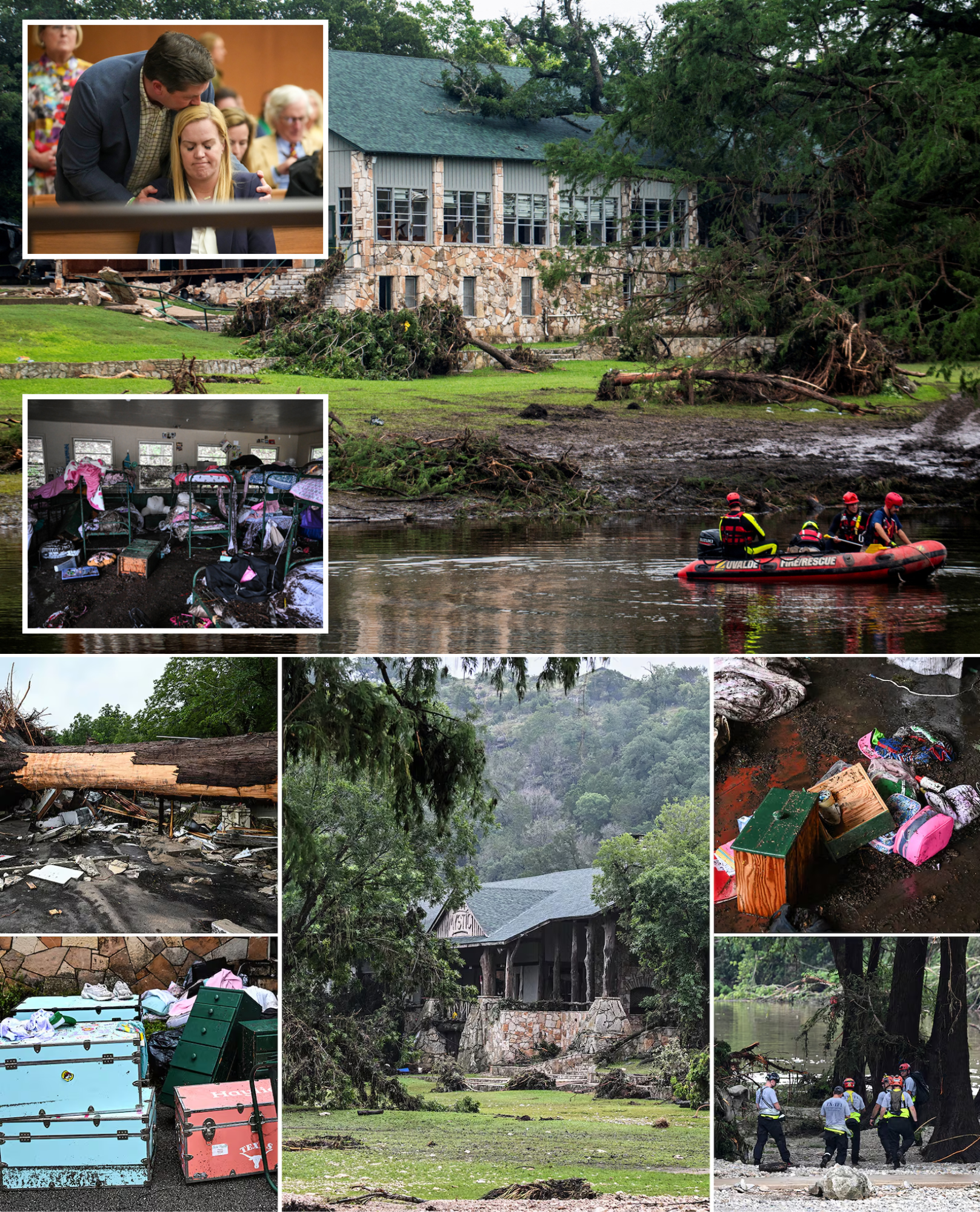
A Texas judge has declined to block the partial reopening of Camp Mystic, the historic all-girls Christian summer camp devastated by catastrophic flooding on July 4, 2025. The decision comes amid ongoing lawsuits and fierce opposition from families who lost daughters in the disaster that claimed 27 lives—25 young campers and two counselors—along with the camp’s longtime director.
The Guadalupe River surged dramatically that Independence Day weekend, rising over 26 feet in under an hour due to intense thunderstorms. Low-lying riverside cabins, housing the youngest girls, were swiftly inundated. Water swept away structures, trapping occupants in what survivors and first responders described as chaotic horror. Emergency calls captured desperate pleas as counselors and staff attempted rescues, but many were overwhelmed. The camp, a century-old institution in Kerr County’s scenic Hill Country, had long been a cherished tradition for generations of Texas families, known for its faith-based programs and lifelong bonds.
In the aftermath, 27 victims became known as “Heaven’s 27.” Bodies were recovered over days and weeks, with one child, 8-year-old Cile Steward, remaining missing for months, her presumed death adding prolonged agony for her parents. The tragedy extended beyond the camp, killing over 135 across the region, but Camp Mystic’s losses struck deepest due to the vulnerability of the children involved.
Multiple wrongful death lawsuits followed swiftly. Families alleged gross negligence, claiming camp operators ignored flood risks, failed to implement proper evacuation protocols, and placed profit over safety. Some suits pointed to the absence of a required evacuation plan for riverside cabins, delayed responses, and the decision to house young campers in flood-prone areas despite known hazards. One filing described the disaster as “entirely preventable,” accusing officials of inadequate preparedness despite weather warnings.
Camp Mystic’s owners, including family members of the late director Dick Eastland—who perished attempting to save campers—have maintained the event was an unprecedented “act of God.” They argued the flood exceeded historical records and any reasonable predictions. In response to criticism, the camp announced enhanced safety measures exceeding new state guidelines, including relocating bunking to higher ground, upgraded emergency communication systems, flood monitoring technology, and revised evacuation protocols. Partial reopening was planned for summer 2026, with enrollment resuming and operations limited initially to safer areas.
The judge’s recent ruling, following hearings where families presented evidence urging closure pending full investigations and litigation, allowed the camp to proceed without halting construction or operations. The decision barred further building in heavily impacted zones but did not impose a full shutdown. This outcome has deepened divisions among alumni, survivors, and bereaved families. Some parents whose daughters survived view reopening as a path to healing and reclaiming positive memories of the camp’s “magic.” Others see it as insensitive and risky, arguing unresolved questions about accountability make it unsafe.
Grieving parents have channeled pain into advocacy. Several testified before Texas lawmakers, pushing for stricter campground safety laws, including mandatory flood evacuation plans and better enforcement by state agencies. One father, whose counselor daughter died heroically trying to save campers, demanded systemic changes to prevent future losses. Families of victims like Chloe Childress and Katherine Ferruzzo have spoken publicly, honoring their loved ones’ bravery while calling for reforms. Efforts led to legislative proposals strengthening oversight, though full implementation remains ongoing.
The camp’s future hangs in a delicate balance. Proponents highlight its 100-year legacy of positive impact on thousands of girls, fostering faith, friendship, and growth. Critics, including some suing parties, worry reopening prioritizes business over remembrance and safety. Ongoing litigation could reveal more through discovery, including 911 records showing response delays and internal communications. Some families seek to preserve the site as evidence, fearing alterations could hinder justice.
As summer 2026 approaches, Camp Mystic prepares amid national scrutiny. The tragedy exposed vulnerabilities in youth camping, particularly in flood-prone regions, prompting broader discussions on emergency planning, risk assessment, and parental trust. For those who lost children, no ruling can restore what was taken. Their grief persists, intertwined with a fierce determination to ensure no other family endures the same unimaginable pain.
The judge’s decision allows the camp to move forward, but the scars of July 4, 2025, endure. Healing remains elusive for many, as questions of prevention, responsibility, and renewal linger over the banks of the Guadalupe.