“It’s Okay to Be Alone” – Jada West’s Mother’s Words That Now Haunt Douglas County.
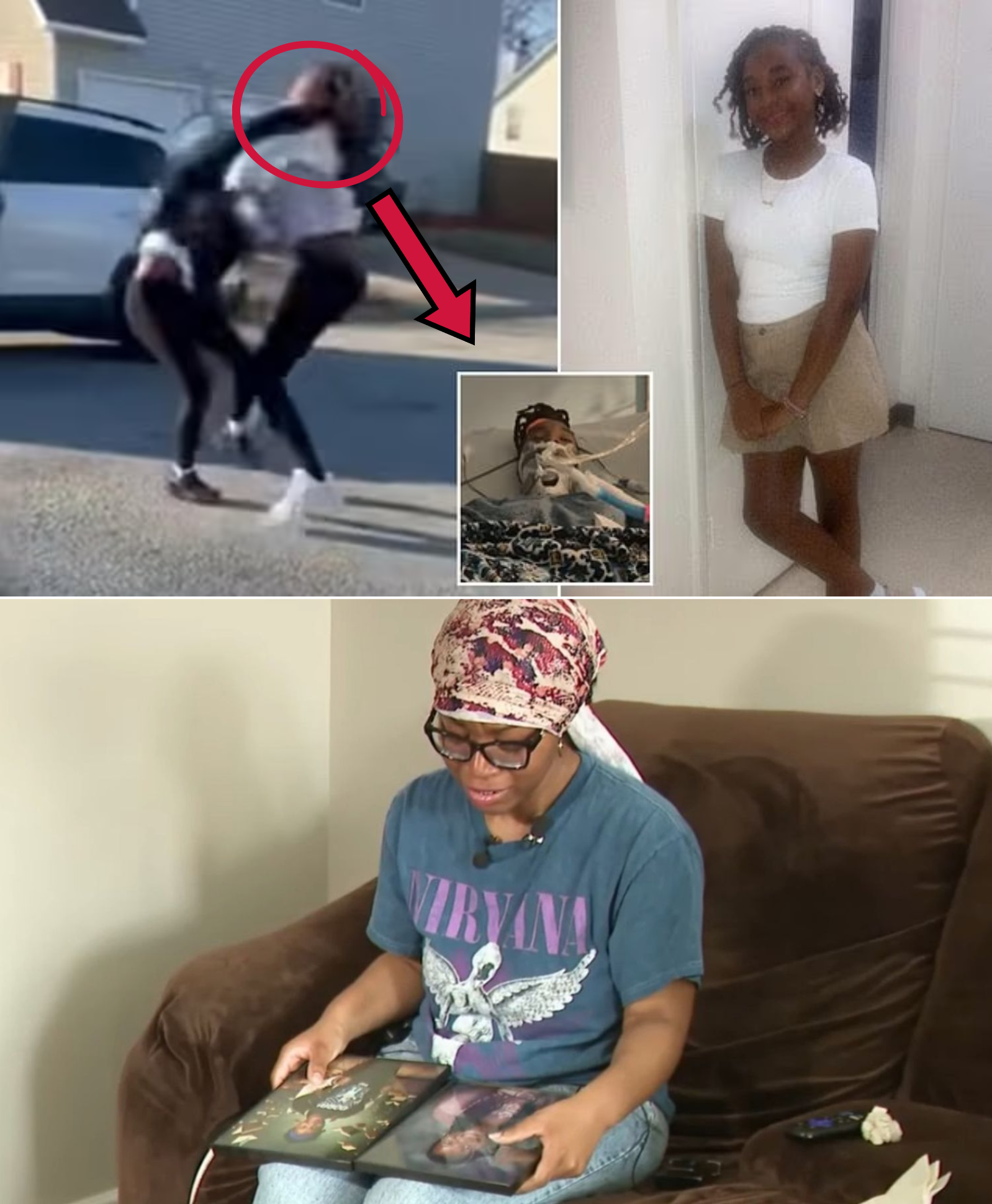
The final days of 12-year-old Jada West have left an entire community searching for answers and grappling with guilt. New statements from her family reveal the depth of her loneliness and the repeated, unanswered cries for help that preceded her tragic death on March 8, 2026. According to her mother, Jada had confided in her multiple times about feeling friendless at Mason Creek Middle School, where she had transferred in January. In one especially poignant conversation, Jada looked at her mother and said plainly, “I just want friends.” Trying to offer comfort in a moment of vulnerability, her mother replied, “I understand it’s okay not to have friends. It’s okay to be by ourselves.”
Those words, spoken with love and intended to build resilience, now carry an unbearable weight. What Jada’s mother didn’t fully realize at the time—and what no parent should ever have to learn—was that her daughter’s isolation was not a natural part of growing up. It was deliberate, sustained bullying that had made Jada feel unwanted and unworthy from almost the moment she walked into her new school.
Jada’s father took the matter directly to the administration. Relatives say he visited Mason Creek Middle School on two separate occasions specifically to report the bullying and demand action. He described the name-calling, the exclusion from groups, the whispers and stares that followed Jada through the hallways. He asked for meetings, for monitoring, for any intervention that might shield his daughter from further harm. According to the family, those meetings produced no real change—no documented investigations, no disciplinary consequences for the students involved, no increased supervision on the bus where much of the harassment reportedly occurred, and no follow-up contact to confirm the problem had been addressed.
The Douglas County School System has not publicly commented on the specific allegations of ignored complaints, citing the ongoing police investigation and student privacy laws. In official statements, district officials emphasized that the fatal altercation occurred off school property and after school hours on March 5, 2026, placing jurisdiction primarily with Villa Rica Police. Yet for Jada’s family and many in the community, the school’s inaction in the preceding weeks feels inseparable from the tragedy that followed.
That Wednesday afternoon, a verbal dispute that began on the school bus between Jada and another female student boiled over into a physical fight at a nearby intersection. Multiple videos show the two girls arguing heatedly before trading blows on the pavement. Jada was knocked down hard, striking her head. She got back up and tried to walk away, but within minutes she collapsed. Paramedics rushed her to a local hospital, where scans revealed catastrophic brain trauma. She was airlifted to Children’s Healthcare of Atlanta at Scottish Rite, where she remained in critical condition until her death three days later.
Medical experts have explained that the type of injury Jada suffered—likely involving impact trauma followed by rapid cerebral edema or subdural hemorrhage—can present deceptively mild symptoms at first. Adolescents may appear lucid and mobile immediately after a head strike, only for swelling or bleeding to worsen dramatically in the following hours. This medical reality has deepened the family’s anguish: Jada walked away from the fight, giving everyone false hope that she would be okay.
The emotional fallout has been immense. A massive vigil outside Mason Creek Middle School drew hundreds—students in blue hoodies (Jada’s favorite color), parents holding candles, teachers wiping tears as they read messages from classmates. A GoFundMe created by the family to cover medical bills, funeral expenses, and support for Jada’s siblings has raised well over $200,000, with thousands of donors leaving comments like “She deserved friends” and “We should have protected her.” Anti-bullying organizations have mobilized, using Jada’s story to advocate for mandatory bus cameras, real-time monitoring software, anonymous tip lines that students actually use, and automatic parent conferences whenever repeated harassment is reported.
Villa Rica Police continue to analyze multiple videos, including footage of the fight and earlier clips showing Jada’s last moments of laughter outside school. The Douglas County District Attorney’s Office is reviewing whether charges will be filed against the other student, who is also a minor. Possible offenses range from battery to involuntary manslaughter, depending on evidence of intent, foreseeability of serious injury, and any documented prior threats or bullying reports that could establish a pattern.
Georgia law requires schools to investigate bullying allegations promptly and develop prevention plans, yet advocates argue enforcement remains inconsistent. Jada’s case has reignited calls for stronger legislation—mandatory training for all school staff on recognizing and responding to bullying, consequences for administrators who fail to act on credible reports, and integration of mental health check-ins for students who report persistent exclusion or harassment.
Jada’s mother has been unflinchingly open on social media, sharing hospital photos, memories of her daughter’s infectious laugh, and the raw grief of losing a child who only wanted to be accepted. “She was just trying to fit in,” she wrote. “She didn’t deserve this pain.” The father, who twice stood in school offices begging for help, has spoken less publicly but is said to be shattered by the realization that his efforts were not enough to save his little girl.
Across Douglas County, the words “I just want friends” and “It’s okay to be by ourselves” have become a painful refrain. They capture the innocence of a child desperate for connection—and the well-meaning but ultimately inadequate response of an adult who could not see how cruelly that connection was being denied. Jada West did not die simply from a fall during a fight. She died, her family believes, from the cumulative weight of being made to feel invisible, unwanted, and alone in a place where she should have been safe.
As vigils continue and investigations deepen, the question lingers: How many more children will whisper “I just want friends” before schools, parents, and communities finally hear them—and act before it’s too late?