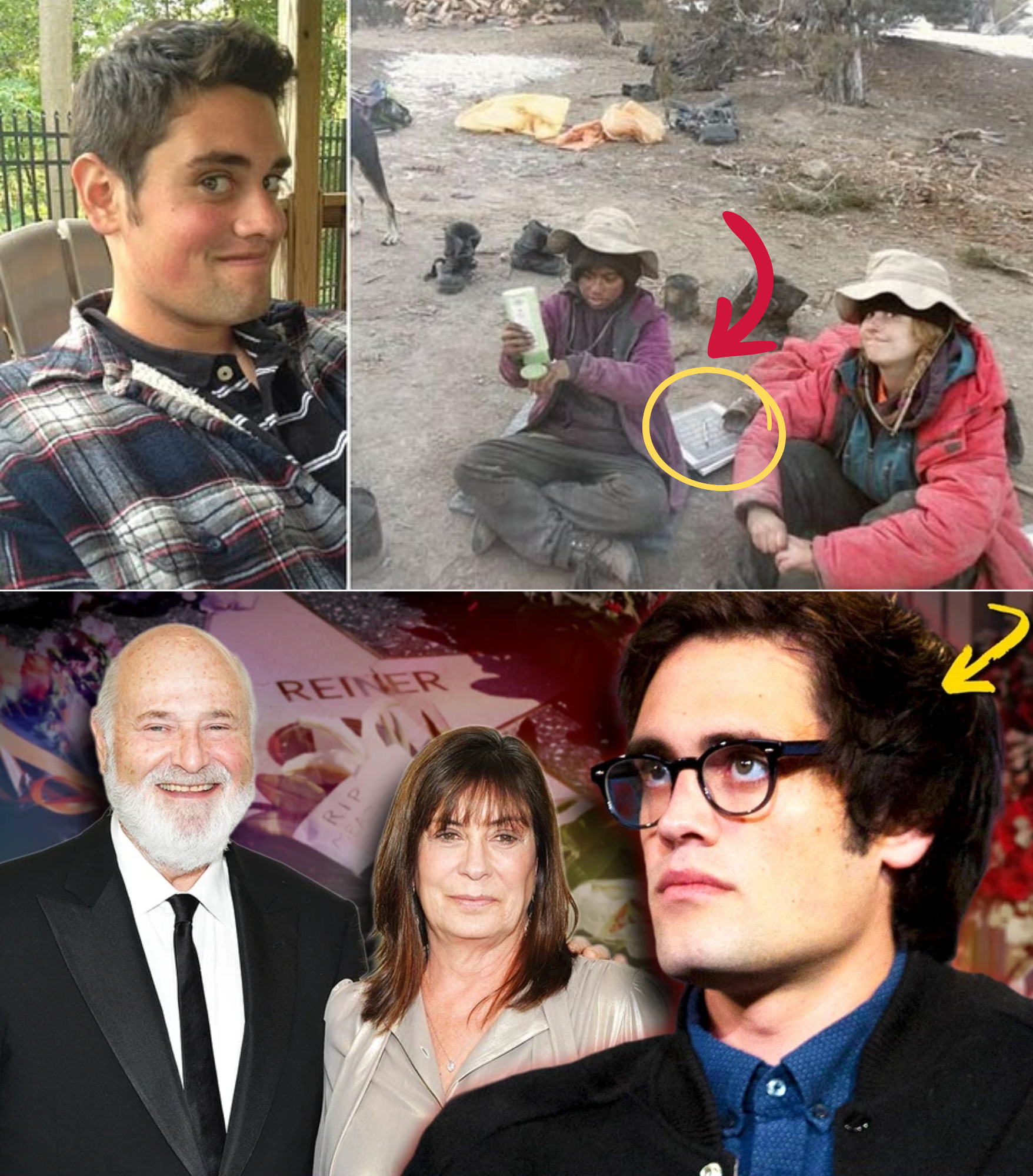
Former patients of the controversial Second Nature wilderness therapy program in Utah have come forward with disturbing accounts of harsh conditions and emotional trauma, years after Hollywood director Rob Reiner and his wife Michele sent their teenage son Nick there in a desperate bid to curb his early drug issues—a decision that tragically backfired when Nick later credited the camp with introducing him to heroin.
At age 16, Nick Reiner—now 32 and accused of murdering his parents in their Brentwood home on December 14, 2025—was enrolled in Second Nature, a nomadic backpacking program marketed for “troubled teens.” Founded in 1998, it involves weeks of hiking in remote areas with minimal comforts, aimed at building resilience through nature and therapy. Rob and Michele, fearing upscale LA rehabs weren’t working, opted for this intense approach amid Nick’s refusal to attend school and initial substance experimentation.
Nick himself reflected on the experience in a 2016 podcast, revealing he met a “hardcore Venice kid” at the camp who raved about heroin daily during their 126-day stay. Years later, at 18, Nick contacted that same individual, who introduced him to shooting up on Skid Row—the “seed” of his severe opioid addiction, as he described it. This fueled a cycle of over 18 rehab stints, homelessness, and relapses involving heroin, cocaine, and meth.
Two former attendees from Nick’s era spoke out, painting a grim picture. One described feeling “kidnapped” upon arrival, transported by escorts in the night, enduring freezing conditions, limited food, and strict rules that felt punitive rather than therapeutic. Another called the operators “greedy and corrupt,” alleging a lack of genuine care amid high costs. Wilderness programs like Second Nature have faced broader scrutiny for isolation tactics, physical demands, and occasional abuse reports across the industry, though specific incidents vary.
The Reiners’ efforts extended to co-creating the 2015 film Being Charlie, a semi-autobiographical story of a teen’s rehab struggles, which Rob directed and Nick co-wrote during a sober period. It highlighted parental desperation and treatment flaws, with Rob later regretting overriding Nick’s input in favor of experts.
Nick’s addiction intertwined with mental health challenges, including a schizophrenia diagnosis treated with medication before the alleged killings. The tragedy has sparked debate on “troubled teen” industry effectiveness, where immersion in nature aims to reset behaviors but can expose vulnerable youth to harder influences.
As investigations continue into the double murder, these revelations add heartbreaking layers to a family’s long battle—turning a hoped-for lifeline into an unintended gateway to deeper despair.